
Effective Strategies for Reducing and Eliminating Belly Fat
Discover proven methods to reduce and eliminate belly fat through dietary adjustments, targeted exercises, and lifestyle modifications. Learn how fiber, low-carb diets, protein intake, and consistent physical activity work together to help you achieve a toned, healthy abdomen. Start your journey towards a flatter stomach with practical tips supported by scientific research, all aimed at enhancing your health and confidence.
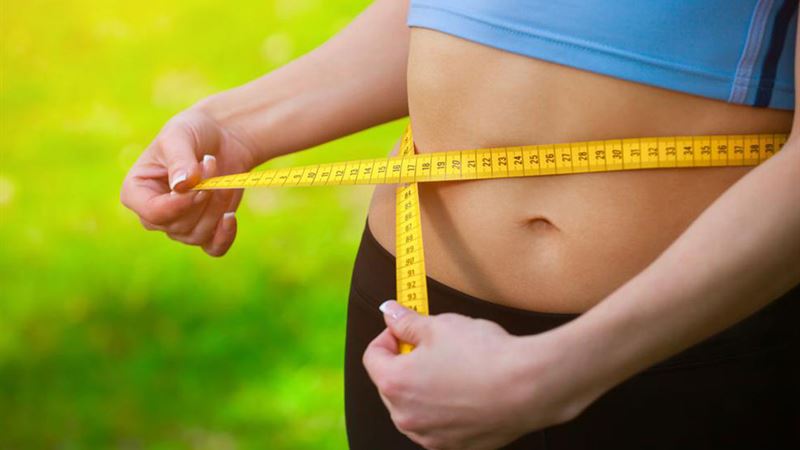
Achieving a toned and flat abdomen is a common goal for many individuals aiming to improve their overall health and appearance. A protruding belly not only affects your confidence but is also associated with various health risks such as cardiovascular disease, insulin resistance, and metabolic syndrome. While spot reduction is a myth, a combination of dietary modifications, proper exercise, and lifestyle adjustments can significantly diminish abdominal fat and promote a healthier body composition.
Understanding your current waist measurement is the first essential step. To do this, stand up straight, wrap a flexible measuring tape around your waist at the level of your navel, ensuring that the tape is snug but not tight, and take the measurement. For women, a waist circumference of less than 35 inches is generally considered healthy, whereas for men, less than 40 inches is recommended. These measurements can help you gauge your risk factors and set realistic goals for fat reduction.
In this comprehensive guide, we will explore proven strategies and practical tips to shed stubborn belly fat effectively. From dietary changes to exercise routines and lifestyle tips, learn how to target abdominal fat and achieve a flatter, healthier stomach.
Implementing a Fiber-Rich Diet for Fat Loss
Dietary fiber plays a vital role in weight management, especially in reducing visceral fat that accumulates around internal organs. Soluble fiber, found in foods like oats, fruits, and vegetables, binds water in the digestive tract, forming a gel-like substance that slows digestion and promotes satiety. This helps control hunger and reduces calorie intake over time.
Research indicates that increasing your intake of fiber-rich foods can improve overall metabolic health, support gut health, and promote weight loss. Incorporating a variety of fiber sources into your diet can help you feel full longer, reduce unnecessary snacking, and contribute to fat burning efforts.
High-fiber foods include vegetables such as broccoli, Brussels sprouts, and carrots, as well as fruits like berries, apples, and oranges. Legumes like lentils, chickpeas, and black beans are excellent fiber sources, alongside seeds such as flaxseeds and chia seeds. For those who need an extra boost, fiber supplements like glucomannan can be used to support digestion and promote a feeling of fullness.
Adding whole grains such as oats, brown rice, and quinoa also contributes fiber to your diet and enhances metabolic health. Remember, a fiber-rich diet not only aids in burning belly fat but also ensures better nutrient absorption and digestive efficiency.
Reducing Carbohydrates for Targeted Fat Loss
Lowering carbohydrate intake is a widely recommended approach to reducing abdominal fat efficiently. A low-carbohydrate diet shifts the body's primary energy source from carbs to fat, encouraging the breakdown of stored fat for energy. This approach is particularly effective for eliminating visceral fat, which is closely linked to metabolic diseases.
Opt for lean, protein-rich sources such as fish, skinless poultry, and plant-based proteins. Fish like salmon, mackerel, and sardines are rich in omega-3 fatty acids, which have been shown to aid fat metabolism.
- Limit or eliminate refined grains like white bread, white rice, and sugary cereals.
- Limit starchy vegetables such as potatoes, corn, and peas.
- Avoid foods with high sugar content, including candies, sodas, and baked goods.
Scientific studies demonstrate that individuals on low-carb diets tend to lose 2 to 3 times more weight compared to those on low-fat diets. Initial rapid water weight loss can be encouraging, but the real benefit is the sustained reduction in visceral fat. This change can lead to improved metabolic health markers and a more toned abdomen.
Calorie Control for Effective Weight Management
Monitoring and managing your daily caloric intake is crucial for achieving and maintaining weight loss. Regardless of the diet plan you follow, consuming more calories than your body uses will result in weight gain, particularly around your abdomen.
Tracking your food intake using apps or a food journal can help you develop awareness of your calorie consumption. Focus on creating a caloric deficit by eating slightly less than your daily expenditure while ensuring you consume nutritious, filling foods to prevent hunger and nutrient deficiencies.
Prioritizing Protein for Fat Burning
Protein is a key macronutrient essential for weight management, especially in reducing belly fat. A high-protein diet helps boost metabolism, increase satiety, and preserve lean muscle mass, all of which are vital for effective fat burning.
Studies reveal that maintaining an adequate intake of quality protein can increase metabolic rate by up to 30%, reduce hunger by 60%, and aid in decreasing average daily calorie intake by approximately 400 calories. Common sources include lean meats, fish, eggs, dairy products, legumes, and plant-based proteins like tofu and tempeh.
Additionally, cooking with healthy fats like coconut oil can support fat reduction. Coconut oil contains medium-chain triglycerides (MCTs), which are quickly metabolized and can enhance energy expenditure. Incorporating just two tablespoons of coconut oil into your daily cooking can contribute to belly fat loss.
Limit Alcohol Consumption
Alcoholic beverages are calorie-dense, often providing 'empty calories' with little nutritional value. Besides adding extra calories to your diet, alcohol impairs your body's ability to burn fat, especially around the midsection.
Alcohol is converted into acetate in the liver, which becomes the primary fuel source, temporarily halting fat metabolism. Moreover, alcohol consumption is linked to increased appetite, lower inhibitions, and poor dietary choices, all of which can contribute to weight gain.
To optimize fat loss, it is recommended to limit alcohol intake to occasional occasions or a few times per week, and to choose spirits or drinks with low-calorie mixers when you indulge.
Engaging in Physical Activity and Exercise
Physical activity is indispensable for reducing abdominal fat. Aerobic exercises such as brisk walking, jogging, cycling, swimming, and dancing elevate your heart rate and burn calories effectively.
However, focusing solely on cardio is insufficient for comprehensive fat loss. Strength training, or resistance exercises, are essential for building lean muscle mass, which increases resting metabolic rate—meaning you burn more calories even while at rest.
Incorporate a combination of cardiovascular workouts and weightlifting routines for optimal results. A typical plan could involve 150 minutes of moderate-intensity cardio per week, combined with two to three strength training sessions focusing on major muscle groups.
Beyond traditional workouts, consider adding activities such as yoga or Pilates to improve flexibility, reduce stress, and support muscle toning.
Additional Tips to Speed Up Fat Loss
- Consume green tea regularly; its antioxidant epigallocatechin gallate (EGCG) can enhance metabolism and promote fat oxidation.
- Include probiotic-rich foods like yogurt, kefir, and sauerkraut to improve gut flora, which is linked to weight regulation.
- Add apple cider vinegar to your diet; its acetic acid content may help amplify fat breakdown and suppress appetite.
- Manage stress through mindfulness, meditation, or hobbies, as high stress levels can elevate cortisol and promote abdominal fat accumulation.
- Aim for adequate sleep, typically 7-9 hours per night, since sleep deprivation is associated with increased hunger and weight gain.
Remember, consistency and patience are key. Sustainable lifestyle changes will yield lasting results, helping you achieve a flatter stomach and better overall health.