
Effective Strategies for Maintaining Optimal Gallbladder Function and Health
Learn comprehensive strategies to maintain gallbladder health through diet, hydration, natural remedies, and lifestyle practices. Prevent gallstones and digestive issues with expert tips for optimal organ function and overall wellbeing.
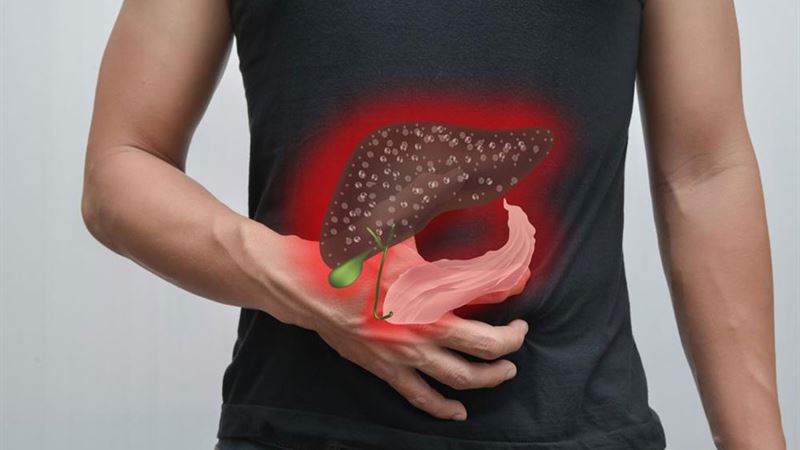
The gallbladder is a vital organ playing a crucial role in the body's digestive system. While often underestimated, maintaining its health is essential for overall wellbeing. Proper digestion relies heavily on the gallbladder’s ability to store and release bile, which facilitates the breakdown of fats and fat-soluble vitamins. When this organ functions optimally, it enhances nutrient absorption and prevents numerous digestive ailments. Conversely, neglecting gallbladder health can lead to complications such as gallstones, inflammation, and compromised digestion, which can significantly affect quality of life.
Understanding the significance of the gallbladder begins with grasping its function within the digestive process. The gallbladder stores bile produced by the liver, releasing it into the small intestine in response to food intake, especially fatty foods. Bile helps emulsify fats, making them easier for enzymes to break down. When the gallbladder is removed, the body compensates by allowing the liver to deliver bile directly into the intestine, often leading to less efficient digestion and other gastrointestinal issues.
To ensure your gallbladder stays healthy, adopting specific dietary habits is critical. Incorporating fresh, leafy vegetables and herbs in your diet acts as a natural cleanser for the liver and gallbladder. Leafy greens such as spinach, kale, and collard greens are high in fiber and antioxidants, which help reduce inflammation and prevent stones from forming. Herbs like mint, parsley, chives, basil, cilantro, and green onions contain compounds that promote detoxification and support liver function. These natural remedies help clear toxins from your body, reducing the risk of blockages and gallstone development.
Hydration is another cornerstone of organ health, including the gallbladder. Consuming adequate amounts of water aids in the dilution of bile, preventing it from becoming overly concentrated with cholesterol and other substances that can lead to stone formation. Aim to drink at least 8-10 glasses of water daily, especially during hot weather or after physical activity. Better hydration ensures the bile remains fluid and prevents stagnation, which is often linked to gallstone formation.
In addition to hydration, natural juices from nutrient-rich vegetables and fruits can bolster gallbladder health. Juices made from cabbage, carrots, ginger, mint, parsley, radishes, and apples provide detoxifying compounds and antioxidants that reduce inflammation and support bile flow. Including these juices regularly in your diet can enhance digestion, reduce the risk of gallstones, and promote a healthy gastrointestinal environment.
Several factors influence the development of gallbladder stones, including genetics, body weight, diet, and existing health conditions. A diet high in cholesterol, primarily from saturated fats and processed foods, significantly increases the risk of gallstones. When bile contains excess cholesterol, it can precipitate and form stones. Additionally, an inability of the gallbladder to empty properly exacerbates stone formation. Obesity is a major risk factor because it elevates cholesterol levels and alters bile composition. Genetic predisposition also plays a role, making some individuals more susceptible regardless of lifestyle.
Other contributors to gallstone development include hormonal influences such as pregnancy and the use of oral contraceptives, which alter bile composition and gallbladder motility. Diabetes can impair gallbladder emptying, further increasing stone risk. Medications aimed at lowering cholesterol may have side effects that influence bile consistency. Recognizing these risk factors allows individuals to take preventive measures early, such as maintaining a balanced diet and engaging in regular physical activity.
Preventive strategies emphasis on natural and wholesome approaches. Starting with a nutritious diet rich in fiber, healthy fats, and antioxidants is vital. Avoiding processed foods, excess sugar, and trans fats can significantly reduce the risk of gallstone formation. Incorporating physical activity into your routine helps regulate weight and cholesterol levels, enhancing gallbladder health. Regular health check-ups can detect early signs of gallbladder issues, allowing for timely intervention.
In cases where gallstones or gallbladder issues have already developed, consult with healthcare professionals to explore suitable treatment options. Surgical removal of the gallbladder (cholecystectomy) is common, but your doctor might recommend specific dietary adjustments post-surgery. Emphasize natural remedies, a balanced diet, and lifestyle modifications to manage symptoms and support your digestive health effectively.
Ultimately, taking care of your gallbladder is a holistic process that involves mindful eating, adequate hydration, regular exercise, and medical guidance. By adopting these habits, you can prevent common gallbladder problems, improve digestion, and promote overall health, ensuring your gastrointestinal system functions smoothly for years to come.