
Effective Strategies to Eliminate Skin Mites and Prevent Infestations
Discover comprehensive methods to eliminate skin mites effectively, including medical options, natural remedies, and preventive tips. This detailed guide provides insights into managing infestations, soothing symptoms, and preventing future occurrences, ensuring healthier skin and peace of mind.
Understanding Skin Mites and Their Impact
Skin mites are tiny arachnids—related to ticks and spiders—that live on or in human skin and hair follicles. The two most common types affecting humans are Demodex mites, which typically inhabit hair follicles on the face, and Sarcoptes scabiei, responsible for scabies. Although these mites are often harmless and part of the normal skin flora, an overgrowth or immune response can lead to discomfort, infections, and skin conditions like dermatitis or scabies.
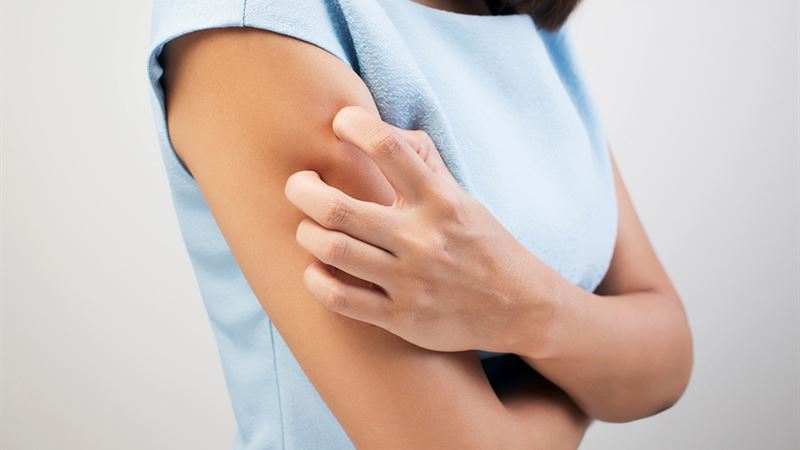
Signs and symptoms of skin mite infestations can vary, often including intense itching, redness, inflammation, rashes, and skin irritation. In some cases, people may not notice any symptoms, especially if the infestation is mild. Proper identification and timely management are crucial to prevent the spread of mites and associated complications.
Medical Treatments for Skin Mites
When mites become a significant problem, medical intervention is often necessary. Healthcare providers usually recommend specific medications to eliminate mites and alleviate symptoms. These treatments are tailored depending on the type of mite and severity of the infestation.
Topical medications: Prescription creams, gels, or lotions containing permethrin, benzyl benzoate, or crotamiton are commonly used to treat scabies and other mite infestations. These medicated formulas work by killing mites and their eggs upon contact.
Oral medications: In severe or resistant cases, doctors might prescribe oral drugs such as ivermectin or antihistamines to help control symptoms and eradicate mites from within.
Proper hygiene practices: Along with medications, maintaining good hygiene—regular bathing, washing clothes and bedding—can prevent the proliferation of mites and aid recovery.
Natural Remedies and Home Care Strategies
In addition to conventional treatments, various natural remedies can help manage mite infestations and soothe skin irritation. These options are generally safe when used appropriately and can complement medical therapies.
Oatmeal baths: Soaking in a warm oatmeal bath can soothe irritated skin, reduce inflammation, and diminish itching associated with mite infestations. The anti-inflammatory compounds in oats help calm redness and discomfort.
Tea tree oil: Known for its antimicrobial and anti-inflammatory properties, tea tree oil can be diluted and applied to bedding or indirectly to the skin to reduce mite presence and relieve itching. Always perform a patch test before extensive use.
Neem oil and products: Neem exhibits antibacterial, anti-inflammatory, and antiparasitic qualities. Applying neem oil or using neem-based soaps and creams can weaken mites and support skin healing.
Aloe vera: The soothing and healing properties of aloe vera gel can alleviate skin irritation, reduce redness, and promote recovery from mite-related rashes.
Cayenne pepper: The capsaicin in cayenne pepper may desensitize nerve endings, helping to diminish itching. However, caution is advised—perform a patch test to avoid skin reactions.
Clove oil: Containing eugenol, clove oil has antimicrobial effects that can target mites. It can be diluted and applied carefully to affected areas or used in diffusers to reduce mite populations in the environment.
Cold compresses: Applying cold packs or damp cloths can provide immediate relief from itching and inflammation, especially during flare-ups.
Gentle cleansing: Instead of harsh soaps, washing affected areas with water helps prevent further irritation. Avoiding skin irritants is essential to facilitate healing.
Preventative Measures to Avoid Future Infestations
Preventing skin mite infestations involves adopting hygienic habits, environmental cleanliness, and behavioral changes that reduce the risk of mite proliferation and transmission.
Wash clothes and bedding thoroughly: Regularly laundering clothes, pillowcases, sheets, and blankets in hot water (at least 130°F or 54°C) effectively kills mites and their eggs, preventing re-infestation.
Vacuum frequently: Routine vacuuming of carpets, upholstery, and rugs reduces mite populations in household environments, contributing to healthier living spaces.
Limit sharing personal items: Avoid sharing towels, makeup, brushes, or face products to minimize cross-contamination.
Maintain personal hygiene: Daily bathing, especially after sweating or physical activity, helps remove mites and prevents their overgrowth.
Manage pet contact: While skin mites primarily affect humans, pets can sometimes carry mites. Regular grooming and veterinarian visits help prevent zoonotic transfer.
When to Seek Professional Help
If symptoms persist despite home remedies or if there are signs of infection, it is essential to consult a healthcare professional. Some infestations may require specialized treatment or further diagnosis to identify underlying conditions. A doctor can prescribe appropriate medications and advise on environmental control measures to ensure complete eradication of skin mites.
In summary, managing skin mites involves a combination of medical treatment, natural remedies, and maintaining excellent hygiene practices. Early intervention and preventive strategies are vital for reducing the risk of infestation and skin complications. With the right approach, it is possible to effectively eliminate these tiny parasites and enjoy healthier, itch-free skin.