
Comprehensive Guide to Selecting Appropriate Footwear for Heel Pain Relief
Discover the essential tips for choosing the right shoes to alleviate heel pain, including what features to look for and which styles to avoid. This comprehensive guide provides insights from healthcare professionals and top brands, helping you make informed footwear decisions. Learn how supportive, well-made shoes can ease discomfort, prevent further injury, and support your recovery. Whether dealing with plantar fasciitis, Achilles tendinitis, or general heel soreness, these practical tips will guide you toward more comfortable, supportive footwear options for everyday wear and exercise. Improve your foot health today!
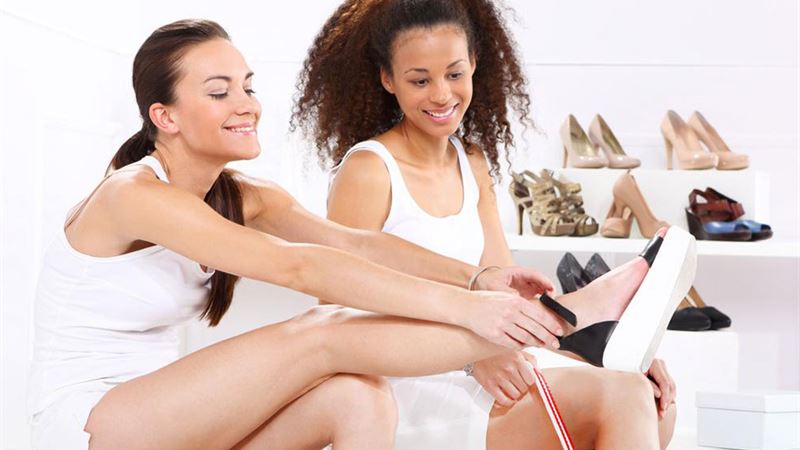
Experiencing heel pain can significantly hinder daily activities, reducing mobility and overall quality of life. Selecting the right footwear is crucial in alleviating discomfort and supporting healing. While there is no one-size-fits-all solution, understanding the key features of suitable shoes can help manage heel pain effectively. Each individual’s foot structure varies, and the specific cause of heel pain—such as plantar fasciitis, Achilles tendinitis, or heel spurs—requires tailored footwear choices. Making an informed decision can make a considerable difference in comfort and recovery.
Before proceeding with footwear selection, it is essential to consult a healthcare professional, preferably a podiatrist. Accurate diagnosis of your heel condition ensures you choose the most effective treatment and appropriate footwear. Health professionals typically recommend combined approaches, including medication, physiotherapy, and specialized footwear, to optimize recovery. Their expertise can help identify particular needs based on the severity and type of heel injury.
However, medical-grade shoes are not always practical for daily wear, hiking outings, or casual outings. Therefore, understanding what features to look for in regular footwear can help prevent aggravating heel issues. Here are some critical considerations before purchasing shoes to ensure optimal support and comfort.
- Prioritize shoes made from durable, high-quality materials
Investing in footwear constructed from premium materials is essential for long-term support. Cheaper shoes often lack the necessary structural integrity, which can lead to foot instability and worsen heel pain over time. Quality materials also enhance durability, ensuring your shoes hold their supportive properties after repeated use. Look for shoes with sturdy midsoles that provide firm support around the heel—ideally, ones that resist twisting or bending—while maintaining flexibility at the toe box to facilitate natural foot movement. - Select shoes with laces rather than slip-on styles
When choosing athletic or walking shoes, opt for models with laces. Laced shoes allow you to adjust the tightness precisely, ensuring a snug, secure fit that minimizes foot movement inside the shoe. Slip-on shoes can loosen with time, which reduces stability, leading to an unstable gait that may increase heel strain. Properly fitted, laced shoes help distribute pressure evenly across your foot, alleviating stress on the heel. - Avoid stilettos and narrow-heeled shoes
High heels, especially stilettos, are notorious for causing heel discomfort because they put excessive pressure on the front part of the foot. This pressure can tighten the plantar fascia and calf muscles, intensifying heel pain and possibly contributing to conditions like plantar fasciitis. Instead, opt for footwear featuring block heels, wedges, flats, or supportive boots—all of which reduce strain and maintain a more natural foot position. Even stylish options can be found in these categories, so style doesn’t have to be sacrificed for support. - Be cautious with flats
While flats might seem like a good alternative to high heels, they are not always the best choice for heel pain. Many flats lack the necessary arch support, which can cause additional strain on the plantar fascia. Walking in unsupported shoes forces the foot to work harder to maintain proper posture, potentially aggravating heel conditions. For added comfort, consider custom insoles or orthotic inserts that provide extra arch support and cushioning, helping to distribute pressure more evenly and relax problematic tissues.
When shopping for footwear designed to relieve heel pain, pay close attention to the shoe’s motion control and stability features. Always try on the shoes and walk around to gauge how well they support your heels and overall foot alignment. Proper support can make a notable difference in reducing pain and promoting healing. Remember, your choice of footwear plays a fundamental role in managing heel discomfort and maintaining foot health in the long term.