
Essential Insights on Staph Infections: What You Need to Know
This comprehensive guide provides essential information about staph infections, including symptoms, diagnosis, treatments, and preventive measures. Learn how to identify early signs of infection and adopt good hygiene practices to reduce your risk. Whether dealing with minor skin issues or more severe internal infections, understanding staph bacteria is crucial for maintaining optimal health. The article also offers practical tips on wound care, hygiene, and avoiding common pitfalls that contribute to infection spread, helping readers stay informed and protected from this common yet serious health concern.
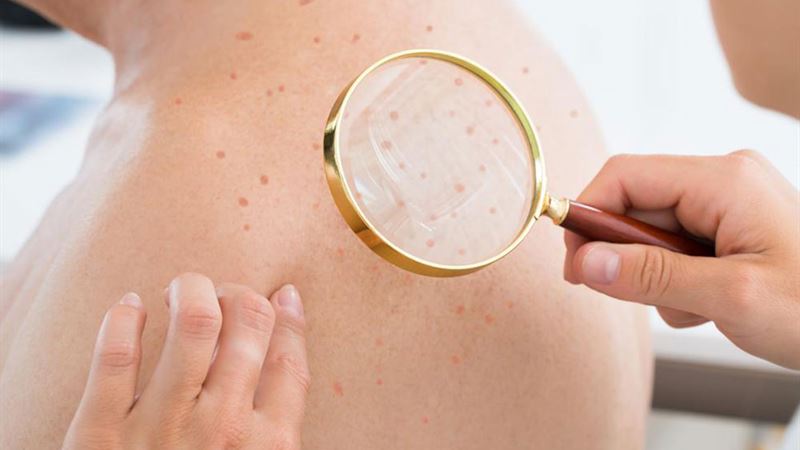
Understanding what a staph infection looks like is crucial for early detection and treatment. Often, symptoms appear as skin issues like styes, boils, furuncles, or carbuncles. In more severe cases, they can manifest as impetigo, cellulitis, or folliculitis. Internal staph infections are more dangerous and may present as food poisoning, bloodstream infections, toxic shock syndrome, pneumonia, or sepsis. Recognizing these signs early can significantly improve treatment outcomes.
Detecting mild staph infections involves thorough physical examinations complemented by laboratory tests. Physicians may analyze blood samples, tissue samples, or secretions to determine the presence of staph bacteria and establish the severity. Accurate diagnosis is the first step toward effective treatment.
- Proper wound care: Always keep cuts and abrasions clean, disinfected, and covered with sterile bandages until fully healed. Proper wound hygiene prevents bacterial colonization and subsequent infection.
- Regular hand hygiene: Wash your hands thoroughly with soap and water, especially before meals, after using the restroom, or handling potentially contaminated items. When water isn’t available, use a hand sanitizer containing at least 60% alcohol.
- Avoid sharing personal items: Refrain from sharing razors, towels, clothing, makeup, or other personal items that come into contact with skin. Sharing these items can facilitate the spread of staph bacteria.
- Maintain household hygiene: Keep your living environment clean by disinfecting frequently touched surfaces, bedding, and clothing regularly using suitable cleaning agents. This reduces bacterial buildup and transmission risk.
- Exercise caution with tampons: Toxins released during prolonged tampon use can lead to toxic shock syndrome, which involves a staph infection. Change tampons frequently—ideally every 4 to 8 hours—and consider switching to sanitary pads to minimize risk.
Awareness and proactive hygiene practices are key to preventing staph infections. Early diagnosis and prompt treatment can prevent complications and ensure better health outcomes. If you suspect an infection, consult your healthcare provider promptly for appropriate testing and therapy.