
Essential Preparations Before Getting a Botox Injection for Bladder Treatment
Learn comprehensive steps to prepare for Botox bladder injections, ensuring a smooth procedure and optimal results. No strict dietary restrictions are needed, and understanding your health status is key for success. Discover tips on lifestyle adjustments, medication management, and post-procedure care, making your treatment experience as comfortable as possible for improved bladder control and quality of life.
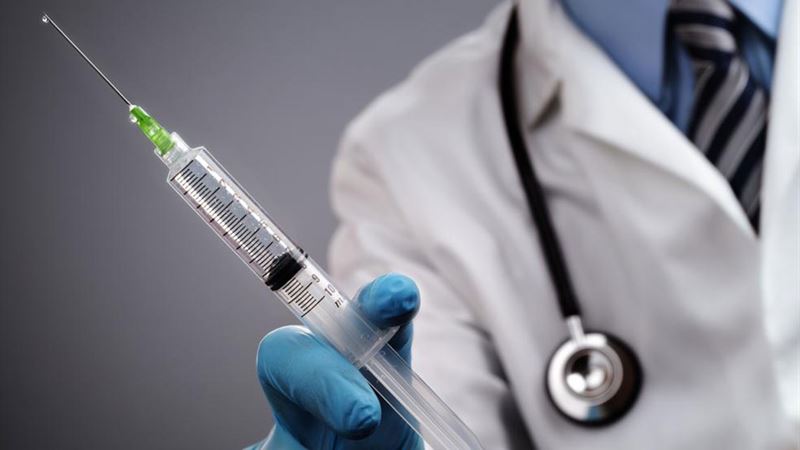
Undergoing Botox treatment for bladder issues has become an increasingly common solution for individuals suffering from overactive bladder and urinary incontinence. If your healthcare provider has recommended Botox injections into your bladder, understanding the proper preparations is crucial for a smooth and effective procedure. While the process is generally quick and minimally invasive, taking certain steps beforehand can enhance comfort, reduce potential complications, and ensure optimal results.
**Understanding the Procedure and Its Preparations**
Botox bladder injections, also known as intravesical Botox administration, are designed to relax the bladder muscles, reducing the intense urge to urinate and controlling urinary leakage. The procedure usually involves a cystoscopy, a technique where a thin scope is inserted into the bladder to deliver Botox directly into the targeted muscle tissues. It’s often performed on an outpatient basis, meaning no overnight hospital stay is required.
**No Strict Dietary Restrictions Are Necessary**
One of the comforting aspects of this treatment is that there are no mandatory dietary restrictions beforehand. Patients are advised to maintain their usual eating habits, focusing on consuming nutritious, balanced meals leading up to their appointment. The importance of a healthy diet cannot be overstated, as good nutrition supports overall health and can aid in recovery.
**Lifestyle Considerations Before the Procedure**
While caffeine, alcohol, and tobacco do not have strict restrictions related to the procedure, healthcare professionals often recommend avoiding these substances on the day of treatment. Caffeine and alcohol can irritate the bladder, possibly affecting the efficacy of the Botox or increasing discomfort during recovery. Similarly, smoking can impair healing processes due to its impact on blood circulation, so refraining from tobacco use is advisable.
**Health Status and Timing of the Procedure**
It’s essential to communicate honestly with your doctor about your current health condition. If you’re feeling unwell, such as experiencing a cold, fever, urinary tract infection, or other illnesses, it's best to reschedule the appointment. Proceeding with the Botox injection while ill can increase the risk of complications or reduce the treatment’s effectiveness. Your healthcare provider can advise on the safest course of action.
**Pre-Procedure Medical Evaluation**
Before receiving Botox injections, you might undergo a medical evaluation, including urine tests or bladder function assessments. This helps ensure you’re a suitable candidate for the procedure and allows your doctor to tailor the treatment plan to your specific needs. Sharing your complete medical history and any medications you’re taking is vital for avoiding adverse reactions.
**Medications and Supplements**
Patients should inform their healthcare provider about all medications, including over-the-counter drugs and supplements. Certain medications, like blood thinners, may need to be adjusted or temporarily stopped to reduce bleeding risk during the procedure. Your doctor will provide guidance on managing existing medications around the time of your Botox treatment.
**Preparation Tips for a Comfortable Experience**
On the day of the procedure, wear comfortable clothing and plan to arrive a little earlier than your scheduled appointment. If you experience anxiety about the procedure, discuss relaxation techniques or sedation options with your healthcare provider. Hydration is essential; drinking enough water beforehand can make the procedure smoother and facilitate recovery.
**Post-Procedure Care and Follow-up**
After the injection, most patients can resume daily activities immediately, but some may experience mild bladder irritation or urgency. Your doctor may recommend temporary activities to avoid, such as strenuous exercise or the use of certain bladder irritants. Regular follow-up appointments are necessary to monitor progress and determine if additional treatments are needed.
**Open Communication Is Key**
Lastly, don’t hesitate to communicate openly with your healthcare team about any concerns or questions before your procedure. Discussing your symptoms, treatment expectations, and potential side effects can help you prepare mentally and physically for the process, leading to better outcomes. Remember, managing overactive bladder is a journey, and Botox injections are an effective part of modern treatment options.
Proper preparation and honest communication with your healthcare provider are fundamental steps toward successful Botox bladder treatment. With the right approach, you can look forward to a significant improvement in your quality of life and regain control over urinary symptoms.