
Effective Strategies to Reduce Costs When Purchasing Hearing Aids
Discover comprehensive ways to lower the expenses of purchasing hearing aids, including insurance tips, shopping strategies, professional advice, and government programs. These methods aim to make hearing aids more affordable without compromising quality, helping those with hearing loss access essential devices at a reasonable cost.
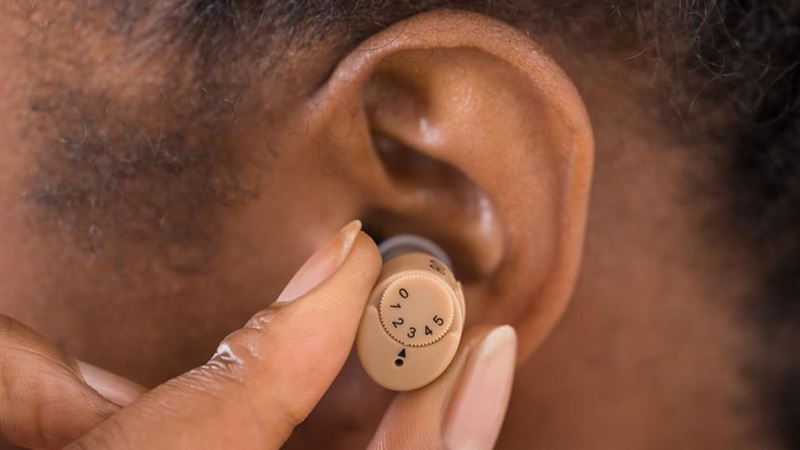
Hearing aids are essential devices for individuals experiencing hearing loss, but their high costs often pose a significant barrier to many. Prices for these devices can range widely—from approximately $1,000 to over $4,000—making affordability a primary concern. Finding ways to minimize expenses without compromising on quality can greatly help those in need. One of the first steps is to verify whether your health insurance plan covers hearing aid costs. Coverage varies widely; some plans offer partial reimbursement, while others may cover the entire expense. If your insurance provides partial coverage, it can substantially reduce your out-of-pocket expenses, making the purchase more manageable. For those who do not have coverage, exploring insurance plans that include hearing aid benefits can be a worthwhile investment for the future. Additionally, shopping around at multiple retailers and negotiating prices can lead to substantial savings. Many stores are willing to offer discounts or special deals, especially if you request them or bundle services. It’s advisable not to settle with the first retailer you visit—comparing prices from various outlets ensures you get the best deal. Consulting with an audiologist or hearing specialist is equally valuable. These professionals can recommend suitable models based on your specific hearing needs and may suggest options that are effective yet budget-friendly. They can also help you understand different features and price points, preventing you from overpaying for unnecessary functionalities. Remember, the goal is to find a hearing aid that provides clear sound quality and comfort while fitting within your budget. Furthermore, exploring newer, less expensive models—such as over-the-counter hearing devices—can be a viable alternative, especially for mild to moderate hearing loss. These devices are often more affordable but still offer reliable performance. It’s essential, however, to ensure they are appropriate for your particular condition through professional guidance. When purchasing a hearing aid, consider the long-term costs as well. This includes maintenance, replacement batteries, and potential repairs. Some devices may require more frequent servicing, which can add to cumulative expenses. Therefore, choosing a durable and reliable model can save money over time. Lastly, take advantage of government assistance programs and nonprofit organizations that offer financial aid or discounted hearing aids for eligible individuals. These resources can provide crucial support, making hearing aids more accessible and affordable. In summary, reducing the cost of hearing aids involves a combination of insurance benefits, shopping around, professional guidance, considering alternative models, and leveraging assistance programs. By employing these strategies, you can ensure that quality hearing support remains within your financial reach without compromising on essential features that improve your hearing and overall quality of life.
When seeking a hearing aid, being informed and proactive can significantly cut costs while ensuring you get a device suited to your needs. The process may seem overwhelming initially, but with proper research and guidance, you can find affordable options that meet your expectations. Remember, the key is to balance cost-saving measures with quality and functionality to maximize your hearing health. Keep in mind that investing a bit of time in exploring various options and consulting healthcare professionals can lead to substantial savings in the long run, all while enhancing your ability to communicate effectively and enjoy daily life.