
Effective Strategies for Affordable Hearing Aids: Save Money Without Compromising Quality
Discover comprehensive strategies to purchase affordable hearing aids without compromising quality. Learn how insurance, online shopping, negotiation, and assistance programs can help reduce costs. Get tips on choosing the right device based on your needs and budget, and explore ways to save significantly while improving your hearing health. This guide empowers you to make informed decisions and access life-enhancing hearing solutions at a fraction of the typical cost.
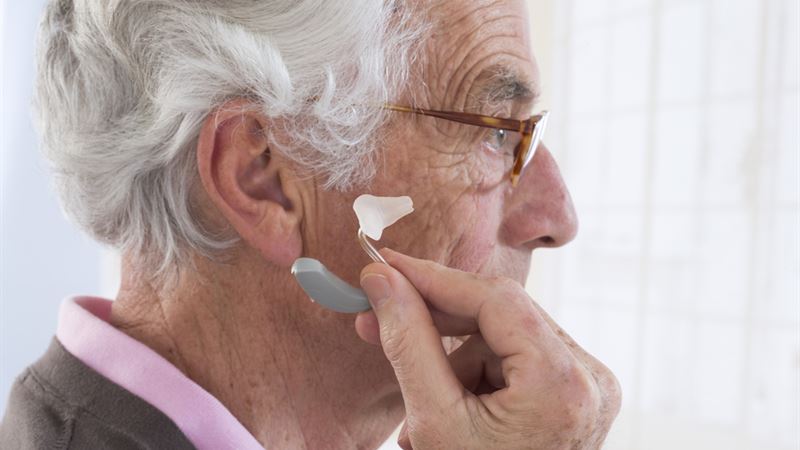
Hearing loss can significantly impact quality of life, but managing costs associated with hearing aids can be challenging. Fortunately, there are numerous methods to secure high-quality devices at more affordable prices. From insurance coverage and health savings accounts to strategic shopping and exploring various vendors, individuals can find ways to reduce expenses without sacrificing effectiveness. In this comprehensive guide, we will delve into practical approaches, including leveraging insurance plans, shopping smart, considering online options, understanding your specific hearing needs, and utilizing available assistance programs to make hearing aids more accessible and budget-friendly.
Understanding your individual hearing requirements is the first step towards choosing an affordable yet effective solution. Consulting with a qualified audiologist or ENT specialist ensures you receive a proper diagnosis and tailored recommendations. This step is crucial because selecting the right device not only affects your hearing health but also influences your overall satisfaction and the value you receive for your investment.
Once you have your diagnosis, exploring various purchasing options becomes essential. Many people overlook the potential savings available through different channels, including insurance partnerships, online retailers, and discount programs. By taking advantage of these avenues, patients can often save thousands of dollars on hearing aids and related accessories such as batteries and maintenance services.
For individuals with insurance coverage, it's important to understand how your plan may assist with costs. Some insurance providers have agreements with specific hearing aid brands or clinics, offering discounts or partial coverage when purchasing from approved suppliers. Additionally, Health Savings Accounts (HSAs) or Flexible Spending Accounts (FSAs) allow you to use pre-tax dollars for hearing aids and associated expenses, effectively reducing your out-of-pocket costs.
Shopping around is another effective strategy. Prices can vary widely between different providers and locations. Visiting multiple retail outlets—both brick-and-mortar stores and online platforms—can help you compare prices, features, and after-sales services. Some stores provide free hearing screenings and start at prices as low as $500 per device. When comparing options, don’t forget to factor in the cost of fittings, adjustments, and follow-up services that may influence overall affordability.
Online purchasing has become increasingly popular due to substantial cost savings. Many trusted online vendors offer hearing aids at prices that can be hundreds or even thousands of dollars lower than traditional retailers. However, buyers should exercise caution by consulting with an audiologist before making an online purchase. Sometimes, online hearing aids require adjustments or reprogramming, which may entail additional expenses or visits to local specialists. Despite these considerations, online options remain a viable route for budget-conscious consumers looking for quality devices at a reduced price.
Before making any decision, it’s vital to consult with a healthcare professional to rule out other medical issues contributing to hearing loss. An accurate diagnosis ensures you select the most suitable device for your needs, whether it’s a simple hearing amplifier or a high-end digital aid.
Some individuals consider pre-owned or refurbished hearing aids as a cost-saving measure. While this can lead to significant savings, it’s important to exercise caution. Pre-owned devices may carry a risk of infection or damage if not properly sanitized and tested. Refitting and reprogramming older models might incur costs comparable to new devices, especially if extensive adjustments are necessary. Additionally, an audiologist’s evaluation is essential to ensure the device meets your specific hearing requirements and fits comfortably.
Avoid Overspending on Unnecessary Features
Hearing aids come with various features and technological capabilities, impacting their price. Advanced options like Bluetooth connections, noise-cancellation, and rechargeable batteries often come at a premium. It’s wise to discuss your primary hearing challenges with an audiologist to determine the most essential features for your lifestyle. For example, if background noise in restaurants or difficulty using the phone are your main concerns, a basic digital device might suffice, helping you save hundreds of dollars. Remember, more expensive isn’t always better; the right device is the one that effectively addresses your specific hearing issues within your budget.
Trying on different models allows you to assess comfort and usability. Don’t hesitate to inquire about trial periods, money-back guarantees, and warranties. These options provide peace of mind and a chance to test the device’s performance in real-life situations. Basic models often cost less but are equally effective for many users. Additional features such as Bluetooth might be unnecessary for your needs and could inflate the price unnecessarily.
For those with mild to moderate hearing impairments, over-the-counter (OTC) hearing aids or personal sound amplification products (PSAPs) are practical and cost-effective alternatives. These devices are readily available, often without a prescription, and can be purchased at a fraction of the cost of traditional hearing aids. However, it’s crucial to consult with an audiologist to ensure these OTC devices are suitable for your specific level of hearing loss.
Negotiate for Better Pricing
Price transparency can significantly impact your overall expenditure. Whenever possible, request a detailed breakdown of the costs involved, including the device, fittings, adjustments, and follow-up care. Not all providers disclose separate pricing, but asking for this information can give you leverage in negotiations. Clarifying costs upfront helps prevent unexpected charges and enables you to compare offerings across different providers effectively.
In some cases, seeking discounts or promotional offers can reduce expenses further. Don’t hesitate to ask whether discounts are available for seniors, veterans, or individuals with financial hardship. Building a rapport with your audiologist or retailer might also open doors to special deals or inclusive service packages that enhance value while keeping costs low.
Utilize Assistance Programs and Grants
Numerous government agencies, charitable organizations, and nonprofit programs aim to improve hearing health accessibility. These programs often provide financial aid, grants, or subsidized devices for qualifying individuals. To benefit from these resources, you may need to demonstrate financial need or specific medical diagnoses. Applying involves submitting documentation and following application procedures; once approved, many recipients obtain significant discounts or even free hearing aids, making it an invaluable resource for those on tight budgets.
In conclusion, securing affordable hearing aids requires a strategic approach combining proper diagnosis, diligent shopping, leveraging insurance and assistance programs, and understanding your essential features. With thorough research and professional guidance, it’s possible to obtain high-quality hearing devices that improve your hearing and quality of life without exceeding your budget. Remember, the goal is to find a device that fits your hearing needs and financial situation, ensuring long-term satisfaction and better auditory health.