
Comprehensive Strategies to Reduce Costs When Buying Hearing Aids
Discover comprehensive strategies to minimize costs when purchasing hearing aids. From comparing prices, choosing suitable models, leveraging insurance coverage, negotiating discounts, and exploring aid programs—this guide provides practical tips to make hearing aids more affordable. Learn how to optimize your budget without compromising quality, ensuring effective hearing solutions are within your reach. Whether you're a senior, a veteran, or someone with hearing challenges, these expert insights help you find the best deals and ensure a comfortable, long-lasting investment in your auditory health.
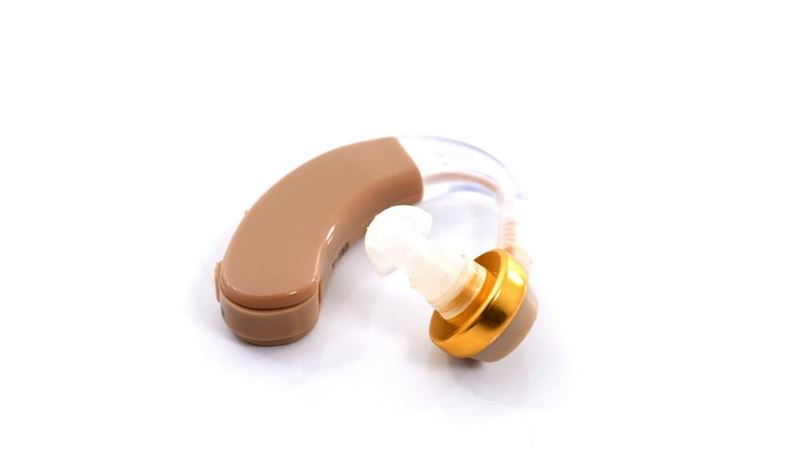
1. Conduct Thorough Market Research and Price Comparisons
Initiating your journey to purchase a hearing aid begins with comprehensive research. It’s crucial to consult with your healthcare provider and an audiologist to clearly understand your specific hearing needs. Once your requirements are clear, start exploring different retailers, brands, and models. Prices can vary significantly based on the seller, device features, and technological advancements. Comparing prices online and in-store enables you to identify the most affordable options. Additionally, reading reviews and ratings can provide insights into the quality and reliability of various products. Remember, the goal is to find a device that offers the necessary features for your hearing needs without unnecessary extras that inflate costs.
2. Choose the Right Hearing Aid Based on Your Specific Needs
Many individuals tend to overspend by opting for advanced models with features that may not be essential for their condition. To avoid this, work closely with your audiologist to determine the most suitable hearing aid tailored to your hearing profile. Trying on different models allows you to assess comfort and ease of use. When selecting a device, prioritize the core functionalities that address your hearing loss. Additional features like Bluetooth connectivity, rechargeability, or smartphone controls may add to the cost but are not always necessary. Opt for a device that provides reliable performance while being cost-effective. Also, ensure your purchase includes a warranty to protect your investment from potential damage or malfunction.
3. Maximize Your Insurance and Coverage Options
Many government health programs and insurance plans offer partial or full coverage for hearing aids. Review your healthcare benefits thoroughly to understand what is covered. Medicare Advantage plans may provide some assistance, and certain categories such as war veterans, children, and federal employees might be eligible for complete subsidies. Residents of states like Arkansas, New Hampshire, and Rhode Island often enjoy additional coverage options. If you’re unsure about your benefits, speak with your insurance provider or a healthcare advisor to verify your eligibility and learn about the claims process. Leveraging these benefits can significantly reduce out-of-pocket expenses, making hearing aids more affordable.
4. Negotiate Price and Explore Cost-Reducing Options
Negotiation is a powerful tool when purchasing hearing aids. Don’t hesitate to discuss pricing directly with vendors or clinics. Many sellers are willing to offer discounts or bundle deals to close a sale. Online suppliers often provide pre-programmed or self-programmable hearing aids at lower prices since they skip some of the overhead costs involved in traditional retail settings. Additionally, consider purchasing during sales or promotional periods. Asking about discounts for cash payments or for purchasing multiple devices can lead to further savings. Being proactive and confident in negotiations can result in substantial reductions in the final purchase price.
5. Explore Additional Cost-Saving Resources
Various organizations and government programs are dedicated to assisting individuals with hearing impairments. Groups like the Lions Clubs and other charitable organizations may offer programs that provide hearing aids at reduced costs or free of charge. Hunt for coupons or special discounts tailored for hearing aids—these are often available through online platforms or directly from hearing aid manufacturers. Purchasing pre-owned or refurbished devices is another option, but proceed with caution and ensure they are properly tested to guarantee functionality and hygiene. Remember, these options should be your last resort and only considered after exploring all other avenues.
6. Make Informed Purchases with Reliable Resources
Prior to finalizing your decision, consult reputable hearing aid buying guides and review ratings for various models and retailers. These resources can help you identify the best value for your money and ensure you’re investing in a durable, effective device. Opt for packages that include essential components such as batteries, cleaning tools, and replacement parts. Although such packages might cost a little more initially, they can save you money in the long run by eliminating the need for frequent replacements. Trying on different models and assessing comfort is crucial—your choice should be one you feel confident and satisfied with, as wearing comfort impacts your overall experience.
Getting a hearing aid is a significant step toward improving your quality of life if you have hearing loss. While cost is often a concern, understanding how to navigate the marketplace, leverage coverage options, negotiate prices, and explore assistance programs can make affordable hearing aids accessible to many. With careful planning and research, you can find a device that meets your needs without compromising your financial stability. Remember, investing in a quality hearing aid is an investment in your health, confidence, and everyday communication—making it worth every effort to find the best deal possible.