
A Comprehensive Guide to Selecting the Perfect Toys and Games for Children’s Growth and Safety
Choosing the right toys for children involves ensuring safety, age-appropriateness, and supporting individual interests. This guide offers detailed advice on selecting educational, fun, and safe toys to foster development and confidence in kids of all ages, emphasizing parental support and creativity in play activities.
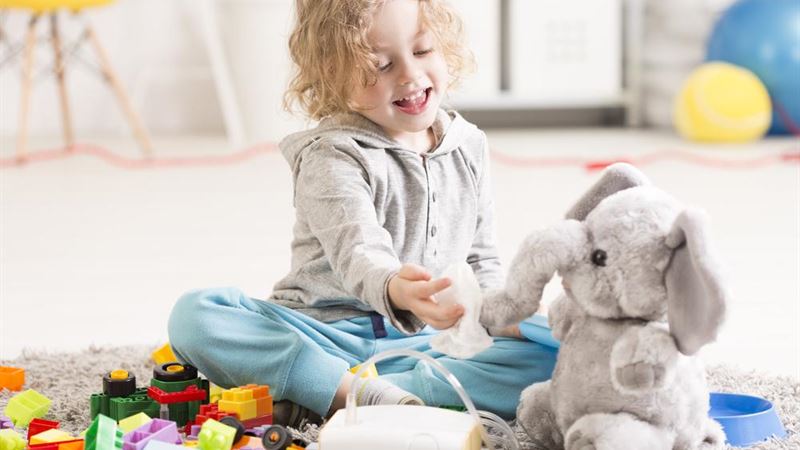
Ensuring the safety and developmental appropriateness of toys is crucial when choosing entertainment and educational tools for children. It’s essential to verify that toys are made with non-toxic paints and safe materials. Opt for stuffed toys that are easy to wash and free from inferior fibers to prevent health issues. The materials in toys should always be non-toxic, providing peace of mind for parents and caregivers alike.
Educational Value
The most beneficial toys and games for children are those that combine fun with learning. These toys should stimulate the child’s curiosity and cognitive development while offering joy. When selecting toys, consider their suitability for your child's individual learning pace. Different children of the same age may have varying interests, so it's important to support their unique preferences. For instance, if your child is captivated by puzzles, focus on providing engaging puzzle games, rather than forcing them to explore other toys out of tradition or expectation. Respecting their interests nurtures their confidence and promotes a natural love for learning.
Building toys, such as construction sets, motor vehicles for boys, dolls, and play kitchens for girls, are popular, but the key is to choose what your child enjoys. If your boy shows no interest in monster trucks but prefers kitchen sets, encourage that preference. Supporting their interests helps develop essential skills and fosters independence. Additionally, educational toys like books, musical instruments, and art supplies support cognitive and emotional growth. Creating personalized games At home can further enhance their development. For example, using everyday household items to teach about textures or real fruits and vegetables to explore nutrition offers practical, hands-on learning experiences. These activities can be more impactful than plastic models or photographs, as they engage the child's senses and curiosity.
Age-Appropriate Toys
Purchasing toys suited to your child's age is vital for their safety and developmental progress. It does not mean limiting their exploration but instead providing appropriate challenges that promote growth without risking harm. For infants, toys should be of a size that prevents choking, such as squeeze toys, rattles, teething rings, soft balls, and textured rings. These toys stimulate sensory development and motor skills safely.
For toddlers, more complex toys like puzzles, block construction sets, and transportation-themed toys are ideal. These help enhance their cognitive abilities and fine motor skills. Introducing drawing materials like crayons, paper, and colors at this stage encourages creativity and hand-eye coordination. As children enter the preschool years and beyond, they can handle more intricate puzzles and role-play games. Toys such as dollhouses, kitchen playsets, sandboxes, and puppets enable imaginative scenarios that foster social and emotional development. Additionally, household items, like empty boxes or used clothing, can be repurposed to enrich pretend play, stimulating creativity and problem-solving skills.