
Comprehensive Guide to Crafting a Durable Wooden Plant Container
Learn how to craft a durable and stylish wooden planter box with this comprehensive guide. From selecting the right materials to assembly, drainage, and finishing touches, discover tips to create a long-lasting container perfect for flowers, herbs, or vegetables. Simple steps and expert advice ensure your DIY project is a success, transforming your gardening space into a vibrant, attractive area that reflects your personal style. Elevate your garden with a custom wooden planter tailored to your needs and enjoy lush, healthy plants all year round.
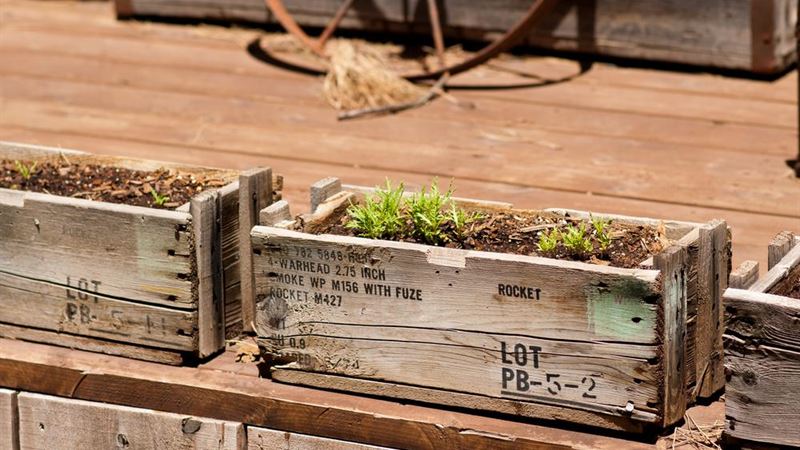
Designing and building a wooden planter box can transform your outdoor and indoor gardening spaces, offering a charming and functional way to grow a variety of plants, flowers, and even edible crops. A well-constructed wooden planter not only enhances the aesthetic appeal of your garden or patio but also provides a healthy environment for your plants to thrive. Whether you're a seasoned gardener or a beginner, creating your own wooden planter is a rewarding project that combines creativity, craftsmanship, and practicality. This extensive guide will walk you through every step of building a durable, attractive wooden planter box, from selecting the right materials to final placement and maintenance, ensuring your gardening project is both successful and enjoyable.
Why Choose a Wooden Planter Box?
Wooden planter boxes are favored by gardeners for their natural appearance, versatility, and ease of customization. Unlike plastic or metal containers, wood blends seamlessly with outdoor environments and can be painted or stained to match your decor. Additionally, wood is a good insulator, helping to maintain consistent soil temperatures for sensitive plants. While choosing to craft your own planter, consider using untreated or naturally rot-resistant woods like cedar or redwood, which resist decay and pests, ensuring your planter lasts for many seasons. Building a wooden planter also provides an opportunity to customize the size, shape, and style of your gardening container to suit your specific needs.
Step-by-Step Instructions to Build Your Wooden Plant Container
- 1. Planning and Design
Before starting construction, plan the dimensions and style of your planter. Decide on the height, width, and depth based on the types of plants you wish to grow. Draw a detailed sketch, noting measurements for each side and the bottom. Consider the weight and durability requirements, especially if the planter will be placed on balconies or elevated surfaces. Determine whether you want a rectangular, square, or custom shape, and decide if your planter will be fixed or portable. - 2. Selecting the Appropriate Materials
Opt for high-quality, untreated, or naturally rot-resistant wood such as cedar, redwood, or cypress. These woods are excellent choices because they resist decay without the need for chemicals that could leach into the soil. Purchase enough planks or large boards to construct all sides of your planter, including a bottom panel. Pre-cut wood can simplify assembly, but measuring and cutting your own allows for more customization. - 3. Cutting and Preparing the Wood
Cut your wood into precise measurements according to your design. Smooth out all rough edges and sharp corners with sandpaper or a sanding block to prevent splinters. Pay special attention to the corners, ensuring they are flush and securely joined to maintain structural integrity. Sanding also improves the overall appearance and safety of the final product. - 4. Drilling Drainage Holes
Proper drainage is vital for healthy plant roots. Using a drill, create 3-4 evenly spaced holes on the bottom panel of your planter. These holes will allow excess water to escape, preventing waterlogging and root rot. The size of the holes should be around 1/4 inch to ensure effective drainage without causing soil to leak excessively. - 5. Reinforcing the Bottom
After drilling drainage holes, line the bottom with a barrier such as landscape fabric, nylon, or vinyl sheet. Secure the barrier to prevent soil from seeping through the drainage holes and protect the wood from moisture damage. Use nails or screws to fasten the barrier securely around the edges. This step prolongs the lifespan of your planter and maintains proper soil containment. - 6. Assembling the Structure
Attach the sides to the bottom panel using galvanized screws or nails, ensuring all joints are tight and sturdy. Double-check measurements and use a level to keep sides aligned properly. Reinforce corners with brackets or braces if necessary, especially for larger planters. It’s essential that your structure is stable to support the weight of the soil and plants. - 7. Smoothing and Finishing Touches
Once assembled, inspect your planter for any rough edges or protruding nails. Sand down these areas thoroughly. Remove any excess nails or sharp points to prevent injuries during handling and use. Applying a protective finish ensures longevity and enhances appearance, especially if your planter is intended for outdoor use. - 8. Sealing and Painting
Although untreated wood is naturally durable, adding a coat of outdoor wood sealant provides extra protection against weather conditions. You may also choose to paint or stain the exterior with weather-resistant products. Select colors or finishes that complement your garden's aesthetic, making your planter both functional and attractive. - 9. Placement and Installation
Decide whether your planter will be placed directly on the ground, a balcony, or a raised platform. If placing on a balcony or elevated surface, consider installing sturdy brackets or supports capable of bearing the weight of the filled planter. It's advisable to lay a waterproof sheet underneath the planter to protect surfaces from water damage and provide additional moisture control. - 10. Filling and Planting
Fill your planter with a well-draining soil mix, combining high-quality garden soil with compost to ensure nutrients are plentiful. Add support stakes if you're growing taller plants or vegetables that require extra stability. Be mindful of the weight of the filled planter, especially when relocating it. Position your plants thoughtfully, considering sunlight, shade, and accessibility. Regular watering, fertilizing, and maintenance will keep your plants healthy and vibrant throughout the growing season.
Additional Tips for Maintaining Your Wooden Planter
- Inspect your planter periodically for signs of wear, rot, or pest infestation. Address issues promptly to extend its lifespan.
- Reapply sealants or paint as needed, typically every couple of years, especially if exposed to harsh weather.
- Ensure proper drainage at all times — check drainage holes regularly and clear any blockages.
- Replace the soil annually or as needed to maintain plant health and productivity.
- Consider lining the interior with pond liner or similar waterproof materials for added durability.
Building a wooden planter is a fulfilling DIY project that enhances your gardening space's beauty and functionality. By following these detailed steps, you can create a sturdy, attractive container tailored to your gardening needs, whether for flowers, herbs, or vegetables. Enjoy cultivating your plants in your custom-made wooden planter, and watch your garden flourish with your craftsmanship shining through every corner.