
Ultimate Guide to Natural Fertilizers for Vibrant Hydrangeas
Discover comprehensive, eco-friendly fertilizer options for hydrangeas, including homemade compost, coffee grounds, banana peels, and more. Learn application tips and benefits to boost your hydrangea's growth naturally. This in-depth guide helps gardeners cultivate vibrant blooms while practicing sustainable gardening.
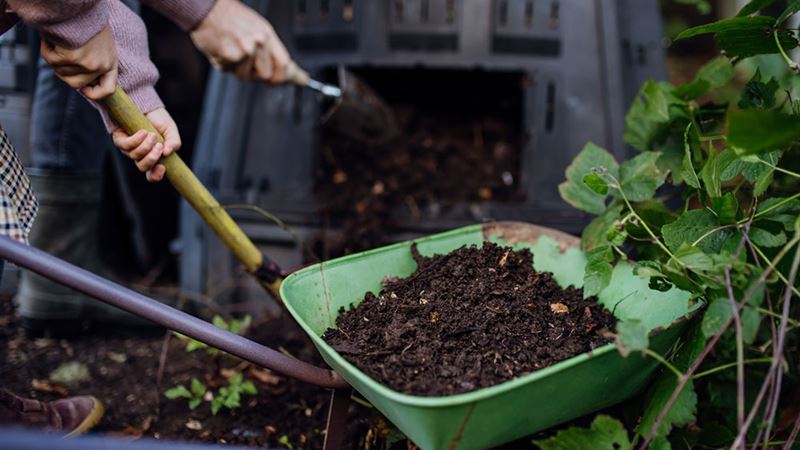
Introduction to Natural Fertilizers for Hydrangeas
Hydrangeas are among the most beloved flowering shrubs for their lush blooms and attractive foliage. Achieving vibrant flowers and healthy growth depends largely on proper soil nutrition and maintenance. While commercial fertilizers offer quick results, they often contain chemicals that can harm beneficial soil microbes and pollute the environment. Natural fertilizers, on the other hand, promote sustainable gardening, improve soil health, and offer long-term benefits for plants. This guide delves into various organic fertilizers, their benefits, application methods, and tips to maximize hydrangea growth naturally.
Benefits of Using Organic Fertilizers
- Enhance soil fertility with natural nutrients
- Promote healthy microbial activity in the soil
- Reduce chemical runoff and environmental impact
- Strengthen plant roots and stems
- Encourage vibrant flowering and sustained growth
Now, let’s explore some of the best natural fertilizing options tailored for hydrangea care, ensuring your plants stay resilient and colorful throughout the seasons.
1. Epsom Salt — An Effective Magnesium Boost
Regularly using Epsom salt as a natural fertilizer in hydrangea care can yield remarkable results. Epsom salt is a natural mineral compound consisting of magnesium sulfate, providing essential nutrients that promote healthy plant development. When used correctly, it enhances chlorophyll production, boosts flower and leaf coloration, and strengthens root systems.
Preparation and Application
- Mix 1 tablespoon of Epsom salt per gallon of water.
- Stir thoroughly until dissolved.
- During the plants' active growth phase, water your hydrangeas with this solution once a month.
Important Tips
- Verify soil magnesium levels before application; excessive magnesium can be harmful.
- Do not overuse—moderation is key to preventing nutrient imbalance.
- Apply during early morning or late evening to minimize evaporation.
Advantages
- Enhances chlorophyll synthesis for vibrant foliage
- Improves flowering and overall plant vigor
- Strengthens roots for better stability
2. Coffee Grounds — Rich in Nitrogen for Healthy Growth
Used coffee grounds are an excellent, readily available organic fertilizer. They are rich in essential nutrients such as nitrogen, magnesium, phosphorus, and potassium, all vital for lush hydrangeas. Incorporating coffee grounds into your soil can improve its structure, acidity, and nutrient content.
Application Methods
- Create a liquid fertilizer: Mix two cups of used coffee grounds with five gallons of water, stir well, and allow it to sit for several days. Strain and use the resulting liquid to water your hydrangeas.
- Use as mulch: Dry and grind the coffee grounds, then spread a thin layer around the base of the plant. Ensure the mulch is not in direct contact with the stem to prevent rot.
Soil pH Considerations
- Coffee grounds tend to acidify the soil, which benefits hydrangeas, especially those that prefer acidic conditions.
- Test soil pH regularly; ideal levels should stay below 6.5 for optimal bright blooms.
- Use in moderation to prevent excessive soil acidity, which can harm roots.
Benefits
- Increases soil nitrogen for lush foliage
- Enhances soil acidity, leading to brighter flower colors
- Repurposes coffee waste, promoting eco-friendly gardening
3. Banana Peels — Natural Source of Potassium
Banana peels serve as a natural and cheap source of potassium, a crucial element for flowering and fruiting. As they decompose, banana peels release potassium and other essential nutrients into the soil, promoting vibrant blooms and vigorous growth.
How to Use
- Chop 2-3 banana peels into small pieces and bury them evenly around the base of each hydrangea.
- Alternatively, dry the peels for 2-3 days in sunlight or in a low-temperature oven, then grind into fine pieces. Spread the ground peels near the roots.
Application Tips
- Apply no more than 280 grams of banana peel per plant to avoid over-fertilization.
- Mix with other organic mulches to improve soil health and moisture retention.
- Reapply 2-3 times during the growing season for sustained benefits.
Benefits
- Increases potassium levels, enhancing flower color and size
- Supports overall plant resilience and health
- Encourages strong, vibrant blooms
4. Homemade Compost — Rich, Organic Soil Conditioner
Compost is the cornerstone of sustainable gardening. Creating your own compost using kitchen scraps, lawn debris, and organic waste transforms waste into nutrient-dense goodness for your hydrangeas.
How to Make Compost
- Gather fruit peels, coffee grounds, vegetable trimmings, grass clippings, and fallen leaves.
- Layer the materials in a compost bin or pile, ensuring a mix of greens and browns for balanced decomposition.
- Maintain moisture and aeration to speed up the process.
- In a few weeks, the compost will turn dark, crumbly, and earthy.
Application for Hydrangeas
- For fresh plantings, incorporate a thick layer of 3-5 inches of compost into the soil at planting time.
- For established hydrangeas, use compost as mulch, spreading 4-6 inches around the base without piling against the stem.
- Apply in early spring or late winter to prepare the soil for lush growth.
Advantages
- Improves soil drainage and aeration
- Provides a broad spectrum of nutrients
- Enhances soil structure and moisture retention
- Encourages beneficial microbial activity
5. Wood Ash — Natural Source of Calcium and Potassium
Wood ash, a byproduct of burning wood, contains vital nutrients such as calcium, potassium, and magnesium. When used carefully, it can help alkaline soil conditions and strengthen hydrangea stems, leading to more vibrant and long-lasting blooms.
Application tips
- Sprinkle a thin layer of wood ash around the base of the plant, avoiding direct contact with stems or leaves.
- Use approximately 1 cup per square meter, and lightly mix with the topsoil.
- Apply during early spring or late fall for best results.
Important Considerations
- Test soil pH before application; wood ash raises alkalinity and is best suited for acidic soils.
- Avoid using ash from treated or painted wood, as chemicals may be harmful.
- Limit application to prevent excessive alkalinity, which can inhibit nutrient uptake.
Benefits
- Raises soil pH, making it more alkaline
- Strengthens stems and improves flowering
- Provides calcium for cell wall integrity
- Enhances soil aeration and drainage
6. Additional Natural Fertilizer Options
Besides the primary options, several other organic fertilizers can be beneficial for hydrangeas:
- Horse and Cattle Manure: Rich in nitrogen and micronutrients, apply composted manure around the root zone, ensuring the soil remains moist for effective nutrient absorption.
- Nettle Manure: Prepare by soaking 1 kg of fresh nettle leaves in 10 liters of rainwater for two weeks. Strain and use as a foliar spray or soil drench to stimulate flowering.
- Vegetable Cooking Water: Use cooled water from boiled vegetables as a nutrient boost, providing vitamins and minerals to hydrangeas.
- Vinegar Solution: For changing flower color, spray a mixture of 1 gallon of water and one cup of white vinegar onto the foliage, which can turn hydrangeas blue.
- Eggshells: Crushed shells are an excellent calcium source. Bury or sprinkle them around the plant to support strong cell walls and overall vigor.
These organic aids complement your hydrangea care routine, ensuring your garden remains eco-friendly and productive throughout the year.
ConclusionUsing natural fertilizers is a sustainable and effective way to promote healthy, vibrant hydrangeas. From homemade compost to simple kitchen waste, these organic solutions enrich your soil, improve plant resilience, and enhance flowering. Regular application and soil testing will help you tailor your fertilization approach, ensuring optimal growth conditions for your beloved hydrangeas. Embrace eco-friendly gardening practices to nurture gorgeous blooms and a healthy garden environment for seasons to come.