
Comprehensive Guide to Cultivating and Sustaining a Vibrant Container Garden with Perennial Plants
Learn how to successfully create and maintain a thriving perennial container garden. This extensive guide covers container selection, soil preparation, plant pairing, watering techniques, and ongoing maintenance. Discover tips to optimize plant health, promote beautiful blooms, and ensure your garden's longevity. Whether you're a beginner or experienced gardener, this resource provides practical advice to help you design a lush, resilient container garden that brings nature’s beauty right to your doorstep all year round.
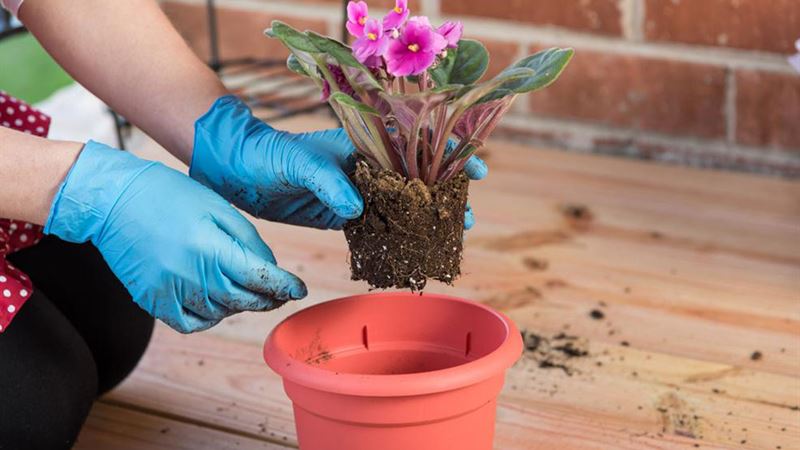
Container gardening offers a versatile way to bring lush greenery and vibrant blooms into your home or outdoor space. Choosing the right containers, preparing suitable soil, selecting compatible plants, and understanding proper watering techniques are crucial steps for cultivating a successful perennial container garden. Since perennial plants typically develop larger root systems, larger containers are often more suitable to accommodate their growth and ensure stable health. This guide dives deep into all aspects necessary to create a thriving container garden filled with perennials that flourish year after year.
Materials used for containers vary widely, each with its own set of benefits and drawbacks. Common options include wood, metal, ceramic, and plastic. Wood containers tend to blend naturally into garden settings, are relatively lightweight, and are biodegradable. Metal containers, such as aluminum or tin, are durable but may heat up quickly in direct sunlight, which could affect plant roots. Ceramic or clay pots are porous, allowing for excellent aeration, but they can be fragile and susceptible to cracking in extreme weather. Plastic containers are lightweight and affordable, making them a popular choice for many gardeners, though they may not be as aesthetically appealing as other options. When selecting your containers, consider the specific needs of your plants, their expected growth size, and the environmental conditions of your gardening space.
Drainage plays an equally critical role in container gardening as the choice of container itself. Proper drainage prevents water from stagnating around the roots, which can lead to root rot and other health problems. Every container should have at least one drainage hole at the bottom. If the chosen container lacks this feature, it can be modified easily by drilling a hole, or by consulting a professional to ensure the job is done safely and correctly. Cover the drainage hole with a screen or mesh to prevent soil and roots from escaping while allowing excess water to drain freely. Adequate drainage contributes to healthy root systems, promoting vigorous growth and longevity of your perennial plants.
Soil selection is fundamental to container gardening success. While it might be tempting to use garden soil directly from the ground, it is unsuitable for containers because it can compact, drain poorly, and lack the necessary nutrients. Instead, opt for high-quality potting mixes designed specifically for container use. These mixes usually contain a blend of peat, coir, vermiculite, perlite, and other aerating agents to ensure proper drainage and aeration. For perennials, choose soil with the right pH level and nutrient composition suited for the specific plants. For instance, plants requiring acidic soil, like azaleas and blueberries, need a different mix than those thriving in neutral or alkaline soil, such as lavender or succulents. Being attentive to soil details enhances plant health, flowering, and overall growth.
The pairing of plants in containers should be planned carefully, considering their compatibility in terms of water, light, nutrient needs, and growth habits. Some plants may compete aggressively for resources, while others can complement each other beautifully, creating a balanced and attractive arrangement. A good rule of thumb is to combine plants with similar light and water requirements and to vary their heights, textures, and colors for visual interest. For example, pairing tall, flowering perennials like coneflowers with shorter, ground-covering plants can produce a layered, vibrant display. Learning about each plant’s specific needs and growth behavior ensures that your container garden remains healthy and visually appealing over time.
Consistent watering is vital for maintaining healthy perennial plants in containers. Each species has its own watering frequency and volume requirements, which should be carefully observed. Overwatering can drown roots, while underwatering leads to stress and poor growth. A good approach is to check moisture levels regularly and water when the top inch of soil feels dry. Additionally, the nutrients contained in potting soil may diminish over time due to regular watering, especially if nutrients are washed away. To sustain plant vigor, supplement your soil periodically with liquid fertilizers or slow-release nutrients formulated for perennials. Proper watering and fertilization routines help plants develop strong roots, abundant blooms, and lush foliage, turning your container garden into a thriving oasis.
Timely pruning and maintenance are essential practices that keep perennial container gardens healthy and visually appealing. Removing dead or faded flowers encourages continued blooming, while pruning excess or crossing branches maintains good airflow and shape. Regular inspection for pests and diseases allows for early intervention, preventing widespread issues. Replacing or refreshing soil annually provides a nutrient boost and prevents soil compaction. Mulching the surface with organic material can help retain moisture and suppress weeds. With attentive care, your perennial plants will reward you with abundant flowers, dense foliage, and enduring beauty season after season. The effort invested in maintenance truly pays off by creating a vibrant, low-maintenance garden that enhances your living space for years to come.