
Comprehensive Guide to Understanding and Managing Bowel Incontinence
This comprehensive guide explores the causes, symptoms, and treatment options for bowel incontinence, a condition affecting many, especially seniors and women. It emphasizes the importance of early diagnosis and multidisciplinary management, including lifestyle modifications, therapies, and surgical procedures, to restore bowel control and improve quality of life.
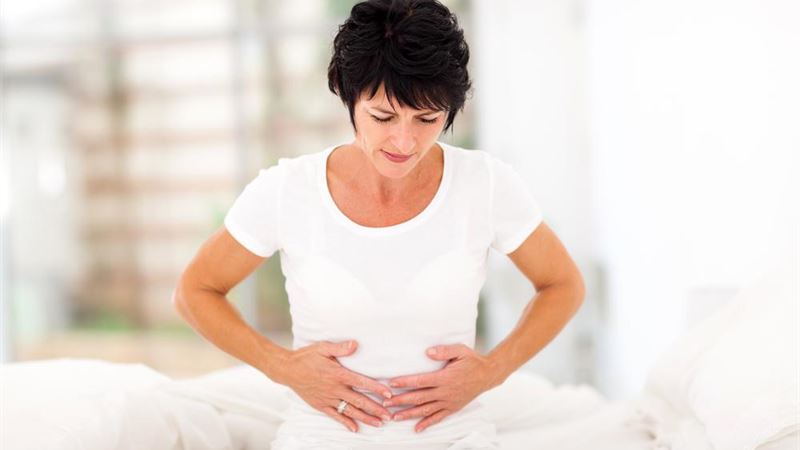
Understanding the root causes of bowel incontinence is essential for appropriate treatment. Several factors can lead to this condition, including physical trauma, neurological damage, and certain medical conditions. Nerve damage near the anal sphincter, for instance, can impair the normal control of stool passage. Muscle damage due to injury or surgery around the anorectal area may weaken the sphincter muscles, resulting in incontinence. Chronic conditions like constipation and diarrhea also play a significant role. Repeated episodes of diarrhea can stretch or weaken the anal sphincter muscles, making them less effective. Surgical interventions involving the rectum or anus, such as hemorrhoidectomy, rectal prolapse repair, or other anorectal procedures, can sometimes damage the nerves or muscles involved in continence.
Early identification of symptoms is vital for seeking medical intervention. The most common signs include different types of incontinence, each with distinctive features.
- Urge Incontinence: This form involves a sudden, intense urge to defecate. Patients often experience an uncontrollable need to pass stool and may leak stool before reaching the toilet. Diarrhea frequently triggers this symptom, and accompanying sensations include abdominal gas, bloating, and pain, which serve as precursors to incontinence episodes.
- Passive Incontinence: Unlike urge incontinence, passive incontinence involves the unintentional leakage of stool without any prior warning. Patients are often unaware of stool leakage, making it particularly dangerous. This form of incontinence is common among individuals suffering from chronic bowel issues or cognitive impairments such as dementia, where the ability to recognize and control bowel movements diminishes.
Aside from these primary types, symptoms can also be categorized based on emotional and physical manifestations.
Emotional symptoms often include psychological distress and social withdrawal. These encompass:
- Stress and anxiety related to involuntary leakage
- Fear of public humiliation or embarrassment
- Depression and feelings of shame
- Exhaustion from ongoing discomfort and behavioral adaptations
- Social isolation and reluctance to participate in activities
- Reduced libido and intimacy issues
- Secrecy and concealment of the condition
- Pervasive frustration and poor self-image
- Embarrassment in social settings
Physical symptoms are equally distressing and include:
- Soreness, skin irritation, and redness around the anal area due to constant contact with stool
- Unpleasant odor, which can be difficult to manage
- Abdominal pain or cramping that may indicate underlying issues
- Interference with daily activities like working, traveling, or exercising, often leading to lifestyle restrictions
Addressing bowel incontinence requires a comprehensive strategy that combines lifestyle modifications, medical therapies, and sometimes surgical interventions. The goal is to improve muscle control, restore bowel regularity, and minimize social and emotional impacts.
- Bowel Training Programs: Establishing a regular bowel movement routine can significantly reduce episodes of incontinence. Patients are encouraged to follow a scheduled time for defecation, which helps train the bowel and anal muscles to function optimally.
- Kegel Exercises: Also known as pelvic floor muscle exercises, Kegels strengthen the muscles involved in controlling stool. The technique involves repeatedly contracting and relaxing these muscles, which enhances sphincter strength and improves continence.
- Medications: Various drugs can help manage symptoms and underlying causes. These include:
- Loperamide: A medication that reduces stool frequency and urgency by slowing bowel movements.
- Bismuth Subsalicylate: Used to treat diarrhea and control odor.
- Psyllium: A fiber supplement that bulks up stool and improves its consistency.
- Laxatives: Used judiciously to prevent constipation and avoid straining during bowel movements.
- Identifying and avoiding trigger foods such as spicy dishes, caffeine, and high-fat foods
- Maintaining regular mealtimes to regulate bowel habits
- Incorporating foods that bolster bowel health, like fiber-rich fruits and vegetables
- Staying hydrated to ensure smooth bowel movements
- Managing weight to reduce pressure on the pelvic floor
- Biofeedback Therapy: This technique trains patients to gain awareness and control over bowel movements by providing real-time feedback on muscle activity. It enhances voluntary control of the anal sphincter and pelvic muscles.
- Sacral Nerve Stimulation: A minimally invasive procedure that involves implanting a device or applying electrical stimulation to nerves controlling the colon and rectum. This activates nerve pathways to improve functional control over bowel movements.
- Sphincteroplasty: A surgical repair that involves strengthening or reconstructing the anal sphincter muscle to improve its ability to retain stool.
- Colostomy: A procedure where an opening is created in the abdominal wall to divert stool into a bag, often used when other treatments fail.
- Artificial Anal Sphincter: An implanted device that mimics natural sphincter function, restoring continence in severe cases.
Understanding the causes, recognizing the symptoms, and exploring various treatment avenues are essential steps toward managing bowel incontinence effectively. With advances in medical science and a multidisciplinary approach, many individuals can regain control, reduce discomfort, and lead more confident lives. Consulting a healthcare professional promptly can facilitate early diagnosis and tailored treatment plans, ultimately improving long-term outcomes and enhancing quality of life.