
Comprehensive Guide to Vaccination: Essential Facts and Benefits
This comprehensive article delves into the essential components of vaccines, the diseases they prevent, and the recommended vaccination schedules for different age groups and populations. It highlights the importance of immunizations in safeguarding individual and public health, providing detailed insights into vaccine ingredients, safety, and effectiveness. Stay informed with accurate facts about vaccinations to make well-informed health decisions and protect yourself and your loved ones from preventable infectious diseases effectively.
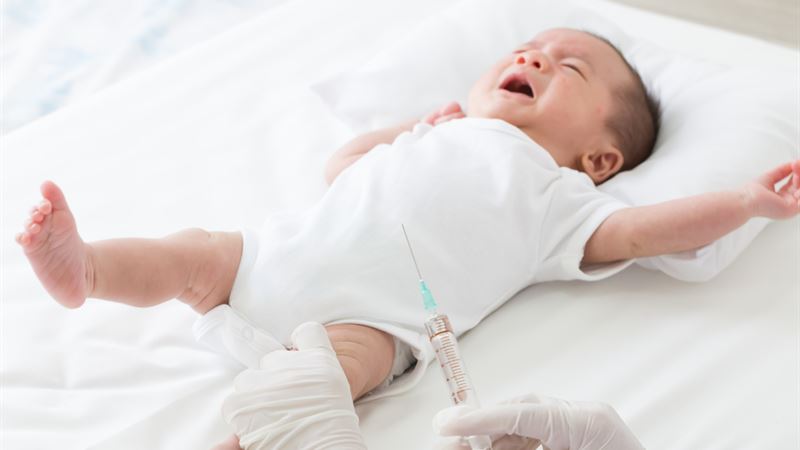
What is Inside a Vaccine? An In-Depth Look
Vaccines are sophisticated biological preparations designed to stimulate the immune system and develop immunity against specific infectious diseases. They comprise several key ingredients, each with a specific role to ensure safety and effectiveness. Let’s examine these components thoroughly:- Antigens: These are the primary active parts of a vaccine. Antigens contain the specific parts of bacteria or viruses—often attenuated or inactivated microbes—that trigger the immune response. By exposing the immune system to these harmless fragments, vaccines help the body recognize and fight the actual pathogens if encountered later.
- Adjuvants: These substances enhance and prolong the immune response. A common adjuvant is aluminum salts, often referred to as alum. They help the vaccine produce a more robust and lasting immunity by stimulating the immune system and facilitating a slow, sustained release of antigens at the injection site.
- Stabilizers: Stabilizers such as gelatin, sugars, and salts maintain vaccine potency during storage and transportation. They help preserve the active ingredients, preventing degradation that could compromise vaccine efficacy over time.
These components do not interfere with each other and are carefully balanced to ensure vaccine safety and effectiveness.
Additional Ingredients in Vaccines
Besides the main components, vaccines may contain preservatives, inactivating agents, antibiotics, and culture media.- Preservatives: Preservatives like thimerosal prevent bacterial and fungal contamination, especially in multi-dose vials. Thimerosal, specifically, has been extensively studied and is considered safe for use in vaccines, although efforts are ongoing to reduce or eliminate preservatives where possible.
- Inactivating Agents: Formaldehyde and similar chemicals are used to deactivate viruses and bacteria so they cannot cause disease once included in vaccines.
- Antibiotics: These prevent bacterial contamination during vaccine production. They are present in trace amounts and are safe for use in immunizations.
- Culture Media: These support the growth and stability of the vaccine's active components during manufacturing and storage, ensuring long-term effectiveness.
Understanding these ingredients helps alleviate concerns about vaccine safety and highlights the meticulous processes involved in vaccine manufacturing.
Diseases Prevented by Vaccination
Vaccines are vital tools in reducing the burden of infectious diseases worldwide. They protect individuals and communities by preventing the spread of dangerous illnesses. Some of the key diseases for which vaccines are highly effective include:- Chickenpox (Varicella): A highly contagious virus causing an itchy rash and fever. Two doses of the vaccine confer about 94% protection. Vaccination also reduces the severity of the disease if contracted. The available vaccines include the varicella vaccine and combined MMRV vaccine, which also protects against measles, mumps, and rubella.
- Diphtheria: Once a major cause of childhood morbidity and mortality, diphtheria cases have declined by over 99.9% following widespread immunization. Vaccines such as DTaP, Tdap, DT, and Td combat diphtheria, tetanus, and pertussis (whooping cough), ensuring broad-spectrum protection.
- Measles: A highly contagious viral disease, measles can lead to severe complications. The MMR and MMRV vaccines provide up to 99% protection, significantly reducing outbreaks.
- Rotavirus: An oral vaccine that primarily protects infants from severe diarrhea caused by rotavirus, which can be life-threatening in some regions.
These vaccines are critical in controlling outbreaks and preventing long-term health complications associated with these diseases.
Immunization Schedules for Different Age Groups and Populations
Vaccination strategies are tailored to different demographic groups, ensuring optimal protection at each life stage. Here’s an overview:- Infants and Young Children: During the first six years, children are typically vaccinated against diseases like hepatitis B, polio, diphtheria, tetanus, pertussis (whooping cough), Haemophilus influenzae type b (Hib), pneumococcus, rotavirus, and measles. These vaccines are administered through a series of doses at specific intervals to build immunity early in life.
- Pre-Teens and Teens (Ages 7-16): As children grow, additional vaccines are recommended, such as the meningococcal vaccine, human papillomavirus (HPV) vaccine, and influenza (flu) shots. These help protect against more complex or age-related infections.
- Pregnant Women: Women planning pregnancy or currently pregnant should receive the Tdap vaccine to protect against tetanus, diphtheria, and pertussis. If they haven’t been vaccinated against rubella or hepatitis B previously, vaccination before or during pregnancy can prevent serious congenital issues.
- Healthcare Workers and High-Risk Populations: Medical professionals and individuals with increased exposure risks should be vaccinated against hepatitis B, influenza, chickenpox, and other relevant illnesses. This not only protects their health but also reduces transmission risks to vulnerable patients and populations.
Having a well-structured immunization schedule ensures robust community immunity and curtails disease outbreaks effectively. It’s advisable to consult healthcare providers or immunization guidelines for personalized vaccine plans tailored to individual health status and local epidemiology.
Vaccination remains one of the most effective and cost-efficient public health interventions. Staying up-to-date with recommended vaccines is essential for personal and community health.