
Essential Insights into Night Sweats: Causes, Symptoms, and Treatments
Night sweats can stem from various causes including infections, obesity, GERD, sleep apnea, and even certain medications. Recognizing symptoms and underlying factors is crucial for effective treatment. Approaches include lifestyle modifications, medical interventions, and addressing specific health conditions. Consulting healthcare providers for persistent or severe cases ensures timely diagnosis and management, leading to improved sleep quality and overall well-being.
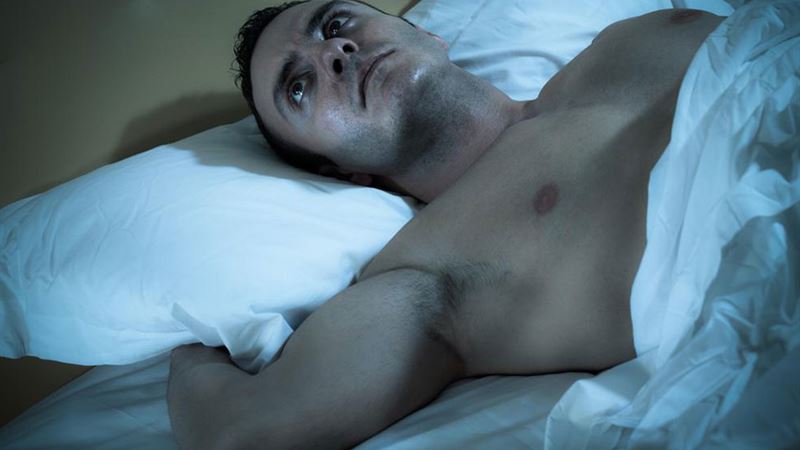
- Infections as a Cause: Infections are a prevalent reason behind night sweats, with tuberculosis being one of the most notable culprits. Other infectious conditions such as influenza, human immunodeficiency virus (HIV), and various febrile illnesses frequently lead to episodes of excessive sweating during sleep. These infections often cause systemic responses in the body, leading to elevated body temperatures and consequent night sweating as the body's attempt to regulate temperature. Recognizing infection-related night sweats is vital for timely diagnosis and treatment.
- Impact of Obesity: Obesity significantly contributes to nocturnal sweating. Excess body fat disrupts normal thermoregulation, making individuals more prone to experiencing episodes of sweating at night. Obesity-related metabolic disturbances and increased sweat gland activity play roles in this condition, often leading to poor sleep quality and discomfort. Managing weight through lifestyle modifications and medical intervention can help alleviate these symptoms.
- Gastroesophageal Reflux Disease (GERD): GERD, commonly known as acid reflux, is another frequent cause of night sweats. Often accompanied by symptoms such as heartburn and acid regurgitation, GERD's discomfort can disturb sleep and trigger sweating. The underlying mechanism involves inflammation and irritation of the esophageal lining, which can be exacerbated during the night due to reclining positions. Effective management includes dietary modifications, medications to reduce stomach acid, and lifestyle changes.
- Sleep Disorders like Obstructive Sleep Apnea: Obstructive Sleep Apnea (OSA) is characterized by the periodic blockage of the upper airway during sleep, leading to breathing difficulties. This condition provokes a series of physiological responses, including sudden drops in oxygen levels and stress responses, often resulting in night sweating. Untreated sleep apnea can cause significant health issues, including cardiovascular risk, and improving sleep quality through continuous positive airway pressure (CPAP) therapy or other interventions can reduce associated sweating.
- Cancer Indicators: Night sweats may serve as early signs of certain types of cancers, particularly hematological malignancies like leukemia and lymphoma. These conditions often cause systemic symptoms, including fever and sweating, as part of their presentation. Early detection and diagnosis through blood tests and imaging are critical for better outcomes. Recognizing the pattern of persistent or unexplained night sweats warrants consultation with a healthcare professional for appropriate evaluation.
Medications and Night Sweats: Various drugs can induce night sweating as a side effect. Medications such as those used to manage diabetes (e.g., insulin, sulfonylureas), antidepressants, hormone therapies, and corticosteroids have been associated with increased sweating at night. Specific drugs like Bupropion, Albuterol, Glipizide, Ciprofloxacin, Trazodone, Esomeprazole, Atorvastatin, and Amlodipine may contribute to this problem. If medication-induced sweating is suspected, healthcare providers may adjust dosages or suggest alternative treatments.
Treating Night Sweats: Approaches and Strategies
Effective treatment depends on accurately identifying the underlying cause of night sweats. If hormonal imbalances are involved, hormone therapy or regulation may be recommended. When medications are responsible, adjusting dosages or switching drugs can help. In cases where the cause remains elusive, strategies focus on symptom management and lifestyle adjustments to improve comfort and sleep quality.
General measures to reduce night sweating include:
- Wearing light, breathable sleepwear and bedding
- Sleeping in a cool, well-ventilated environment
- Avoiding alcohol, spicy foods, and caffeine close to bedtime
- Establishing a consistent sleep schedule
- Managing stress through relaxation techniques
Persistent or severe night sweats should prompt consultation with a healthcare professional to rule out serious conditions and develop a personalized treatment plan. Early intervention can significantly improve quality of life and overall health.