
Comprehensive Overview of Causes and Management of Excessive Sweating
Explore the comprehensive causes of excessive sweating, including hormonal, neurological, and medical factors, along with effective treatment options. This detailed guide offers practical solutions for managing hyperhidrosis and improving quality of life.
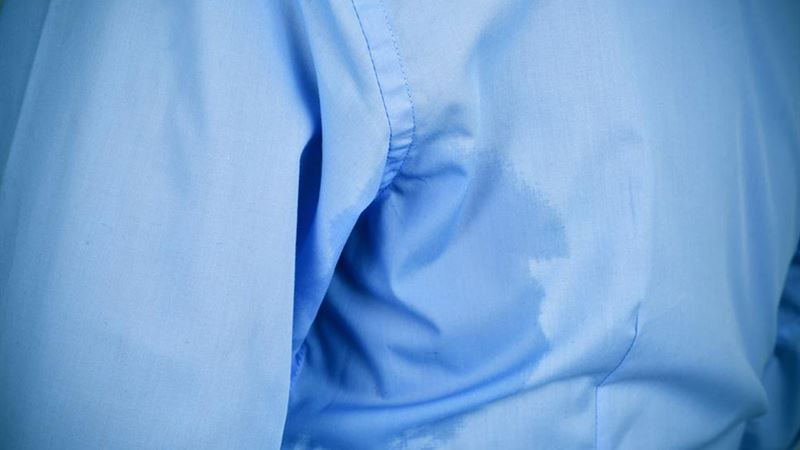
Excessive sweating, medically termed hyperhidrosis, is a common condition that can significantly impact quality of life. Understanding its root causes and available treatments is essential for effective management. Hyperhidrosis is generally categorized into two main types: primary hyperhidrosis, which affects specific areas without an identifiable cause, and secondary hyperhidrosis, which involves widespread sweating due to underlying health issues. This detailed guide explores the various causes of excessive sweating, from hormonal imbalances to medical conditions, and provides insights into current treatment options and lifestyle modifications beneficial for those affected.
Classification of Hyperhidrosis:
Hyperhidrosis is classified into two principal types based on its etiology and distribution:
- Primary hyperhidrosis (focal hyperhidrosis): This form affects specific areas such as the palms, soles, face, and underarms. Often, its cause remains unknown, and it typically manifests in childhood or adolescence. It is generally not a sign of a severe medical condition and can be managed with localized treatments.
- Secondary hyperhidrosis (generalized hyperhidrosis): This type involves excessive sweating across large parts or the entire body. It is often linked to other health problems or medications and may require addressing the underlying cause for effective relief.
The Root Causes of Excessive Sweating
While primary hyperhidrosis can occur without an apparent reason, secondary hyperhidrosis usually signals an underlying health concern. The common medical conditions associated with secondary hyperhidrosis include:
1. Thyroid Disorders (Hyperthyroidism):
- When the thyroid gland produces an excess of hormones, it speeds up bodily processes, leading to symptoms like rapid heartbeat, weight changes, and, notably, increased sweating.
- Hyperthyroidism can be effectively managed through medications, radioiodine therapy, or sometimes surgical procedures, which help normalize hormone levels.
2. Medication Side Effects:
- Several drugs, especially those used to treat hypertension, antibiotics, and supplements, may induce excessive sweating as a side effect.
- Patients experiencing such issues should consult their healthcare providers before discontinuing or altering medication regimens to avoid adverse health impacts.
3. Menopause and Hormonal Fluctuations:
- Many women face hot flashes during menopause, leading to profuse sweating that can be socially embarrassing and physically uncomfortable.
- Such symptoms stem from declining estrogen levels, which influence the body's temperature regulation mechanisms.
4. Psychiatric Conditions (Stress and Anxiety):
- Emotional stressors can cause the body's sympathetic nervous system to activate, resulting in increased sweat production.
- Persistent anxiety may also lead to a vicious cycle of sweating, embarrassment, and further anxiety.
- Some psychiatric medications themselves can exacerbate sweating symptoms.
5. Blood Sugar Imbalances (Hypoglycemia):
- Low blood sugar levels can trigger sweating episodes, especially for diabetics managing insulin or oral hypoglycemics.
- Monitoring and controlling blood glucose levels are crucial to prevent such symptoms.
6. Oncological Conditions:
- Cancers such as Hodgkin's lymphoma, leukemia, liver, and bone cancers are associated with episodes of excessive sweating, especially during advanced stages.
- The exact biological mechanism remains unclear, but it may relate to the body's immune response or metabolic changes induced by the tumors.
7. Pregnancy-Related Changes:
- During pregnancy, hormonal shifts and increased blood flow can cause women to experience heightened sweating.
- This is a normal physiological response and typically resolves postpartum.
8. Substance Use (Nicotine and Drugs):
- Smoking and nicotine intake stimulate the adrenal glands, releasing chemicals that activate sweat glands.
- Withdrawal from substances like opioids and alcohol can also result in increased sweating episodes.
Additional Less Common Causes:
- Obesity can put extra stress on the body's temperature regulation system.
- Neurological disorders such as Parkinson’s disease and rheumatoid arthritis may have sweating as a symptom.
- Gout and certain infections can also contribute to abnormal sweating patterns.
Approaches to Managing Excessive Sweating:
While primary hyperhidrosis may not have a definitive cure, several effective strategies help control symptoms:
- Topical agents: Over-the-counter or prescription-strength antiperspirants and medicated lotions can temporarily reduce sweating.
- Iontophoresis: A procedure using low electrical currents to block sweat gland activity, mainly used for palms and soles.
- Medications: Oral anticholinergic drugs, such as glycopyrrolate, can lessen sweat production but may have side effects.
- Botulinum toxin injections: Botox temporarily paralyzes sweat glands, offering relief for several months.
- Surgical Options: Procedures like sympathectomy or removal of sweat glands are reserved for severe cases and should be considered after thorough medical consultation.
Secondary hyperhidrosis treatment hinges on managing the primary condition. For example, controlling hyperthyroidism with medication or regulating blood sugar levels in diabetics can significantly decrease excessive sweating.
It's crucial that any treatment plan begins with a comprehensive medical evaluation to identify and address underlying causes. Lifestyle adjustments, such as wearing breathable clothing, managing stress, and maintaining a healthy weight, can also aid in symptom relief.
In conclusion, understanding the various causes of excessive sweating is vital for choosing the right treatment approach. While some cases are benign and manageable with topical treatments, others require medical intervention to address the root problem. Consulting healthcare providers is essential for tailored and effective management of this condition.