
Comprehensive Guide to Understanding and Managing Dry Eyes
Discover comprehensive insights into dry eye syndrome, including causes, symptoms, and advanced treatment options. Learn how environmental factors, health conditions, and lifestyle choices influence dry eyes. Explore effective management strategies like artificial tears, medical procedures, and home remedies to alleviate discomfort and restore eye health. This guide emphasizes personalized care and professional diagnosis to ensure optimal treatment outcomes, helping sufferers regain comfort and clear vision in their daily lives.
What Are the Primary Causes of Dry Eye Syndrome?
Dry eyes, medically referred to as keratoconjunctivitis sicca, are a common condition characterized by insufficient tear production or poor tear quality. The etiology is multifaceted, with aging being a prominent factor. As individuals age, tear glands may decline in function, leading to decreased tear secretion. Menopause also significantly increases the risk due to hormonal fluctuations affecting tear stability. Many people also discontinue contact lens wear if they experience discomfort, which can be either a consequence or a cause of dryness. Environmental factors within indoor spaces, such as prolonged air conditioning, heating, or the use of ceiling fans, contribute to lowered humidity levels, thereby exacerbating dryness. Outdoor conditions like windy, arid, or dusty environments also elevate risk, as they accelerate tear evaporation.
Besides environmental influences, several lifestyle and health-related factors can induce dry eyes. Smoking is known to impair tear glands and exacerbate dryness. The use of certain medications, including antihistamines, blood pressure drugs, contraceptive hormones, and antidepressants, can diminish tear production. Underlying health conditions such as thyroid disorders, rheumatoid arthritis, diabetes mellitus, and autoimmune diseases like Sjogren’s syndrome further predispose individuals to dry eyes by affecting tear secretion or causing inflammation.
Occupational and behavioral factors are also notable contributors. Frequently flying in air-conditioned aircraft exposes travelers to dry, recycled air that depletes tears. Extended screen time on computers, smartphones, and tablets is increasingly recognized as a significant cause because it reduces blinking rates and disrupts tear film stability. Conditions like lagophthalmos, where eyelids do not close fully during sleep or blinking, significantly increase the risk by allowing tears to evaporate prematurely.
Recognizing the Symptoms of Dry Eyes
Dry eye syndrome manifests through a range of uncomfortable symptoms, often impacting daily activities and quality of life. The most common signs include a persistent sensation of dryness, grittiness, and a feeling of foreign body presence in the eyes. Many individuals report burning sensations and visible inflammation, which can sometimes be mistaken for conjunctivitis. If left unaddressed, dry eyes can develop sensitivity to light (photophobia), a blurry or foggy visual experience, and a sensation of a film over the eyes. Symptoms tend to worsen in low-humidity environments, such as air-conditioned rooms, during windy or hot weather, and at high altitudes.
Symptoms may become more noticeable towards the end of the day or after prolonged digital device use. For example, extended work on computers, watching television, or using smartphones often leads to eye fatigue and dryness. Additionally, blinking often reduces during screen use, disrupting the tear film's renewal process. Reflex tearing, paradoxically, can occur as the eyes attempt to compensate for dryness, leading to watery eyes. Other common symptoms include formation of stringy mucus around the eye surfaces, difficulty with night driving, overall eye fatigue, discomfort when wearing contact lenses, sensitivity to wind and smoke, and double or blurred vision. Waking up with sticky eyelids is also a frequent complaint, along with shooting or stabbing pains in the eyes that can induce frustration, anxiety, and interfere with daily routines.
Effective Treatments for Dry Eye Syndrome
Managing dry eyes begins with an accurate diagnosis. Ophthalmologists typically conduct comprehensive eye examinations that assess tear production, tear film stability, and ocular surface health. Tests like the Schirmer's test measure tear volume, while other evaluations analyze tear quality and presence of inflammation. The health of eyelid margins and the function of Meibomian glands (which produce the oily layer of tears) are also examined to identify contributing factors. Once a diagnosis is established, various treatment options are available, often tailored to the individual's specific needs. It is crucial to seek professional advice before starting any therapy.
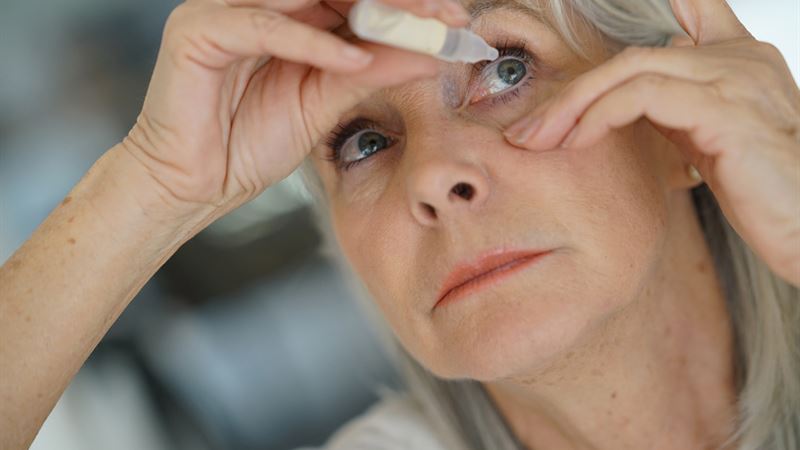
Common treatments include artificial tears or lubricating eye drops, which provide temporary relief from mild dryness. For more persistent cases, medicated eye drops containing steroids can reduce inflammation but should be used under supervision due to potential side effects. Punctal plugs are tiny devices inserted into the tear ducts to slow tear drainage, thereby increasing tear availability on the ocular surface. Meibomian gland expression, often combined with warm compresses, helps clear blockages and restore gland function. In addition, pulsed light therapy is emerging as a promising option to target inflamed blood vessels and improve gland health.
Home remedies and lifestyle modifications further support management. Incorporating foods rich in vitamin A (like carrots, sweet potatoes, and leafy greens) and omega-3 fatty acids (such as fish oil and flaxseed) can enhance tear quality. Proper eyelid hygiene, including thorough cleaning and safe removal of eye makeup, reduces bacterial load and inflammation. Wearing high-quality sunglasses prevents excess wind and UV exposure, protecting the eyes from environmental stressors. Regular blinking, especially during digital device use, helps maintain the tear film. Taking frequent breaks from screens (the 20-20-20 rule: every 20 minutes, look at something 20 feet away for 20 seconds) minimizes strain. Additionally, avoiding smoky or dry environments and staying hydrated are simple yet effective strategies. For some patients, compatible contact lenses designed for dry eyes or tear-stimulating medications prescribed by an ophthalmologist can provide significant relief. When necessary, addressing underlying health issues such as autoimmune conditions or hormonal imbalances is essential for long-term management.
Overall, understanding the multifactorial nature of dry eye syndrome enables tailored and effective treatment, alleviating discomfort and restoring visual health. Maintaining ocular hygiene, modifying environmental exposures, and seeking professional advice form the pillars of successful management, ensuring improved quality of life for affected individuals.