
Comprehensive Guide to Crafting a Healthy Mediterranean Diet Meal Plan
Discover the essentials of the Mediterranean diet, including key foods, meal ideas, and tips for a healthy lifestyle. This comprehensive guide helps you craft a balanced meal plan emphasizing fresh produce, healthy fats, seafood, and whole grains, supporting overall health and wellness. Learn which foods to enjoy daily, in moderation, or sparingly, and explore delicious recipes and beverage options. Personalize your diet with expert guidance for sustainable, flavorful, and nutritious eating habits rooted in a vibrant, heart-healthy culinary tradition.
The Foundation of a Mediterranean Diet
The Mediterranean diet is not a rigid set of rules but rather a flexible eating pattern that prioritizes natural, nutrient-dense foods. It is celebrated for its focus on plant-based ingredients, healthy fats, moderate consumption of dairy and poultry, and minimal intake of red meats and processed foods. The philosophy behind this diet centers on moderation, variety, and quality, making it sustainable and enjoyable for diverse lifestyles.
Core Food Groups in the Mediterranean Diet
- Vegetables: A cornerstone of the diet, featuring a wide array of colorful vegetables such as tomatoes, spinach, kale, broccoli, onions, carrots, and peppers. These provide essential vitamins, fiber, and antioxidants that promote overall health.
- Fruits: Rich in natural sugars, vitamins, and minerals, fruits like bananas, apples, oranges, berries, peaches, dates, melons, and figs are commonly incorporated into meals and snacks.
- Legumes: Lentils, chickpeas, beans, peas, and other pulses serve as excellent sources of plant-based protein, fiber, and complex carbohydrates, supporting digestive health and sustained energy levels.
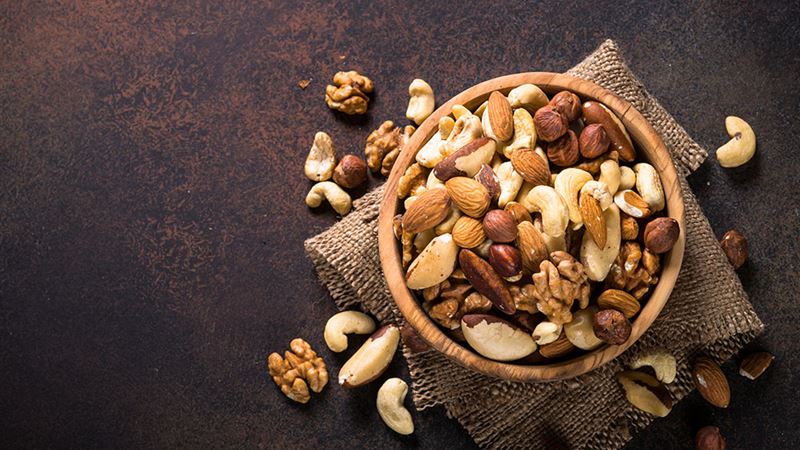
- Nuts and Seeds: Almonds, walnuts, pistachios, hazelnuts, and seeds such as chia, flaxseed, and sesame contribute healthy fats, protein, and other vital nutrients.
- Whole Grains: Brown rice, whole wheat bread, barley, oats, and other unrefined grains form the foundation of hearty, fiber-rich meals.
- Seafood and Fish: Diverse water-dwelling species like sardines, salmon, mackerel, tuna, shrimp, mussels, and oysters are favored for their omega-3 fatty acids and high-quality protein.
- Poultry: Chicken, turkey, and duck are consumed in moderation, offering lean protein options.
- Dairy: Yogurt, cheese (particularly feta, Parmesan, and goat cheese), and Greek yogurt are enjoyed regularly but in moderate amounts.
- Healthy Fats: Extra virgin olive oil, avocados, and other plant-based oils are primary sources of monounsaturated fats, supporting heart health.
- Herbs and Spices: Fresh herbs such as basil, mint, oregano, rosemary, thyme, and parsley, along with spices like cinnamon, nutmeg, and black pepper, enhance flavor without added sodium or sugar.
Foods to Eat in Moderation
The diet encourages moderate consumption of certain animal products and dairy, emphasizing quality and portion control:
- Eggs: Incorporate in dishes a few times per week.
- Cheese and Yogurt: Consume in moderation, focusing on varieties high in probiotics and low in processed ingredients.
- Poultry: Limit intake to a few times weekly.
Items to Rarely Consume
To maintain the health benefits of this diet, red meat should be eaten sparingly:
- Red Meat: Use only on special occasions or as an occasional treat.
Foods to Minimize or Avoid
For optimal health, it is advisable to limit or eliminate certain processed and unhealthy ingredients from your diet:
- Sugary Confections and Beverages: Candies, sodas, ice creams, and desserts high in added sugars.
- Refined Grains: White bread, white rice, and pasta made from refined wheat.
- Unhealthy Oils: Canola, soybean, cottonseed oils, and trans fats found in margarine and processed snacks.
- Processed Meats: Sausages, hot dogs, deli meats, and cured products contain preservatives and excessive sodium.
Incorporating the Mediterranean Diet into Your Daily Routine
Designing a meal plan rooted in Mediterranean principles involves choosing fresh, minimally processed foods and preparing them in healthy ways. Here’s a detailed guide to help you plan your weekly meals to ensure balance, variety, and nutritional adequacy.
Sample Weekly Meal Plan
Note: Always tailor your meal plan with the guidance of a healthcare professional to meet your individual health needs and dietary preferences.
Monday
- Breakfast: Greek yogurt topped with fresh strawberries, almonds, and a drizzle of honey.
- Lunch: Whole grain pasta salad with cherry tomatoes, cucumbers, feta cheese, olives, and extra virgin olive oil.
- Dinner: Grilled salmon served with steamed broccoli and quinoa.
Tuesday
- Breakfast: Oatmeal topped with sliced bananas, walnuts, and a sprinkle of cinnamon.
- Lunch: Tuna salad with mixed greens, olives, cherry tomatoes, and a lemon-olive oil dressing.
- Dinner: Baked eggplant with tomato sauce and goat cheese, served with a side of whole wheat bread.
Wednesday
- Breakfast: Veggie omelette with spinach, peppers, and onions accompanied by a slice of whole grain toast.
- Lunch: Whole grain sandwich with turkey, fresh vegetables, and hummus.
- Dinner: Lentil soup with a side of mixed greens and vinaigrette.
Thursday
- Breakfast: Fresh fruit platter with Greek yogurt and a handful of nuts.
- Lunch: Whole wheat lasagna with vegetables and lean meat.
- Dinner: Sautéed shrimp with garlic and olive oil, served with brown rice and asparagus.
Friday
- Breakfast: Frittata loaded with herbs and vegetables.
- Lunch: Caprese salad with fresh mozzarella, tomato, basil, and balsamic reduction.
- Dinner: Roasted chicken with herbs, roasted vegetables, and a side of couscous.
Saturday
- Breakfast: Whole grain toast topped with avocado, cherry tomatoes, and a poached egg.
- Lunch: Mediterranean grain bowl with chickpeas, olives, cucumber, feta, and a lemony dressing.
- Dinner: Homemade veggie pizza with whole wheat crust, plenty of vegetables, and a sprinkle of cheese.
Sunday
- Breakfast: Omelette with herbs, vegetables, and a side of fresh fruit.
- Lunch: Grilled fish tacos with cabbage slaw and avocado.
- Dinner: Vegetable ratatouille served with whole grain bread and side salad.
Snacks between meals can include Greek yogurt, nuts, fresh fruit, carrots, grapes, and apples, promoting satiety and nutrition between main dishes.
Hydration and Beverage Choices
Water remains the best hydration choice while on the Mediterranean diet. It’s recommended to drink plenty of water throughout the day. Moderate wine consumption—preferably red wine—can be included, but it’s entirely optional and should be consumed responsibly. Tea and coffee are acceptable beverages; however, avoid excessive sugar and cream. Packaged fruit juices and sugary drinks should be replaced with fresh water or herbal teas to prevent unnecessary sugar intake. Remember, moderation and mindful consumption are key to maintaining the health benefits of the diet.
Personalizing Your Mediterranean Eating Experience
While the guidelines provided offer a solid foundation, customization is essential. Work with a dietitian or nutritionist to adapt meal plans based on your tastes, nutritional needs, and health conditions. Incorporate cultural preferences or dietary restrictions to create a sustainable, enjoyable eating pattern. The goal is to promote long-term adherence, fostering a healthy relationship with food while enjoying the rich flavors of the Mediterranean region.
In conclusion, embracing the Mediterranean diet can lead to improved health outcomes, enhanced well-being, and a more flavorful approach to eating. Focus on fresh, unprocessed ingredients, balance, and moderation—your body and taste buds will thank you.