
Comprehensive Guide to Affordable LASIK Eye Surgery Pricing and Saving Tips
Explore comprehensive insights into LASIK eye surgery costs, factors affecting pricing, advanced technology options, and strategies to find affordable, high-quality care. Learn how to maximize benefits through insurance and financing options, ensuring safe and effective vision correction without overspending.
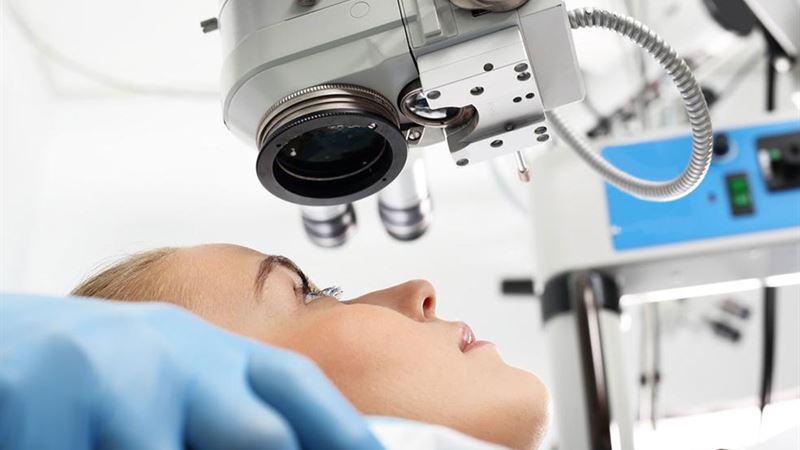
Finding a highly qualified ophthalmologist is the first critical step. Conduct comprehensive research to identify experienced eye surgeons who specialize in LASIK procedures. Look for credentials, patient reviews, and success rates to ensure you're in capable hands. Schedule consultations to discuss your specific visual needs, such as myopia, hyperopia, or astigmatism. The surgeon will perform a thorough eye health assessment and determine if LASIK surgery is suitable for you.
Understanding LASIK Surgery Costs
The expense associated with LASIK is a significant consideration and varies depending on several factors. Typically, clinics quote the price per eye, so you should anticipate doubling that amount for the total procedure cost. In the United States, for example, recent surveys indicate that the average cost per eye ranges from $1,500 to $2,500. However, this price can fluctuate based on location, the surgeon’s experience, and the technology used during the procedure.
What Does the Price Cover?
The total LASIK cost encompasses various components necessary for a safe and effective procedure. These include:
- The core laser equipment, such as the excimer laser and microkeratome, used to reshape the cornea.
- The costs of medical supplies like sterile blades, medicaments, and other disposables needed during surgery.
- Expenses related to maintaining a sterile surgical environment, including sterilization of gowns, gloves, masks, and surgical instruments.
- Salaries of the medical and hospital staff involved in your care, including nurses, technicians, and anesthetists.
- The surgeon’s professional fee, which varies based on their qualifications, experience, and success rate.
Factors Influencing LASIK Cost Variations
Several elements cause the fluctuation in LASIK pricing across different clinics and regions:
- Follow-up and Enhancement Procedures: Many centers include a one-year post-operative follow-up in their original quote. Additional enhancement treatments, if necessary, could incur extra charges. Always clarify whether follow-up visits and enhancements are included or billed separately before proceeding.
- Technology Used: Advanced technologies tend to increase the cost but often provide better precision and outcomes. Newer laser systems and diagnostic tools are more expensive, but they ensure safer and more accurate procedures.
- Surgeon’s Expertise: Experienced surgeons with high success and patient satisfaction rates may charge higher fees. Their expertise often translates into better surgical results and fewer complications.
- Facility Accreditation: Certified and accredited surgical centers generally have higher operational standards, which can influence the overall cost.
Emerging Technologies and Their Impact on Cost
The evolution of LASIK technology continually affects procedure pricing. Here's an overview of available options:
- Traditional LASIK: The conventional method employs standard laser technology and is usually the most affordable choice. It remains effective for many patients.
- Wavefront-Guided or Custom LASIK: This approach utilizes detailed wavefront analysis to tailor the procedure precisely to each eye’s unique optical irregularities, often resulting in clearer vision and fewer side effects. The cost is slightly higher than traditional LASIK.
- Femtosecond Laser (Bladeless LASIK): This advanced technology uses a laser instead of a blade to create the corneal flap, reducing risks associated with mechanical cutting. While more expensive, it is preferred by many for its safety and precision.
Payment Options and Insurance Coverage
Most health insurance providers typically do not cover elective LASIK surgeries. However, there are opportunities to reduce your out-of-pocket expenses:
- Insurance Discounts: Some insurance plans have negotiated rates with specific surgical centers, offering discounts or bundled pricing.
- Flexible Spending Accounts (FSA) and Health Savings Accounts (HSA): If you have an FSA or HSA, you can utilize these pre-tax funds to pay for LASIK, significantly reducing your taxable income and overall costs.
- Care Credit and Payment Plans: Many clinics partner with financing companies to offer installment plans, making payments more manageable over time.
Prioritize thorough research to ensure affordability and quality. Compare prices across providers, inquire about all possible charges, and confirm that the surgeon’s expertise aligns with your expectations. Transparency about costs and procedures will help you make the best decision for your vision and budget.