
Effective Dietary Strategies to Manage Hypertension Naturally
Discover comprehensive dietary strategies to naturally control high blood pressure. Learn about foods rich in potassium, omega-3 fatty acids, and antioxidants, and explore proven eating patterns like the DASH diet to promote cardiovascular health and reduce hypertension. Consult your healthcare provider for a personalized approach to managing high blood pressure through diet.
High blood pressure, also known as hypertension, is a common health concern affecting millions worldwide. Managing this condition through proper diet is one of the most effective and natural approaches to reduce risks associated with cardiovascular diseases. Excessive salt intake is a primary contributor to elevated blood pressure because it causes the body to hold onto extra fluid, increasing pressure on arterial walls. Therefore, reducing sodium consumption is crucial for individuals aiming to control hypertension.
Patients diagnosed with high blood pressure should pay close attention to their dietary choices. Adopting a diet low in saturated fats, trans fats, dietary cholesterol, sodium, and added sugars significantly aids in blood pressure regulation. Instead, focus on consuming foods rich in essential nutrients that support cardiovascular health.
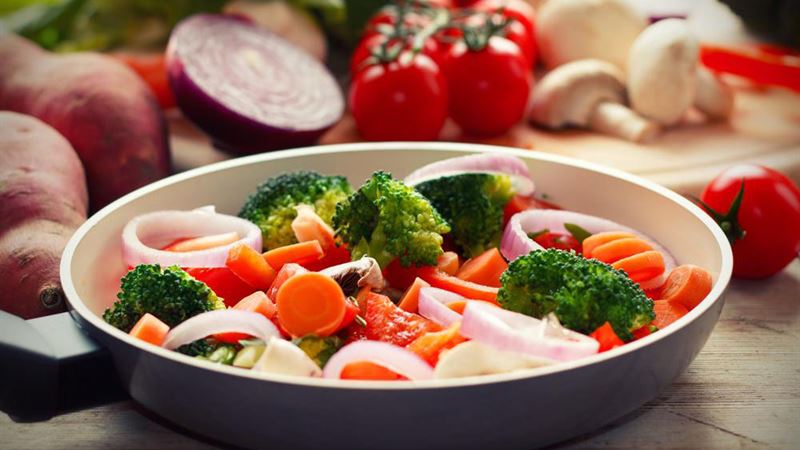
Potassium-rich foods play a vital role in balancing sodium levels within the body. Incorporating foods such as winter squash, sweet potatoes, white beans (either canned or drained), and fat-free yogurt can help maintain optimal potassium levels. Potassium helps relax blood vessel walls, which reduces vascular resistance and thereby lowers blood pressure.
Another natural remedy is the incorporation of flaxseeds into your diet. These tiny seeds are packed with compounds like alpha-linolenic acid, lignans, peptides, and dietary fiber, all of which have been shown to contribute to blood pressure reduction. Consuming flaxseeds in various forms—such as ground flaxmeal, added to smoothies, cereals, or baked goods—can lead to measurable improvements in systolic and diastolic readings.
Dark chocolate and cocoa products are not only indulgent treats but also beneficial for blood pressure management. Rich in flavanols, these products promote vasodilation—widening the blood vessels—and enhance nitric oxide production within the body. Nitric oxide acts as a natural vasodilator, decreasing vascular resistance and lowering blood pressure, especially when consumed in moderation.
Cooking with olive oil is another heart-healthy habit. Olive oil contains polyphenols, antioxidants that have been linked to better blood pressure control. Replacing saturated fats with olive oil in daily cooking routines can support cardiovascular health and aid in maintaining stable blood pressure levels.
Emerging research suggests that unsalted pistachios may help reduce high blood pressure. While the exact mechanisms are not fully understood, some studies point to their content of nutrients that may decrease peripheral blood vessel constriction, thus facilitating better blood flow.
Eating fatty fish such as salmon, mackerel, and sardines at least three times weekly introduces high levels of omega-3 fatty acids into your diet. Omega-3s are known to reduce inflammation and improve arterial flexibility. Several studies have demonstrated that regular consumption of fatty fish can lead to a significant decrease in diastolic blood pressure within just a few months.
Beyond specific foods, adopting comprehensive dietary patterns like the Dietary Approaches to Stop Hypertension (DASH) diet can be highly effective. The DASH diet emphasizes the intake of fruits, vegetables, whole grains, lean proteins, nuts, and legumes while limiting sodium, red meats, sweets, and sugary beverages. This diet has a proven track record of reducing blood pressure and promoting overall cardiovascular health.
Before making significant dietary changes, it is essential to consult a healthcare professional. A registered dietitian or doctor can provide personalized recommendations tailored to your health condition and nutritional needs. Monitoring your blood pressure regularly and maintaining a balanced, nutrient-rich diet are key steps in managing hypertension naturally and effectively.
Patients diagnosed with high blood pressure should pay close attention to their dietary choices. Adopting a diet low in saturated fats, trans fats, dietary cholesterol, sodium, and added sugars significantly aids in blood pressure regulation. Instead, focus on consuming foods rich in essential nutrients that support cardiovascular health.
Potassium-rich foods play a vital role in balancing sodium levels within the body. Incorporating foods such as winter squash, sweet potatoes, white beans (either canned or drained), and fat-free yogurt can help maintain optimal potassium levels. Potassium helps relax blood vessel walls, which reduces vascular resistance and thereby lowers blood pressure.
Another natural remedy is the incorporation of flaxseeds into your diet. These tiny seeds are packed with compounds like alpha-linolenic acid, lignans, peptides, and dietary fiber, all of which have been shown to contribute to blood pressure reduction. Consuming flaxseeds in various forms—such as ground flaxmeal, added to smoothies, cereals, or baked goods—can lead to measurable improvements in systolic and diastolic readings.
Dark chocolate and cocoa products are not only indulgent treats but also beneficial for blood pressure management. Rich in flavanols, these products promote vasodilation—widening the blood vessels—and enhance nitric oxide production within the body. Nitric oxide acts as a natural vasodilator, decreasing vascular resistance and lowering blood pressure, especially when consumed in moderation.
Cooking with olive oil is another heart-healthy habit. Olive oil contains polyphenols, antioxidants that have been linked to better blood pressure control. Replacing saturated fats with olive oil in daily cooking routines can support cardiovascular health and aid in maintaining stable blood pressure levels.
Emerging research suggests that unsalted pistachios may help reduce high blood pressure. While the exact mechanisms are not fully understood, some studies point to their content of nutrients that may decrease peripheral blood vessel constriction, thus facilitating better blood flow.
Eating fatty fish such as salmon, mackerel, and sardines at least three times weekly introduces high levels of omega-3 fatty acids into your diet. Omega-3s are known to reduce inflammation and improve arterial flexibility. Several studies have demonstrated that regular consumption of fatty fish can lead to a significant decrease in diastolic blood pressure within just a few months.
Beyond specific foods, adopting comprehensive dietary patterns like the Dietary Approaches to Stop Hypertension (DASH) diet can be highly effective. The DASH diet emphasizes the intake of fruits, vegetables, whole grains, lean proteins, nuts, and legumes while limiting sodium, red meats, sweets, and sugary beverages. This diet has a proven track record of reducing blood pressure and promoting overall cardiovascular health.
Before making significant dietary changes, it is essential to consult a healthcare professional. A registered dietitian or doctor can provide personalized recommendations tailored to your health condition and nutritional needs. Monitoring your blood pressure regularly and maintaining a balanced, nutrient-rich diet are key steps in managing hypertension naturally and effectively.