
Comprehensive Guide to Deep Cleaning Your BBQ Grill for Perfect Outdoor Cooking
Learn comprehensive techniques for deep cleaning your BBQ grill, including cleaning the grates, burners, protectors, and drip trays to ensure optimal performance and longevity of your outdoor cooking equipment. Keep your grill safe, efficient, and ready for perfect grilling with this detailed guide.
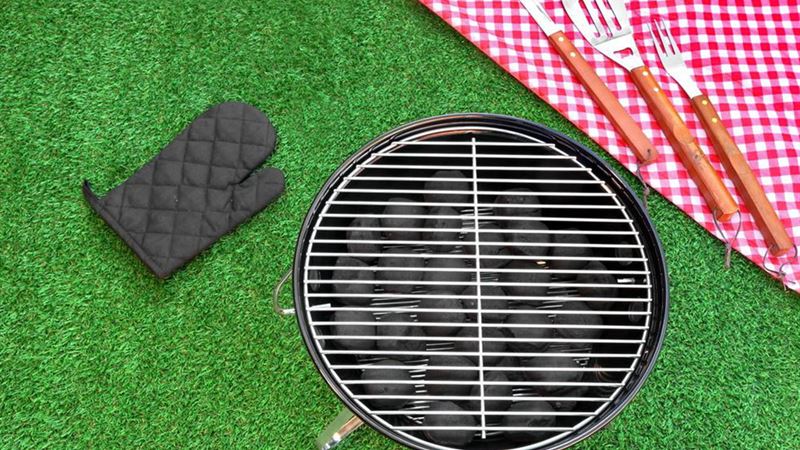
Thorough Cleaning of Grill Grates Using Proper Tools and Techniques
Regular maintenance of your barbecue grill begins with a comprehensive cleaning of the grates. Over time, grease, carbon deposits, and food residues accumulate on the grilling surface, which can impair cooking and affect the flavor of your food. To restore optimal performance, you'll need a sturdy grill brush, a non-abrasive sponge or cloth, and a bucket of warm, soapy water. Start by removing the grill grates from the cooking area. Using the grill brush, scrub the surface vigorously to loosen and remove charred bits and accumulated grime. For stubborn residues, dip the brush into the soapy water and continue scraping until the surface appears clean. Once the heavy debris has been dislodged, wipe the grates with a damp sponge to remove any remaining soap and loosened dirt. Dry the grates thoroughly with a clean cloth or towel to prevent rust formation and prepare them for the next grilling session. Remember, routine cleaning after each use prolongs the lifespan of your grill and ensures optimal cooking conditions.
Removing and Cleaning Burner Protectors for Better Flame Distribution
Most modern gas grills, including popular brands like Weber and Broil King, feature burner protectors, also known as flavorizer bars or heat shields. These components sit directly above the burners and serve to evenly distribute heat while catching drippings that could cause flare-ups. Because they are exposed to food and grease, they tend to become dirty over time, leading to uneven heating and potential fire hazards if not cleaned regularly. When maintaining your grill, remove these protectors carefully. Many models allow for quick removal without tools, but always consult your manufacturer's instructions. Use the same grill brush along with a sponge dipped in soapy water to scrub away grease, burnt food, and carbon deposits. For stubborn residues, an abrasive sponge or scrubbing pad may be necessary. Rinse thoroughly with water, dry, and then replace the protectors—this maintains the efficiency and prolongs the lifespan of your grill components.
Cleaning the Burners to Maintain Efficient Gas Flow
The burners are the heart of your gas grill, responsible for igniting and evenly distributing heat to your food. Over time, they can become clogged with food drippings, rust, and debris, causing uneven flames and inefficient cooking. To maintain optimal performance, clean your burners regularly. First, disconnect the gas supply and ensure the grill is cool. Remove the burners carefully following your grill’s instructions. Using a wet sponge or cloth, wipe down the exterior of the burners to remove surface dirt. For interior cleaning, use a soft wire brush or a specialized burner cleaning tool to clear out any clogged orifices and gas ports. Make sure not to damage or enlarge these openings, as this can affect flame consistency and safety. After cleaning, reassemble the burners and check for any leaks or irregular flames before using the grill again. Routine burner maintenance guarantees safe operation and consistent heat output for perfect grilling results.
Cleaning the Drip Tray and Bottom Components for Hygiene and Safety
Beneath the cooktop and burners, many grills feature a drip tray or catch plate designed to collect grease, fat, and food drippings. Over time, these components can accumulate a significant amount of grease, creating a fire hazard and unpleasant odors if not cleaned regularly. To thoroughly clean the drip tray, first remove it from the grill. Use paper towels or a disposable cloth to wipe away loose grease and debris. Next, wash the tray with warm, soapy water—adding a bit of vinegar or baking soda helps break down stubborn grease. For particularly greasy or stubborn stains, soak the tray in hot water with dish soap or a degreasing cleaner before scrubbing. Rinse thoroughly, dry completely, and reinstall the tray. Regular cleaning of this component is crucial for maintaining a hygienic grilling environment and preventing flare-ups during cooking.
Additional Tips for Keeping Your BBQ Grill in Top Condition
To ensure your grill remains in excellent working condition, develop a routine cleaning schedule, especially after each use. Preheat the grill briefly to burn off leftover residues, then turn it off and perform a detailed cleaning. Use appropriate cleaning tools suited to each part of your grill, and avoid harsh chemicals that could damage surfaces or affect food safety. Cover your grill when not in use to protect it from dust, dirt, and weather elements. Perform periodic inspections of hoses, connections, and structural parts for signs of wear or damage. Finally, consider a full deep cleaning at least once every few months, especially before and after the grilling season. Proper maintenance not only extends your grill's lifespan but also ensures safe and delicious outdoor cooking every time.