
Essential Guide to Choosing the Perfect Gas Grill for Your Barbecue Needs
Discover essential tips for selecting the ideal gas grill to enhance your outdoor cooking. Learn about burner configurations, heat distribution, safety features, durability, maintenance, and brand reliability. This comprehensive guide helps you make an informed decision, ensuring your grill delivers top performance, safety, and longevity. Find the perfect fit for your space and cooking style to elevate your barbecue experience and create delicious meals for years to come.
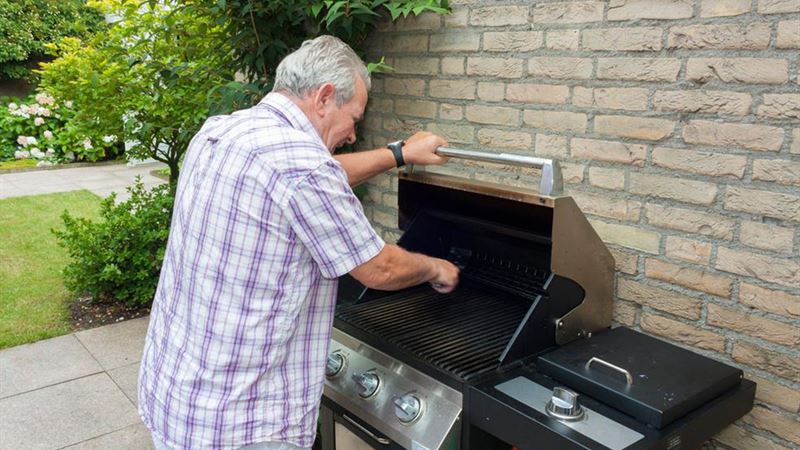
When selecting a gas grill to elevate your outdoor cooking experience, understanding the key features and considerations is essential. A well-designed gas grill provides not only convenience but also remarkable performance, ensuring your meals are cooked evenly and with fantastic flavor. Whether you're a seasoned grill master or a casual weekend griller, knowing what to look for helps you make an informed decision. This comprehensive guide covers important aspects such as burner configuration, heat distribution, safety features, durability, maintenance, and brand reliability, aimed at helping you find the best gas grill suited to your lifestyle and culinary preferences.
One of the primary factors to consider is the number of burners available. Grills equipped with multiple burners—usually two or more—offer superior heat control, enabling you to cook different types of food at varying temperatures simultaneously. This flexibility allows for better management of indirect and direct heat zones, leading to more consistent results. For example, you can sear steaks over high heat while slowly roasting vegetables or buns over lower heat, without the need for multiple grills. The placement and size of these burners can significantly impact cooking performance, so it’s advisable to select models with thoughtfully arranged burner systems.
Uniform heat distribution across the cooking surface is another critical aspect. A high-quality gas grill ensures even heating, preventing hot spots that could burn or unevenly cook your food. Good design in this regard not only improves cooking results but also extends the lifespan of your grill because uneven heating can cause stress and damage over time. When evaluating various models, look for features such as cast iron or stainless steel burners, flame tamers, or heat shields that promote consistent temperature across the entire grilling area.
Flare-ups are inevitable when cooking with gas; however, some modern grills come equipped with specialized flare-up control systems. These safety and flavor-enhancement features are designed to minimize or control flare-ups, which occur when dripping fats ignite. Rather than a disruptive flame, these systems convert flare-up episodes into aromatic smoke, adding a layer of smoky flavor to your dishes without risking food or grill damage. Such innovations can elevate your grilling experience by ensuring safety and enhancing taste.
Durability and construction quality are fundamental when selecting a gas grill. A sturdy, well-built appliance is less likely to wobble or develop structural issues after a few uses. Look for grills made with corrosion-resistant materials such as stainless steel or heavy-duty powder-coated steel. Proper construction not only enhances stability but also extends the lifespan of the product, especially for outdoor models exposed to the elements. A solid design also indicates attention to detail, which often correlates with overall performance and safety.
Maintenance is an often-overlooked aspect yet remains vital for longevity and optimal performance. Regularly cleaning the burners, grates, and drip trays prevents grease buildup and rust formation. Many manufacturers include detailed cleaning instructions and recommend using specific tools or products. Additionally, choosing a grill with accessible parts and clear maintenance guides makes upkeep easier. Maintaining your grill properly ensures consistent cooking quality and helps avoid costly repairs.
Customer support and brand reputation play significant roles in your buying decision. Reliable brands generally offer comprehensive warranties, readily available replacement parts, and responsive customer service. Checking if the manufacturer provides toll-free helplines or online support can save you time and frustration if issues arise. Before purchasing, research reviews and feedback to determine the company's commitment to customer satisfaction and after-sales service. This due diligence can prevent future headaches and guarantees you a dependable grilling companion.
Finally, consider your specific needs and space constraints when choosing a gas grill. Compact models are suitable for smaller patios or balconies, while larger, multi-burner grills are ideal for family gatherings or frequent entertaining. Features such as side burners, rotisseries, and integrated thermometers can expand your cooking possibilities. Don’t forget to evaluate your budget in relation to the desired features, ensuring you find a model that balances value, performance, and durability.
In conclusion, selecting the right gas grill requires careful attention to features like burner configuration, heat stability, safety systems, construction quality, maintenance ease, and manufacturer support. A thoughtfully chosen grill not only enhances your cooking experience but also provides years of reliable service and delicious results. Whether you aim to host backyard barbecues or enjoy simple weekend grilling, investing in a quality gas grill will significantly improve your outdoor culinary adventures. Happy grilling!