
Ultimate Guide to Selecting the Ideal Portable Sawmill for Your Woodworking Needs
Discover a comprehensive guide on selecting the perfect portable sawmill, tailored to your woodworking, farming, or logging needs. Learn about capacity, power options, design features, budget planning, safety tips, and maintenance strategies to maximize your investment. Whether you're a beginner or experienced user, this detailed article offers invaluable insights to help you choose, operate, and maintain a reliable portable sawmill. Enhance your timber processing efficiency today with expert advice on equipment selection and safeguards for long-term success.
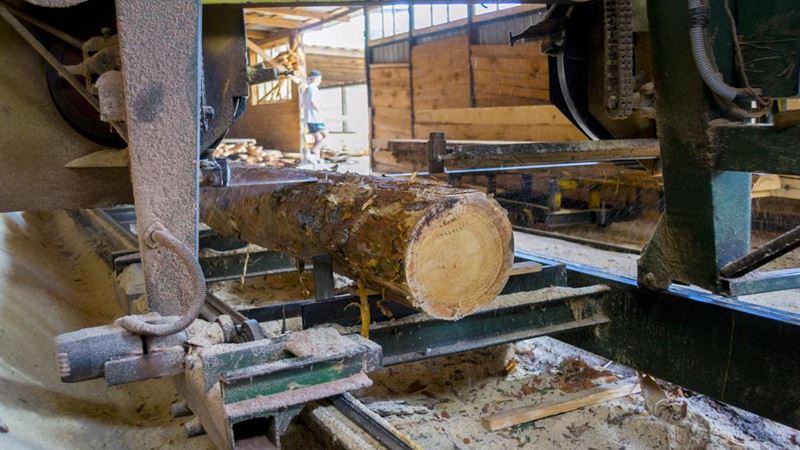
Choosing the right portable sawmill is essential for anyone involved in woodworking, logging, or farm-based timber processing. With a wide variety of models available, understanding the key factors that influence your purchase can save you time, money, and effort. Portable sawmills are powered by different sources such as gasoline, electricity, or diesel, providing flexibility based on your operational preferences and location. Whether you're a hobbyist or running a small-scale business, picking a sawmill that matches your specific needs ensures efficiency and safety.
Our comprehensive guide explores crucial aspects to consider when selecting a portable sawmill, including capacity, power source, design, mobility options, and budget constraints. From initial assessment to maintenance tips, this article will help you make an informed decision, ensuring your investment delivers reliable performance for years to come.
Assessing Your Cutting Needs
Before choosing a portable sawmill, it’s vital to evaluate the types of logs you plan to process, their sizes, and the intended output. The diameter and length of the logs play a pivotal role in determining the capacity your sawmill must have. Smaller, farm-scale projects might only require a compact model capable of handling logs up to 16 inches in diameter, whereas larger projects dealing with thick timber may need equipment that can handle logs exceeding 36 inches.
Understanding the raw material characteristics, such as wood species and grain patterns, also influences sawmill selections. Hardwoods like oak or maple demand robust blades and more powerful engines, while softer woods like pine can be milder on equipment.
Power Source and Operation Ease
Portable sawmills can be powered by various energy sources, each with their advantages:
- Gasoline Engines – Offer mobility and independence from electrical outlets, ideal for remote locations.
- Electric Motors – Provide quieter operation and lower maintenance, suitable where electricity is accessible.
- Diesel Engines – Suitable for heavy-duty use with higher power demands but typically heavier and more expensive.
Choosing the right power source depends on your availability of fuel, convenience, and the scale of your operations.
Design, Capacity, and Mobility
Sawmill designs vary in size, capacity, and features. Capacity is generally measured in board feet per hour or per day, with models ranging from 800 to over 4000 board feet in an 8-hour shift. Larger capacity machines are suitable for commercial operations, while smaller ones are perfect for hobbyists or small farms.
Mobility features such as wheels, skids, or detachable frames make transportation and setup easier. Some models are fully portable with towing packages, while others may require a trailer or truck for movement.
Budget and Cost Considerations
Cost is a significant factor when selecting a portable sawmill. Entry-level models can be quite affordable but may lack some advanced features. Mid-range models strike a balance between price and functionality, suitable for most small-scale wood processing needs.
If budget constraints are tight, purchasing used equipment can be a viable option, provided you thoroughly inspect its condition and functionality. Always buy from reputable dealers who can provide comprehensive details about the machinery's history and features.
Additional Features and Accessories
Look for features that enhance safety and efficiency, such as hydraulic log lifts, adjustable blade heights, and sturdy frames. Accessories like log clamps, material rollers, and dust collection systems improve operation comfort and output quality.
Operational Ease and Training
If you are new to operating portable sawmills, seek out demonstrations and training sessions from vendors. Proper operation not only prolongs equipment lifespan but also ensures safety during use. Many dealers offer training programs, either in person or through online modules, to help beginners learn the ropes effectively.
Maintenance and Longevity
Regular maintenance is crucial for optimal performance. This includes sharpening or replacing blades, checking hydraulic systems, lubricating moving parts, and inspecting engine components. Keeping records of maintenance schedules and repairs can extend the life of your sawmill and reduce downtime.
Storage and Transportation
Effective storage solutions help protect your investment when not in use. Garages, barns, or dedicated sheds are suitable for storing stationary or semi-portable sawmills. For truly portable models, ensure you have proper transportation arrangements, such as trailers designed for machinery, to facilitate easy relocation.
Safety Precautions
Operating a portable sawmill involves inherent risks. Always adhere to safety guidelines, wear protective gear, and ensure proper training before use. Check your equipment regularly for potential hazards, such as blade wear or hydraulic leaks, and address issues promptly to prevent accidents.
Final Tips for Making an Informed Purchase
- Assess your specific project needs and select a model with appropriate capacity and features.
- Compare different brands and models, focusing on reliability, user reviews, and dealer support.
- Consider future expansion or increased capacity to accommodate growing needs.
- Invest in quality and safety features to ensure smooth operation and longevity.
- Consult with experienced users and dealers for insights and recommendations.
By following these guidelines, you’ll be equipped to choose a portable sawmill that aligns with your woodworking goals, budget, and operational environment. Proper selection and maintenance will not only improve your productivity but also enhance safety and enjoyment during your woodworking projects.