
Comprehensive Guide to Selecting the Perfect Portable Sawmill for Your Needs
Choosing the right portable sawmill requires careful analysis of your operational needs, budget, and market considerations. This comprehensive guide covers key questions, cost factors, maintenance tips, and purchasing advice, including both new and used options, to help you make an informed decision and maximize your investment in timber processing equipment.
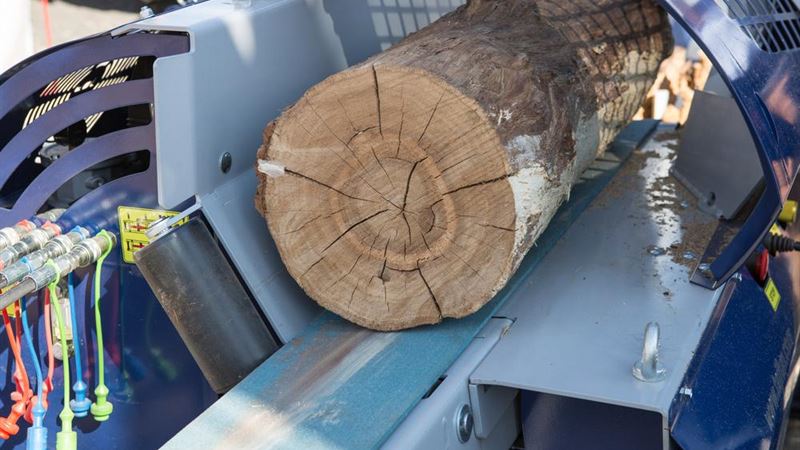
Navigating the world of portable sawmills can be challenging without proper knowledge. The key factor in choosing the right sawmill lies in understanding the operational size that suits your specific needs. Whether you are an individual woodworker or a business proprietor, asking the right questions helps ensure you select equipment that aligns with your goals. Below are essential considerations to help guide your decision-making process.
- What is the primary purpose of the sawmill? Are you processing wood for personal use or for commercial sales?
- Will the sawmill be used part-time as a hobby or full-time as a business venture?
- What volume of logs do you plan to process regularly? Are you aiming for small-scale or large-scale operations?
By evaluating these questions thoroughly, you can determine the appropriate size and type of portable sawmill that fits your budget and project requirements. Making an informed choice minimizes investment risks and maximizes productivity.
For personal or hobbyist use, investing in a simple, budget-friendly portable sawmill offers a practical and cost-effective solution. Such models are inexpensive, easy to operate, and sufficient for infrequent projects. They allow you to enjoy woodworking without a significant financial outlay, making them suitable for beginners or casual users.
For entrepreneurs aiming to establish a sawmilling business, financial planning becomes more complex. These individuals should consider potential tax benefits, such as deductibility of expenses and machinery depreciation. Upgrading to advanced models can improve sawing efficiency and enable processing larger logs rapidly, thus increasing throughput and profitability.
Once your sawmilling enterprise is operational, regular financial monitoring is vital. Tracking revenues against expenses reveals your profit margins and growth potential. Profitable operations can fund expansion plans, including purchasing high-end, automated sawmill equipment. This, in turn, unlocks new market opportunities, such as custom sawing services and direct lumber sales.
When selecting a portable sawmill, several other factors deserve attention:
- Do you possess high-value or exotic wood that requires careful handling?
- Is there access to markets where you can sell the processed lumber profitably?
- Do you have prior experience or technical knowledge about sawmilling?
- What are the expected maintenance costs and how frequently will the machine require servicing?
- How much time will you need to dedicate to routine maintenance and repairs?
- Do you have adequate storage solutions for logs and finished lumber?
Attending live demonstrations of various portable sawmill models is highly recommended. Seeing the equipment in action provides insights into their functionalities and helps assess user-friendliness. It also allows you to ask specific technical questions about operation and maintenance routines.
For budget-conscious buyers, purchasing used portable sawmills can be a wise investment. These units often offer excellent value when bought from reputable dealers, provided they are thoroughly inspected for condition and functionality. Always verify the condition of critical components before making a purchase.
Conducting comprehensive research is essential before finalizing your purchase. Carefully compare features, prices, and reviews to ensure you select a sawmill that delivers optimal performance and returns. Remember, the right equipment can significantly boost your productivity and profitability in the woodworking and lumber industry.