
Comprehensive Guide to Repairing a Clogged Toilet: Tips, Costs, and Solutions
This comprehensive guide covers everything you need to know about fixing a clogged toilet. Learn about common causes, DIY solutions, professional repair costs, licensing tips for choosing a plumber, and preventive measures. Whether you're dealing with a minor clog or a major blockage, this article offers practical advice to keep your bathroom flowing smoothly, saving you money and frustration. Proper maintenance and timely action are key to long-lasting plumbing health, making your household environment healthier and more comfortable.
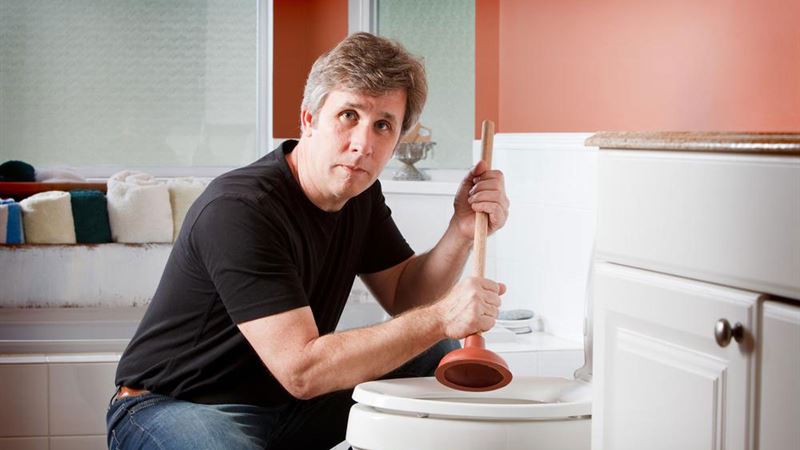
Maintaining a smooth-functioning bathroom is essential for everyday comfort and hygiene. A common issue homeowners face is a clogged toilet, which can disrupt daily routines and cause unnecessary stress. Understanding how to handle these situations effectively can save time and money. This guide provides in-depth insights into recognizing the causes of toilet clogs, cost estimates for professional repairs, DIY solutions, and how to choose reliable plumbing services. Being prepared and informed can help you prevent minor issues from escalating into major repairs.
Addressing a clogged toilet promptly is vital to prevent water damage or sanitation problems. While some clogs require professional intervention, many can be resolved with simple yet effective DIY methods. However, if the problem persists, hiring an experienced plumber becomes necessary. Choosing the right service provider involves understanding licensing, pricing, and guarantees, ensuring you receive quality workmanship and avoid unnecessary expenses. Additionally, learning about preventive measures can reduce the frequency of future blockages, keeping your bathroom functioning smoothly.
Common causes of toilet clogs include excessive toilet paper use, flushing non-flushable items, or buildup of mineral deposits in pipes. Recognizing early signs such as slow drainage or gurgling sounds allows homeowners to act swiftly before the problem worsens. In terms of costs, professional plumbers typically charge a flat call-out fee, which can be around $150 for a quick diagnosis and repair. Emergency services may come with higher rates, especially during odd hours. Material costs for replacement parts can add to the final bill, sometimes constituting up to a quarter of the total cost. To avoid overspending, seek service providers who offer guarantees on their work and flexible maintenance plans.
When selecting a plumbing professional, ensure they are licensed, insured, and experienced. Use trusted sources like reputable plumbing companies, hardware stores, or personal recommendations rather than random listings in the Yellow Pages. Proper credentials provide peace of mind, knowing that the technician is trained to handle modern plumbing systems and adheres to current building codes. Unlicensed workers may not carry the necessary insurance, exposing you to potential liabilities if accidents occur during repairs. Always ask to see valid licenses and insurance certificates before agreeing to any work.
For those inclined toward DIY solutions, many minor toilet clogs can be managed without professional help. Basic tools like a plunger often do the trick if used correctly. Other effective methods include pouring hot water with dish soap into the bowl, or loosening the pipe connections to clear out obstructions. Nevertheless, caution is essential—if DIY attempts fail or if the clog recurs frequently, it’s wise to consult a professional to diagnose underlying issues.
Timing is also crucial in managing plumbing emergencies. Mondays tend to be particularly busy for plumbers, as weekend mishaps often require urgent attention. It’s advisable to avoid calling for emergency services if your clog isn’t causing water to overflow or lead to sanitation hazards, especially if you can wait a day or two. Not only can this save you substantial costs associated with emergency call-outs, but it also helps plumbers allocate resources to the most critical cases, reducing wait times for urgent repairs.
Prevention strategies are equally important to maintain healthy plumbing systems. Regular inspections, avoiding flushing non-flushable materials, and using enzymatic cleaners can help prevent buildup and blockages. Installing a quality toilet that matches your household’s needs and usage patterns contributes to fewer plumbing issues. Routine maintenance coupled with prompt action at the first sign of trouble can prolong the life of your toilet and piping system, making your bathroom a trouble-free zone.
In conclusion, tackling a clogged toilet effectively requires a combination of knowledge, timely intervention, and choosing the right professionals. By understanding the causes, costs, and DIY options, homeowners can make informed decisions that save money and prevent future problems. Regular maintenance and good usage habits are the best defenses against recurring blockages. Remember, addressing minor issues early prevents them from escalating into costly repairs, ensuring your bathroom remains a clean, hygienic, and fully functional space.