
The Ultimate Guide to Choosing the Perfect Drain Cleaner for Your Home
Discover expert tips on selecting the best drain cleaner for your home, considering efficiency, safety, and environmental factors. Learn about different types of cleaners, key considerations, and when to call professionals to keep your plumbing system in top shape, preventing costly repairs and ensuring smooth drainage now and in the future.
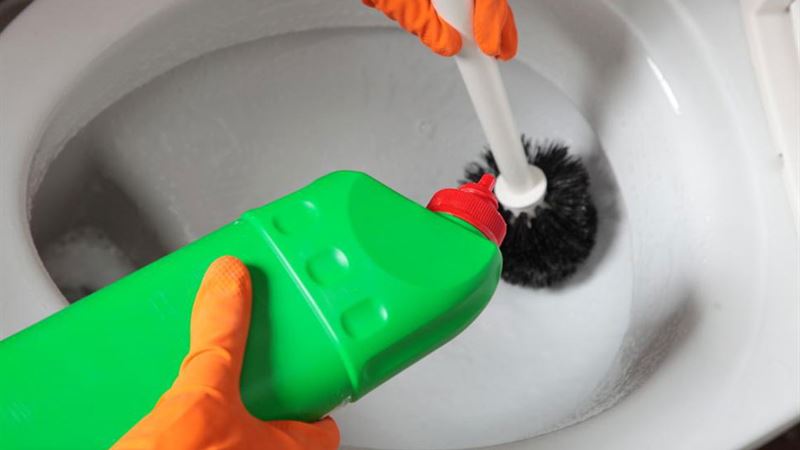
Clogged drains are a common household nuisance that can disrupt daily activities and cause unpleasant odors. Selecting the right drain cleaner is essential to maintain efficient plumbing and prevent costly repairs. With a plethora of products available in the market, making an informed choice can seem overwhelming. This comprehensive guide provides detailed insights into how to choose the best drain cleaner tailored to your household needs, durability, safety, and budget considerations.
Understanding Common Drain Blockages
Before diving into product options, it's important to understand what causes drain blockages. Most household clogs arise from organic materials such as hair, grease, soap scum, food particles, and accumulations of dirt. Over time, these substances adhere to the pipe walls, narrowing flow pathways and causing backups. Recognizing the nature of the blockage helps determine the most suitable cleaning method and product.
Types of Drain Cleaners and Their Uses
Drain cleaners typically fall into three categories: chemical-based, enzymatic, and mechanical tools.
- Chemical Drain Cleaners: These products contain powerful chemicals like caustic soda, sulfuric acid, or drain-opening agents designed to dissolve organic matter quickly. They are effective for stubborn blockages but should be used with caution due to their corrosive nature.
- Enzymatic Cleaners: These are eco-friendly options that utilize enzymes and bacteria to break down organic waste gradually. They are safe for pipes and sewage systems and are ideal for regular maintenance, especially in sensitive plumbing systems.
- Mechanical Tools: Tools like drain snakes, plungers, and augers physically remove blockages. They are useful for minor or stubborn clogs and do not involve chemical reactions, making them safe alternatives.
Key Factors to Consider When Choosing a Drain Cleaner
1. Effectiveness Against Different Blockages
Assess the type of clog you're facing. For organic blockages like hair and grease, enzymatic or mild chemical cleaners may suffice. For more stubborn or jammed food items, stronger chemical agents or mechanical tools might be required.
2. Chemical Composition and Safety
Always check the ingredients. Organic, biodegradable drain cleaners are preferable for households concerned about chemical exposure, especially in kitchens and bathrooms. Read safety warnings carefully to avoid personal injury and damage to plumbing systems.
3. Cost and Budget
Drain cleaner prices vary significantly. While expensive products often claim to be more powerful, effectiveness isn't solely dependent on cost. Evaluate product reviews, brand reputation, and specific needs rather than price alone.
4. Brand and Reviews
Do thorough research by reading customer reviews and trying out different brands. Reputable brands with positive feedback are generally more reliable, although lesser-known products may offer better value.
5. Compatibility with Your Plumbing System
If you have older or fragile pipes, avoid using concentrated chemical cleaners. These can corrode or damage aging pipes. In such cases, consult a professional plumber for safe, effective cleaning options.
Recommendations for Safe and Effective Use
Follow manufacturer instructions meticulously for safety and optimal results. Never mix different drain cleaners, as this can produce dangerous chemical reactions. Use protective gear, such as gloves and goggles, when handling harsh chemicals. Regular maintenance using enzymatic cleaners can prevent major blockages, reducing the need for aggressive chemical treatments.
When to Call a Professional Plumber
If home remedies and store-bought cleaners fail to clear the blockage, or if you're unsure about the severity of the problem, it’s best to seek professional help. Persistent clogs might indicate underlying pipe issues requiring specialized equipment and expertise.
Conclusion
Choosing the right drain cleaner is crucial for maintaining a healthy, efficient plumbing system in your home. Consider the type of blockage, safety features, environmental impact, and your budget. Regular maintenance, combined with the proper choice of product, can prevent costly repairs and keep your drainage system flowing smoothly.