
Ultimate Guide to Maintaining Clean Drain Pipes: Tips to Prevent Clogs and Ensure Plumbing Longevity
Discover comprehensive tips and expert strategies to keep your drain pipes clean, prevent clogs, and extend the lifespan of your plumbing system. From DIY methods like baking soda and hot water flushes to professional inspections, this guide covers everything you need for healthy, clog-free drains. Learn how to avoid common mistakes, use natural cleaners, and implement preventive measures to ensure smooth water flow throughout your home. Regular maintenance and smart waste disposal will save you money and keep your household environment safe and hygienic.
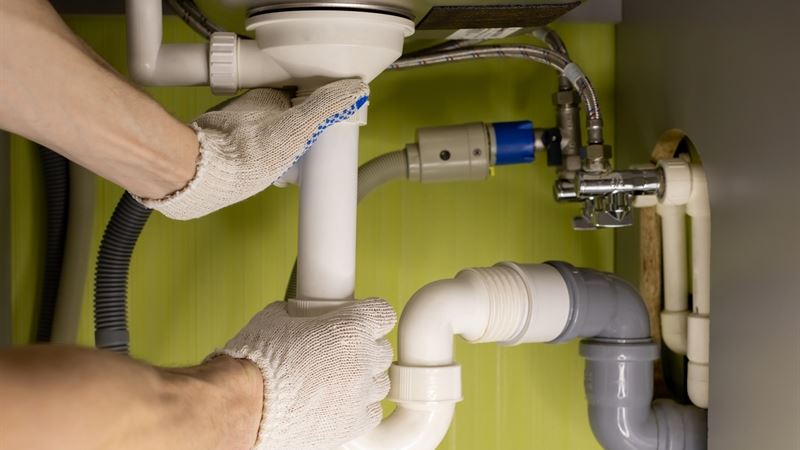
**In-Depth Strategies for Keeping Drain Pipes in Optimal Condition**
1. Implement Drain Strainers and Traps to Capture Debris
One of the most effective and straightforward approaches to prevent debris from entering your plumbing system is by installing high-quality drain strainers or traps. These devices act as barriers, catching large particles like hair, food scraps, soap scum, and debris before they can cause damage or form clogs inside the pipes. Ensuring these are properly fitted and regularly emptied significantly reduces buildup and prolongs the lifespan of your drains. Maintenance involves periodic removal of accumulated material, typically weekly or bi-weekly, depending on use. Doing so prevents overflow issues and maintains optimal drainage efficiency.
2. Refrain from Pouring Fats, Oils, and Grease (FOG) Down Drains
Fats, oils, and grease are notorious for causing severe blockages in kitchen plumbing. When hot fats are poured into the drain, they cool down and solidify, adhering to the inner walls of pipes and gradually narrowing the passageway. Over time, such deposits lead to persistent clogs, slow drainage, or complete blockages. To prevent this, dispose of fats and oils in a sealed container and toss them into the trash, or consider safe recycling options. Using biodegradable strainer bags or paper towels to wipe off excess grease can further reduce the likelihood of buildup.
3. Consistent Use of Hot Water Flushing
Periodic flushing with hot water is a simple yet highly effective way to maintain clear pipes. Hot water helps dissolve soap scum, grease, and other residues that tend to cling to pipe walls. For best results, run hot water through your drains at least once a week for several minutes. This practice prevents accumulation, keeps water flowing freely, and minimizes the need for chemical cleaners or professional interventions. For added effectiveness, follow hot water flushes with a natural cleaning solution.
4. Employ Natural Cleaners: Baking Soda + Vinegar
A natural, non-toxic method for maintaining drain health involves the use of baking soda and vinegar. When combined, these substances produce a fizzing reaction that helps break down organic matter, eliminate odors, and prevent minor clogs. To use, pour half a cup of baking soda directly into the drain, followed by half a cup of vinegar. Cover the drain to contain the reaction, and after 15-20 minutes, flush with hot water. Repeat this process monthly for ongoing prevention and odor control.
5. Proper Use of Garbage Disposals for Food Waste
Garbage disposals are convenient appliances that reduce food waste but require proper operation to prevent damage. Avoid disposing of fibrous vegetables, bones, pasta, or large quantities of food at once, as these can jam the motor or cause buildup in pipes. Always run cold water during disposal and for a few seconds afterward to ensure efficient breakdown of food particles and reduce residue in the plumbing system. Regularly cleaning your disposal with citrus peels or vinegar helps reduce odors and buildup. When in doubt, consult manufacturer guidelines for optimal use.
6. Mechanical Clearing Using a Plunger
The classic plunger remains an essential plumbing tool for addressing stubborn clogs. Proper technique involves creating a tight seal around the drain opening and plunging vigorously to generate pressure that dislodges blockages. For best results, ensure there is enough water in the fixture to cover the plunger’s cup, and use a consistent, forceful motion. If plunging doesn’t work, it may be necessary to use other tools or contact a professional plumber for advanced solutions.
7. Utilizing Wet/Dry Vacuum for Drain Clearing
A wet/dry vacuum can be an effective method to remove debris from drains, especially for minor or partial blockages. To do this, secure the vacuum hose tightly around the drain, switch it to liquid mode, and carefully suck out the clog or buildup. This method is safe, chemical-free, and immediate, making it suitable for household use. Be sure to wear gloves and protective gear, as cleaning drains can involve exposure to bacteria or residual materials.
8. Risks of Harsh Chemical Drain Cleaners
Though tempting, chemical drain cleaners should be used sparingly due to their corrosive nature. Many contain strong acids or alkalis that can erode pipe material, weaken joints, and cause leaks over time. Prolonged or frequent use can lead to costly repairs. For persistent clogs, natural remedies like baking soda and vinegar or professional services are safer options. If chemical cleaners are necessary, always follow manufacturer instructions, wear protective gloves, and ensure proper ventilation.
9. Scheduling Routine Professional Plumbing Maintenance
Even with diligent DIY practices, periodic inspections and cleaning by licensed plumbers are essential to maintain the health of your plumbing system. Professionals can perform camera inspections, identify hidden damage or tree root intrusion, and thoroughly remove stubborn buildup. Regular maintenance prevents major issues, extends pipe lifespan, and ensures that plumbing fixtures work efficiently. It’s recommended to schedule a professional check-up annually or when recurring problems occur.
10. Be Mindful of What You Flush
Flushing proper materials—namely toilet paper and waste—is critical for avoiding blockages. Items like wipes (even labeled flushable), cotton swabs, feminine hygiene products, hair, and dental floss do not decompose easily and tend to cause major clogs. Always dispose of such items in the trash to protect your plumbing and prevent plumbing emergencies. Educating household members about responsible flushing goes a long way in maintaining a healthy drainage system.
**Preventive Steps for Long-Term Drain Health**
- Install fine mesh drain covers or screens to catch debris before entry.
- Avoid excessive use of chemical drain cleaners, instead opting for natural solutions.
- Schedule periodic professional inspections to detect issues early.
- Control waste disposal, limiting food scraps, paper products, and hair from entering the system.
Consistent maintenance and awareness can dramatically reduce clogging incidents, extend the lifespan of your plumbing, and keep your household running smoothly. By combining simple DIY tactics with professional service, you ensure your drains remain clean, odor-free, and functional for years to come. Acting proactively today will save you both time and money in repairs tomorrow, and promote a healthier, safer home environment.