
The Ultimate Guide to Selecting the Ideal Table for Your Space
Discover comprehensive tips to choose the perfect table for your space, considering size, material, design, and budget. Learn how to match your needs with durable and stylish options for home or office use to ensure a smart, lasting purchase.
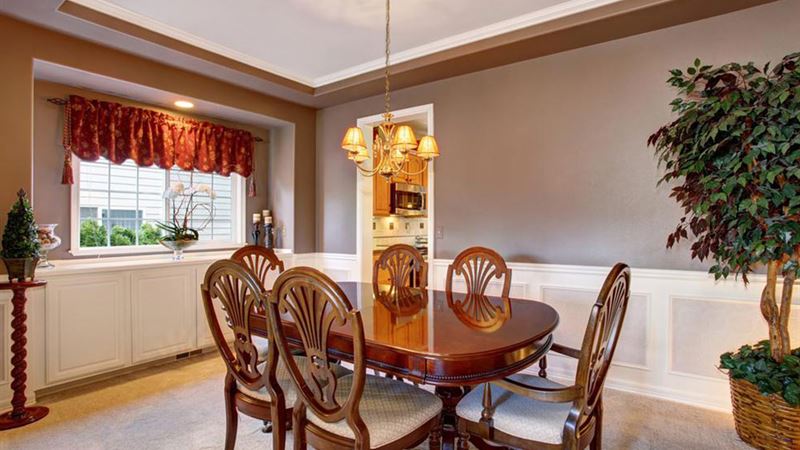
Choosing the perfect table is an important decision that can significantly enhance your living or working space. Whether you're furnishing a new home, upgrading your dining area, or setting up an outdoor patio, selecting the right table involves careful consideration of various factors. While a beautiful table can add aesthetics to your environment, functionality and durability are equally crucial to ensure that your investment serves you well over time.
Many people often fall into the trap of purchasing tables that look stunning but fail to meet practical needs, leading to dissatisfaction and wasted money. To avoid such mishaps, it's essential to understand your specific requirements, preferences, and budget constraints before making a purchase. This comprehensive guide aims to walk you through the key aspects to consider, ensuring you end up with a table that perfectly matches your space, style, and lifestyle.
Understanding Your Needs Before Buying a Table
The first step in choosing the right table is clear identification of your needs. Ask yourself questions like: What purpose will the table serve? Is it to be a dining table, a work desk, a coffee table, or an outdoor dining solution? Knowing the primary function helps determine the size, shape, and material of the table.
If you're purchasing for a dining area, consider the number of people typically seated and the space available. For outdoor tables, durability against weather conditions becomes important. For a workspace, ergonomic comfort and surface area are key considerations. Additionally, think about whether the table will replace an existing one or serve as a new addition to your décor.
Choosing the Right Size and Height
Size and height are critical factors that impact comfort and usability. The diameter or length of the table should comfortably accommodate its intended number of users without overcrowding. Typically, each person needs around 24 inches of space for comfortable seating. Be mindful of the room's dimensions to ensure the table fits well with surrounding furniture and allows for easy movement.
Height is equally important. Standard dining table heights are usually between 28 to 30 inches. For desks, the height can vary depending on ergonomic standards. Adjustable height tables are gaining popularity for their versatility, especially in multi-purpose areas. For outdoor or casual tables, the height may be more flexible but should still align with user comfort.
Design and Material Considerations
The aesthetic appeal of a table should complement your existing décor. Materials range from classic wood, modern glass, sturdy metal, to mixed media composites. Wooden tables add warmth and elegance, while glass tables can make a space look more open and contemporary. Metal tables offer durability and a sleek look, especially suitable for outdoor settings or industrial-themed interiors.
Think about maintenance and longevity. Wooden tables may require regular polishing, whereas metal and glass surfaces might be easier to clean. Consider foot traffic, usage frequency, and exposure to elements when choosing the material. Also, select a design that blends with your overall interior or outdoor space, whether minimalist, rustic, modern, or vintage.
Budget Planning and Cost-Effectiveness
Setting a budget helps narrow down options and prevents overspending. Tables come in a wide price range depending on size, material, craftsmanship, and brand. Decide how much you're willing to invest and explore options within that range. Remember, a higher price does not always guarantee better quality, so prioritize features that matter most to you.
Look for deals, discounts, and clearance sales, especially from reliable retailers. Sometimes, investing in a moderately priced, durable table provides better long-term value than cheaper, low-quality alternatives. Additionally, consider multifunctional or adjustable tables that can serve multiple purposes, offering better bang for your buck.
Features to Look For
When shopping for a table, focus on features that enhance usability and convenience. Folding tables and those with adjustable heights are excellent options for versatile use and space-saving. For outdoor settings, weather-resistant finishes and sturdy legs ensure longevity. Pedestal bases provide more legroom, making them suitable for banquet or conference settings.
Other features like protective coatings, stain resistance, and easy-to-clean surfaces contribute to ease of maintenance. In modern designs, integrated storage or modular components can add functionality. Always check weight capacity and stability, especially if you plan to place heavy items on the table.
Where to Shop for the Best Tables
Retailers specializing in furniture, big-box stores, and online marketplaces offer a wide range of options. Visiting a physical store allows you to test the table's weight, stability, and comfort firsthand. Online shopping provides extensive choices, detailed specifications, customer reviews, and often better prices.
Popular online platforms like Amazon, Wayfair, and IKEA have dedicated furniture sections with filters for size, material, and price. Custom furniture services allow you to design a table tailored to your exact specifications. Always check return policies, warranties, and customer reviews before making a purchase.
Final Tips for a Satisfactory Purchase
Take accurate measurements of your space before ordering. Ensure that the table's dimensions align with your available room to prevent overcrowding or awkward fit. Consider the overall style and ensure the new table matches or complements other furniture pieces.
Plan for delivery and setup logistics, especially for large or heavy tables. Once received, inspect the table carefully for any damages or defects. Proper maintenance and regular cleaning will extend the lifespan of your investment.
In conclusion, buying the perfect table requires a balance between style, function, size, and budget. By carefully evaluating your needs and preferences, researching options thoroughly, and considering long-term use and maintenance, you can select a table that not only looks great but also provides lasting value and utility for years to come.