
Comprehensive Guide to Identifying Common Insect Bites and Effective Treatments
This detailed guide helps you identify common insect bites such as bed bugs, spiders, mosquitoes, fleas, and flies. Recognizing symptoms early allows for proper treatment and reduces health risks associated with bites. Learn key signs, treatment tips, and when to seek medical help to ensure quick recovery from insect bites.
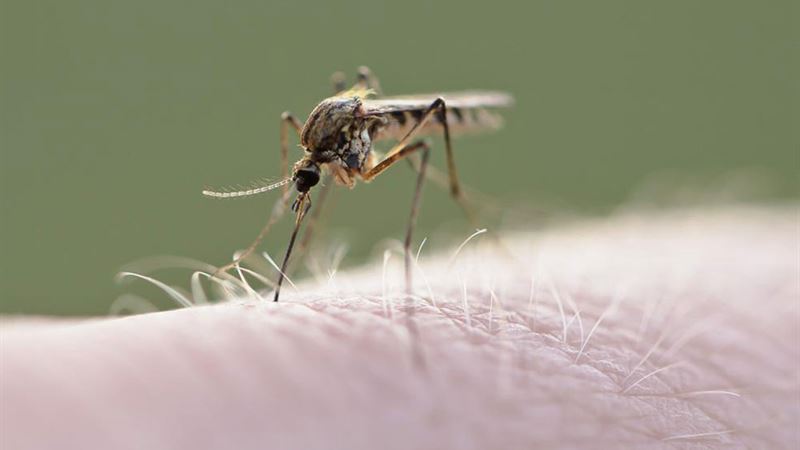
Experiencing an insect bite can be uncomfortable and concerning, especially if you're unsure about what type of insect caused it or how serious it might be. Recognizing the different signs and symptoms associated with various insect bites is essential for timely treatment and recovery. This extensive guide provides you with detailed information on common insect bites, including bed bugs, spiders, mosquitoes, fleas, and flies, along with indications for when to seek medical help. Learning to identify these bites accurately can help prevent complications and guide appropriate responses.
- Recognizing Bed Bug Bites: Bed bugs are tiny, elusive pests that feed on human blood mostly at night. Their bites typically appear as small red welts, which often cluster together or form a line. The bites might be mildly itchy or cause minor swelling. To confirm whether a bite is from a bed bug, examine sleeping areas carefully. Look for signs like dark spots or blood stains on sheets, tiny shed skins, or live bugs. Online images of bed bug bites can also aid in identification, showing characteristic patterns and appearances.
- Identifying Spider Bites: Spider bites can vary significantly based on the species. Common symptoms include sharp pain, redness, swelling, and sometimes the formation of blisters or ulcers at the bite site. Notably, some spider bites, like those from a recluse or black widow, might cause more severe reactions, including muscle pain, fever, or necrosis. Key indicators include two tiny puncture marks and surrounding redness. If you experience symptoms such as cramping, excessive sweating, or headaches after a spider bite, seek medical attention promptly.
- Mosquito Bite Symptoms: Mosquito bites are typically easy to recognize. The initial response includes an itchy, raised bump that can turn red and swollen. Multiple bites in the same area may lead to increased swelling and discomfort. The itching sensation often intensifies over hours, accompanied by a burning feeling. In some cases, mosquito bites can transmit illnesses like dengue or malaria, so monitoring for additional symptoms such as fever or body aches is prudent.
- Flea Bite Indicators: Flea bites commonly occur around the lower legs, ankles, and feet. The bites present as small, red bumps with a reddish halo, often accompanied by intense itching. Fleas tend to bite multiple times, leading to clusters of bites in a localized area. Households with pets are at higher risk, as fleas can latch onto animals and spread to humans. Recognizing flea bites early and treating pets and home environments can effectively control infestations.
- Fly Bite Characteristics: Various flies such as sand flies, tsetse flies, and deer flies are known to bite humans. Their bites typically manifest as painful red bumps or blisters over the affected areas. These bites often cause an itching and burning sensation and can become infected if scratched excessively. Because flies feed on blood, their bites are persistent and may lead to secondary bacterial infections without proper care. Prevention includes avoiding swarming areas and using protective clothing or repellents.