
Comprehensive Guide to Recognizing and Identifying Common Insect Bites
This comprehensive guide details how to identify common insect bites like bed bugs, spiders, mosquitoes, fleas, and flies. It includes visual descriptions, symptoms, and tips for prompt treatment, helping you accurately recognize and respond to insect bites to prevent complications.
Experiencing an insect bite can be alarming, and distinguishing between different types of bites is crucial for effective treatment. This extensive guide provides detailed descriptions, visual cues, and symptoms associated with common insect bites such as bed bugs, spiders, mosquitoes, fleas, and flies. Recognizing these signs promptly can help you seek appropriate medical care and prevent complications. Whether you're dealing with bites at home, during outdoor adventures, or in urban settings, understanding the unique features of each bite type is key to ensuring proper treatment and peace of mind.
- Identifying Bed Bug Bites: Bed bugs are nocturnal pests that feed on human blood typically during the night. Their bites often appear as small, itchy welts arranged in lines or clusters on exposed skin. Physically, bed bug bites are characterized by swollen red bumps with a dark central spot, frequently found on areas like the arms, shoulders, neck, or face. You can identify these bites by comparing them with online images of bed bug bites, which often show a distinctive pattern and size. Bed bug infestations can result in persistent itching and skin irritation, necessitating prompt investigation and eradication measures.
- Recognizing Spider Bites: Spider bites can vary in severity depending on the species. The most common signs include the formation of a blister at the bite site, often developing into an ulcer or sore. Two pinpoint puncture marks may be visible, indicating the fang entry points. Symptoms such as pain, redness, swelling, and itching are typical. In some cases, bites from spiders like the recluse can cause systemic reactions such as muscle cramps, headaches, sweating, and purplish skin discoloration. If you suspect a spider bite, especially from a venomous species, seek medical attention promptly for assessment and treatment. Visual identification through photographs can be helpful in determining the type of spider involved.
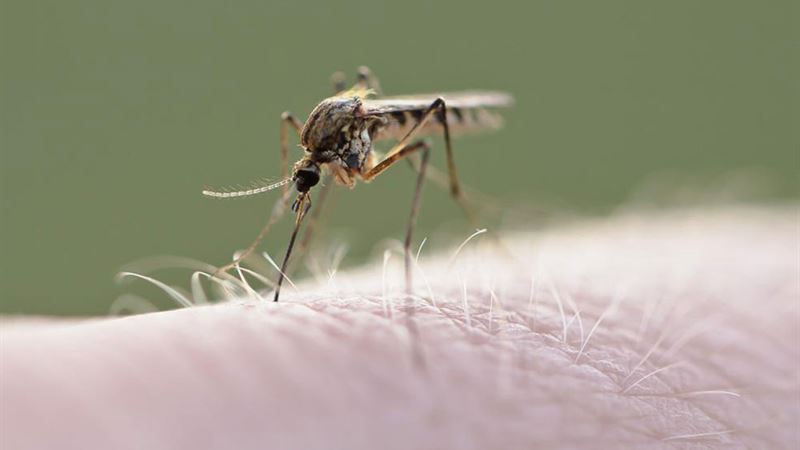
- Mosquito Bites: Mosquito bites are among the most common insect bites globally. The initial reaction involves intense itching and the appearance of small, raised bumps that become swollen and red. After a bite, multiple bites can occur in the same area, leading to a cluster of itchy, hardened bumps. The bites may also be accompanied by a slight burning sensation. Mosquito bites can transmit diseases like malaria, dengue, and Zika, making prompt treatment and preventive measures essential. A key visual cue is the round, puffy nature of the bumps, which tend to develop quickly after being bitten.
- Flea Bites: Fleas are tiny insects that primarily target lower extremities like feet and ankles. Their bites often cause immediate itching and redness. The hallmark sign is a red bump surrounded by a reddish halo, often arranged in clusters or lines. Flea bites are intensely itchy and can lead to skin infections if scratched excessively. They are common in homes with pets or infested carpeting. Recognizing flea bites involves inspecting the skin and surroundings for signs of fleas or their feces. Early detection and treatment of flea infestations are vital for preventing recurrent bites and skin complications.
- Fly Bites: Several types of flies, including sand flies, tsetse flies, and deer flies, are capable of biting humans. Their bites typically result in red bumps or blisters, which are often painful and prone to infection. These flies are prevalent in outdoor environments, especially in warm, humid areas. Physical signs include painful, swollen bites that may become infected if not properly cared for. The bites can also cause itching and discomfort, prompting the need for cleaning and topical treatments. Recognizing these bites quickly can help prevent secondary infections and reduce discomfort during outdoor activities.