
Comprehensive Guide to Managing and Treating Eye Conditions
This comprehensive guide provides detailed insights into common eye conditions such as cataracts, glaucoma, and dry eyes. It emphasizes the importance of early detection, available treatments, and home prevention strategies like proper nutrition, sunglasses use, quitting smoking, and regular exercise. By following professional advice and adopting healthy habits, you can safeguard your vision and maintain optimal eye health throughout your life.
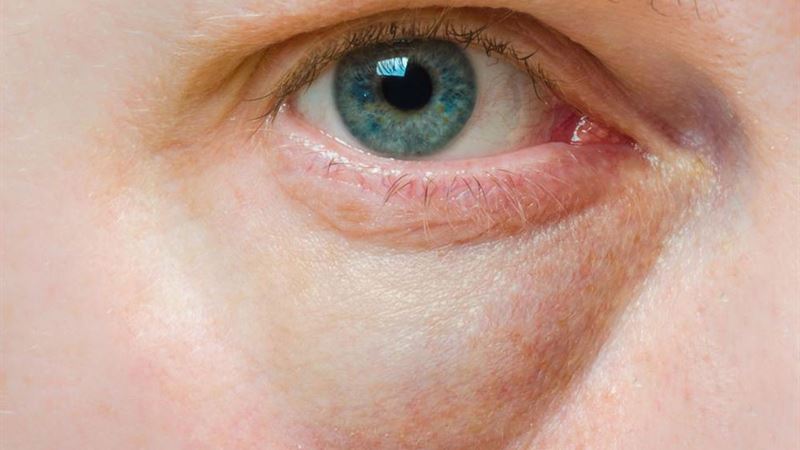
- Cataracts
One of the most prevalent eye issues affecting millions worldwide is cataracts. This condition involves the clouding of the eye’s natural lens, leading to increasingly blurry vision. While early-stage symptoms can often be alleviated with the use of brighter lighting, updated prescription glasses, or magnifying devices, advanced cases typically necessitate surgical intervention. In cataract surgery, the clouded lens is carefully removed and replaced with an artificial intraocular lens, restoring clear sight and significantly improving quality of life. This procedure is widely regarded as safe, effective, and outpatient, making it accessible to most patients. Advances in surgical techniques have enhanced recovery times, reduced complications, and increased success rates. Maintaining regular eye exams is crucial for early detection, especially as cataracts tend to develop gradually over time. Effective management and timely surgical treatment can prevent vision loss from progressing further and allow individuals to resume their daily activities without hindrance. - Glaucoma
Glaucoma is a group of eye conditions characterized by damage to the optic nerve, which can lead to irreversible blindness if not diagnosed and treated promptly. The primary cause often involves increased intraocular pressure (IOP), although some forms of glaucoma can occur with normal IOP levels. It is often called the 'silent thief of sight' because early stages might not present noticeable symptoms. Over time, untreated glaucoma results in progressive peripheral vision loss, eventually affecting central vision. Fortunately, various treatment modalities are available to slow or halt the progression of the disease. Medical options include topical eye drops designed to lower eye pressure; oral medications may also be prescribed in certain cases. Laser therapy techniques, such as trabeculoplasty, help improve aqueous humor drainage to reduce IOP. Traditional surgical procedures, like trabeculectomy, may be necessary when other treatments are ineffective. Regular screening and eye health examinations are essential for early detection, especially for those with risk factors like family history, age, or certain medical conditions such as diabetes or hypertension. Managing glaucoma proactively preserves vision and prevents the need for more invasive interventions.
- Dry Eyes Syndrome
Dry eyes syndrome is a common condition resulting from inadequate tear production or poor tear quality, causing discomfort, irritation, and vision disturbances. Factors contributing to dry eyes include aging, environmental conditions, prolonged screen time, medications, hormonal changes, and underlying health issues. When the eyes lack sufficient lubrication, they may feel gritty, stinging, burning, or fatigued. Treatment options vary depending on severity and underlying cause. Over-the-counter artificial tears and lubricating eye drops can provide immediate relief. Prescription medications such as cyclosporine eye drops can help increase tear production. In some cases, procedures like punctal plugs are inserted to block tear drainage and retain moisture. Nerve stimulation devices or therapies aiming to improve tear gland function are also emerging. Maintaining proper eyelid hygiene and avoiding environmental irritants can help mitigate symptoms. Consulting an ophthalmologist for accurate diagnosis and personalized treatment is crucial for managing dry eyes effectively. - Physical Activity
Engaging in regular physical activity like walking, jogging, or cycling not only promotes overall cardiovascular health but also enhances ocular health. Exercise helps regulate blood sugar levels and blood pressure, which are critical factors in preventing diabetic retinopathy and hypertensive eye disease. Consistent movement improves blood circulation, ensuring that eye tissues receive optimal oxygen and nutrients, thereby reducing the risk of degenerative conditions. Incorporating at least 30 minutes of moderate exercise into your daily routine can make a profound difference in preserving your eye health over the years. - Sunglasses Use
The harmful effects of ultraviolet (UV) rays from the sun can accelerate the development of cataracts, age-related macular degeneration, and other eye disorders. Wearing high-quality sunglasses with 100% UV protection whenever outdoors during sunny days is essential. Not only do sunglasses shield your eyes from UV damage, but they also minimize glare and reduce eye strain. For added protection, choose wraparound styles that block light from all angles, especially if you spend extended periods outdoors or participate in outdoor sports. - Quit Smoking
Smoking is a significant risk factor for several eye conditions, including cataracts, age-related macular degeneration, and optic nerve damage. The toxic chemicals in cigarettes cause oxidative stress and tissue damage, impairing blood flow and accelerating degenerative processes within the eye. Quitting smoking can dramatically decrease the likelihood of developing these issues and improve overall health. Support programs, nicotine replacement therapies, or counseling can facilitate the cessation process, leading to healthier eyes and a better quality of life. - Nutritional Diet
A nutrient-rich diet is fundamental for sustaining healthy eyes. Consuming a variety of colorful fruits and vegetables provides essential vitamins and antioxidants, such as vitamins C and E, zinc, lutein, and zeaxanthin, which protect against oxidative stress and cellular damage. Omega-3 fatty acids found in fatty fish like salmon and mackerel are vital for retinal health. Incorporating nuts, seeds, and whole grains can further enhance eye resilience. Avoiding processed foods high in sugar and unhealthy fats supports overall health and reduces inflammation that can harm ocular tissues. Staying well-hydrated and maintaining a balanced diet can significantly contribute to long-term eye wellness.
Besides these common disorders, there are numerous other eye health issues that can impact vision and overall eye function. Most of these problems are manageable with timely intervention and appropriate care. Regular eye check-ups are vital, especially for those at risk, to detect issues early and prevent long-term damage.
Eye Care Strategies at Home
Caring for your eyes doesn't solely depend on professional treatments; daily habits play a significant role in maintaining eye health. Implementing simple yet effective practices can significantly reduce the risk of developing or worsening eye conditions.
Early detection and prompt treatment are critical for preventing irreversible vision loss. If you notice symptoms like sudden vision changes, persistent dryness, flashes of light, or eye discomfort, consult a qualified ophthalmologist immediately. Regular eye exams can detect issues before symptoms develop, allowing for effective management and preservation of eyesight.