
Effective Strategies to Reduce LDL Cholesterol Naturally
Discover proven methods to naturally lower LDL cholesterol through diet, exercise, and lifestyle adjustments. Learn how choosing heart-healthy foods, increasing physical activity, quitting smoking, and managing weight can significantly reduce cardiovascular risk. This comprehensive guide offers practical tips for maintaining optimal cholesterol levels and improving overall heart health without relying solely on medication.
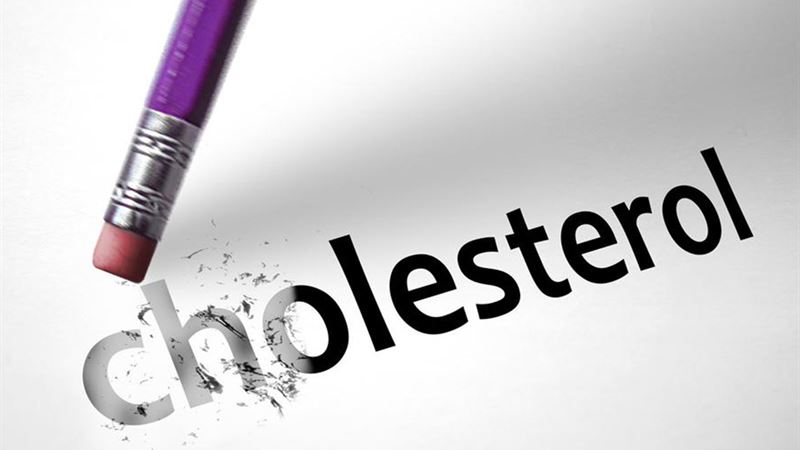
Discover how to lower LDL cholesterol levels through practical lifestyle modifications
Managing LDL cholesterol is essential for maintaining heart health and preventing cardiovascular diseases. Adopting certain lifestyle habits can significantly reduce bad cholesterol levels, improve overall wellness, and reduce dependency on medications. This comprehensive guide explores proven methods to naturally lower LDL cholesterol, emphasizing dietary choices, physical activity, and other vital health behaviors.
- Adopt a Heart-Healthy Diet: Making informed dietary choices is pivotal in managing LDL levels. Shifting towards foods rich in fiber, healthy fats, and antioxidants can effectively lower bad cholesterol. Prioritize consuming fruits, vegetables, whole grains, and lean proteins. These foods are not only low in unhealthy fats but also boost heart health and overall vitality. Incorporate foods like oats, barley, nuts, flaxseeds, and berries into your meals for maximum benefit.
- Choose Healthier Fats: Replacing saturated fats with healthier fat sources such as monounsaturated and polyunsaturated fats can make a significant difference. Use oils like olive oil, canola oil, and avocado oil in cooking. Limit intake of red meats high in saturated fat, and opt for lean cuts or plant-based proteins. Consuming fish such as salmon, mackerel, and sardines, which are rich in omega-3 fatty acids, can help lower LDL cholesterol levels.
- Eliminate Trans Fats from Your Diet: Trans fats are harmful fats that raise LDL cholesterol and lower HDL (good) cholesterol, increasing the risk of heart disease. These fats are often found in processed foods, baked goods, snack foods, and fried items. Always check nutrition labels for partially hydrogenated oils and avoid products that contain them. Choosing fresh, whole foods instead of processed snacks can significantly improve your lipid profile.
- Increase Physical Activity: Regular exercise is a cornerstone in controlling cholesterol levels. Engaging in just 10-15 minutes of moderate activity daily can help reduce LDL cholesterol. Activities such as brisk walking, cycling, swimming, and participating in sports promote cardiovascular health. Incorporate physical activity into your routine by taking the stairs instead of elevators, walking or biking to work, or joining local sports clubs. Exercising consistently builds endurance, improves metabolism, and contributes to weight management, all of which positively impact LDL levels.
- Quit Smoking: Smoking adversely affects HDL cholesterol and damages blood vessels, increasing the risk of heart attack. Quitting smoking raises HDL levels, reduces blood pressure, and lessens the workload on your heart. If you breathe secondhand smoke, your risk is also elevated. Seek support through counseling, nicotine replacement therapy, or medications to successfully stop smoking and protect your heart health.
- Maintain a Healthy Body Weight: Carrying excess weight, even minimal, can elevate LDL cholesterol and strain the heart. Achieving and maintaining a healthy weight through a balanced diet and regular activity helps in managing cholesterol levels effectively. Focus on portion control, mindful eating, and reducing intake of high-calorie foods. Incorporate more nutritious homemade meals, eat smaller frequent meals instead of large ones, and replace fried snacks with baked alternatives. These measures support weight loss and improve lipid profiles.
- Moderate Alcohol Consumption: While moderate alcohol intake might temporarily raise HDL cholesterol, excessive drinking poses severe health risks, including high blood pressure and liver issues. Therefore, limiting alcohol consumption is prudent. If you choose to drink, do so responsibly and within recommended guidelines. Abstaining altogether is often the best way to avoid alcohol-related health complications.
Taking proactive steps to lower LDL cholesterol involves consistent lifestyle changes combined with medical guidance if necessary. Be patient, as it takes time for these measures to show results. If lifestyle adjustments alone don't adequately control your cholesterol levels, consult a healthcare professional for personalized advice, which may include medication. Remember, small changes can lead to substantial improvements in your heart health over time, leading to a longer, healthier life.