
Understanding Heberden’s Nodes: Symptoms, Causes, and Effective Treatment Strategies
Heberden’s nodes are bony swellings at the finger joints associated with osteoarthritis. Symptoms include swelling, pain, stiffness, and limited movement. Management options include medication, joint protection, physical therapy, heat and cold therapy, and surgery. Early diagnosis and tailored treatment are essential for symptom relief and improved hand function. Consulting a healthcare professional ensures optimal care and prevents progression of joint damage, helping patients maintain an active, functional lifestyle despite the condition.
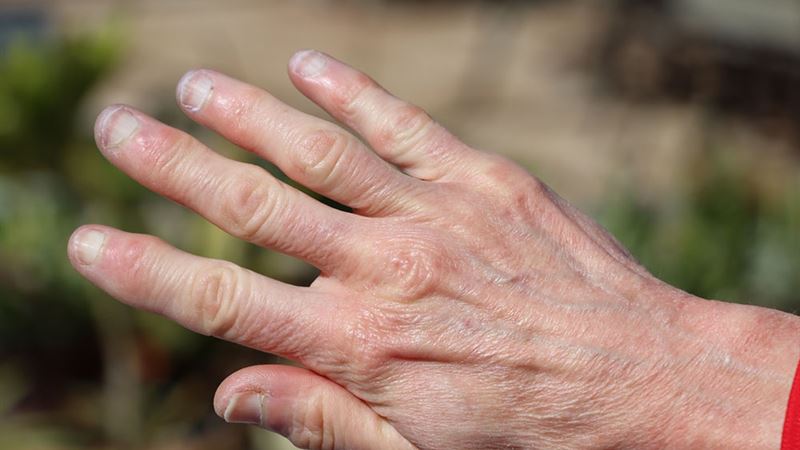
- Formation of Bony Growths
Heberden’s nodes manifest as palpable, hard protrusions located on the distal interphalangeal joints—the last finger joints closest to the nails. These bony enlargements are often detectable upon touch and resemble small bumps or larger, prominent nodules. Their size can range from pea-sized to more substantial lumps, depending on the severity of osteoarthritis progression. Initially, these nodules may appear as subtle swelling but tend to enlarge over time due to ongoing joint degeneration. The degree of swelling may vary among individuals and can differ from finger to finger, reflecting the localized nature of joint deterioration. These nodes are characteristic markers of osteoarthritis affecting the fingers, especially in older adults. - Pain and Discomfort
As osteoarthritis advances, individuals with Heberden’s nodes may experience varying degrees of pain and tenderness in the affected finger joints. The pain can range from a dull ache to sharp, stabbing sensations, often exacerbated by pressure, movement, or gripping activities. Tasks that involve repetitive hand motions—such as writing, typing, grasping objects, or opening jars—can intensify discomfort. Patients frequently report increased soreness and tenderness when applying pressure or engaging in activities that strain the joints. The severity of pain can fluctuate, often worsening with joint overuse or as inflammation increases. Managing this discomfort is a crucial aspect of treatment and maintaining daily function.
- Joint Stiffness and Limited Mobility
Another prominent symptom associated with Heberden’s nodes is joint stiffness, which significantly impairs finger flexibility. Patients may find it difficult to fully straighten or extend their fingers, leading to challenges in performing simple tasks like writing, buttoning, or grasping objects. The stiffness tends to be most pronounced after periods of inactivity—such as waking up in the morning—and may gradually improve with gentle movement or stretching exercises. This limited range of motion not only causes discomfort but also hampers everyday activities, reducing overall hand dexterity. Over time, persistent stiffness can lead to joint deformity if left unmanaged.
In addition to swelling, patients might observe redness, warmth, or mild inflammation around the nodules, especially as osteoarthritis progresses. These inflammatory signs serve as indicators of increased joint activity and deterioration. If untreated, symptoms can escalate, leading to significant functional limitations.
Available Management and Treatment Options for Heberden’s Nodes
Addressing Heberden’s nodes involves multiple strategies aimed at alleviating symptoms, preventing progression, and improving quality of life. Although various approaches exist, it’s essential to consult a healthcare professional to personalize treatment plans based on individual needs and severity of the condition. The following are common management options:
- Pain Relief and Control
one of the primary concerns with Heberden’s nodes is managing discomfort. Pain management includes medications such as analgesics and anti-inflammatory drugs prescribed by a healthcare provider. These drugs help reduce inflammation and alleviate pain, allowing patients to perform daily activities more comfortably. Adherence to the prescribed dosage and schedule is vital for effectiveness. If pain persists or worsens, patients should seek further medical evaluation to explore alternative treatments or adjustments to their medication plan. Proper pain management significantly enhances quality of life and functional capacity. - Joint Protection Techniques
Protecting affected finger joints is essential to limit damage and prevent further deterioration. Strategies include wearing splints or braces during activities that involve repetitive motions or exertion, providing stability and reducing strain. Occupational therapy plays a pivotal role by teaching patients ergonomic techniques and using assistive devices designed to minimize joint stress. Modifying daily routines—such as using ergonomic tools, avoiding heavy gripping, and taking frequent breaks—helps reduce inflammation and prevents aggravation of symptoms. J oint protection underscores the importance of reducing joint overload and prolonging joint function. - Physical Therapy Interventions
Engaging in targeted physical therapy can greatly improve joint health for patients with Heberden’s nodes. Therapeutic exercises aim to strengthen the hand muscles, enhance joint flexibility, and maintain a good range of motion. Physical therapists may employ manual techniques like joint mobilizations, soft tissue massage, or specific stretching routines to relieve stiffness and pain. Regular physical activity tailored to the patient’s capacity helps preserve joint integrity and delays progression. Education on proper hand mechanics and exercises is also part of comprehensive therapy to empower patients in managing their condition independently. - Utilizing Heat and Cold Therapy
Non-invasive heat and cold treatments are effective adjuncts for symptom relief. Warm applications, such as heat packs, paraffin wax baths, or hot compresses, promote muscle relaxation, improve blood flow, and lessen stiffness. Cold therapies—like ice packs or cold compresses—help curb inflammation, reduce swelling, and numb the painful area. Alternating between heat and cold can enhance therapeutic benefits, alleviating both pain and inflammation. Patients should follow proper application timing and precautions to avoid skin irritation. Integrating these therapies into the care routine can significantly diminish discomfort and improve joint function. - Surgical Interventions
In cases where conservative treatments fail to provide relief and symptoms severely impair hand function, surgical options may be considered. Surgical procedures include removing osteophytes (bony spurs), joint fusion (arthrodesis), or joint replacement (arthroplasty), depending on the extent of damage and patient health. Surgery aims to relieve persistent pain, correct deformity, and restore mobility. Patients should discuss the potential risks, expected outcomes, and rehabilitation process with their surgeon. Surgical intervention is generally reserved for advanced cases where the quality of life is severely compromised. Proper postoperative care and physical therapy are critical for successful recovery.