
Effective Dental Solutions for Sleep Apnea Management
Discover effective dental solutions for sleep apnea management, including Mandibular Advancement Devices and Tongue Retaining Devices, which provide comfortable, non-invasive alternatives to CPAP therapy. Learn about costs, benefits, and how these appliances improve sleep quality and overall health. Consult your healthcare provider to find the best dental device tailored to your needs for better sleep and well-being.
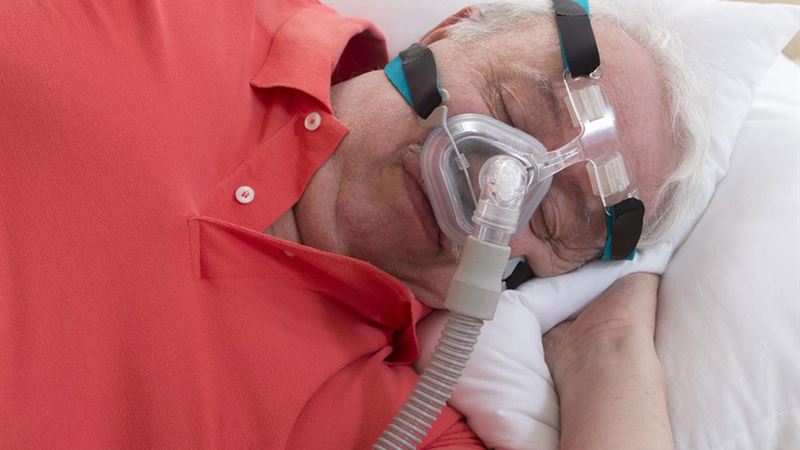
Sleep apnea is a common sleep disorder characterized by pauses in breathing or shallow breaths during sleep, leading to poor sleep quality and various health issues. While Continuous Positive Airway Pressure (CPAP) therapy is a standard treatment, many patients seek alternative options due to discomfort or intolerance. Dental appliances have emerged as a highly effective, non-invasive solution for managing sleep apnea. These devices are designed to reposition the jaw or tongue during sleep, opening the airway and reducing breathing interruptions. This comprehensive guide explores the different types of dental devices available, their functionalities, costs, and benefits to help you make an informed decision for better sleep health.
Understanding Sleep Apnea and Treatment Alternatives
Sleep apnea affects millions worldwide, with symptoms including loud snoring, daytime fatigue, morning headaches, and irritability. Left untreated, it increases the risk of cardiovascular issues, hypertension, and metabolic disorders. While CPAP therapy remains the gold standard, its compliance rates are often low due to discomfort and inconvenience. This has driven the development of oral appliances, which offer a comfortable, portable, and effective alternative. Dental sleep devices are especially useful for mild to moderate sleep apnea cases or for patients who cannot tolerate CPAP masks. They are designed to fit comfortably in the mouth, providing a customized solution that works during sleep to keep the airway open.
Types of Dental Devices for Sleep Apnea
- Mandibular Advancement Devices (MADs) – These are the most common and widely used dental appliances for sleep apnea. MADs work by gently shifting the lower jaw (mandible) forward, which tightens the tissues and muscles around the airway, reducing airway collapse. The device is custom-fitted by a dental professional and is composed of upper and lower trays connected to advance the jaw gradually into a more airway-friendly position. MADs can significantly reduce apnea episodes, improve sleep quality, and decrease snoring. The typical cost for a Mandibular Advancement Device ranges from $1,800 to $2,500, depending on customization and materials used.
- Tongue Retaining Devices (TRDs) – Unlike MADs, TRDs work by holding the tongue in a forward position to prevent it from blocking the airway. The device is usually a single acrylic or soft material appliance that gently cups the tongue and keeps it in place throughout sleep. TRDs are particularly effective for patients with enlarged tongues or where mandibular advancement is not suitable. Initial adaptation may be uncomfortable as the tongue adjusts, but most patients adapt over several weeks. The cost of a Tongue Retaining Device typically falls between $1,800 and $2,000.
For severe sleep apnea cases or when a combination therapy is desired, dental appliances can be used alongside CPAP therapy. This approach involves customizing a device that works in tandem with CPAP, allowing for lower pressure settings and increased comfort. The combination therapy maximizes airway opening, minimizes discomfort, and improves patient adherence. The cost of such custom devices varies depending on specifications but generally aligns with standard dental appliances, approximately $1,800 to $2,500.
Advantages of Dental Sleep Appliances
Dental devices offer numerous benefits, including convenience, portability, and discreetness, making them a popular choice among sleep apnea sufferers. They are easy to wear, usually comfortable after a adaptation period, and do not require external apparatus like masks and tubing. Additionally, dental appliances are generally more affordable compared to long-term CPAP machine costs and maintenance.
Important Considerations Before Choosing Dental Devices
Individuals interested in dental sleep appliances should consult with a sleep specialist and a qualified dentist experienced in sleep medicine. Proper assessment, including sleep studies, helps determine the severity of sleep apnea and suitability for dental therapy. Custom fitting and periodic follow-ups ensure optimal performance and comfort. It’s also essential to maintain good oral hygiene and attend regular dental check-ups to avoid potential dental or jaw issues associated with appliance use.
Conclusion: An Effective, Comfortable Alternative for Sleep Apnea Treatment
Dental sleep appliances are a proven, effective, and user-friendly alternative to traditional sleep apnea treatments. They provide a comfortable, portable, and discreet solution for those with mild to moderate cases or for patients intolerant of CPAP therapy. With advancements in dental technology and customization, these devices continue to improve sleep quality and overall health outcomes. If you suffer from sleep apnea and are exploring options beyond CPAP, consider consulting your healthcare provider and dental specialist to discover the most suitable dental appliance to enhance your sleep health and quality of life.