
Comprehensive Strategies and Treatments for Sleep Apnea Management
This comprehensive guide explores various natural and lifestyle strategies to manage sleep apnea effectively. From adjusting sleep positions and practicing yoga to weight management and using dental devices, learn how to improve sleep quality naturally. Early diagnosis and lifestyle modifications can prevent serious health risks associated with sleep apnea, making this resource essential for those seeking relief without invasive procedures. Consulting healthcare professionals ensures personalized, safe treatment options, leading to better overall health and restful sleep.
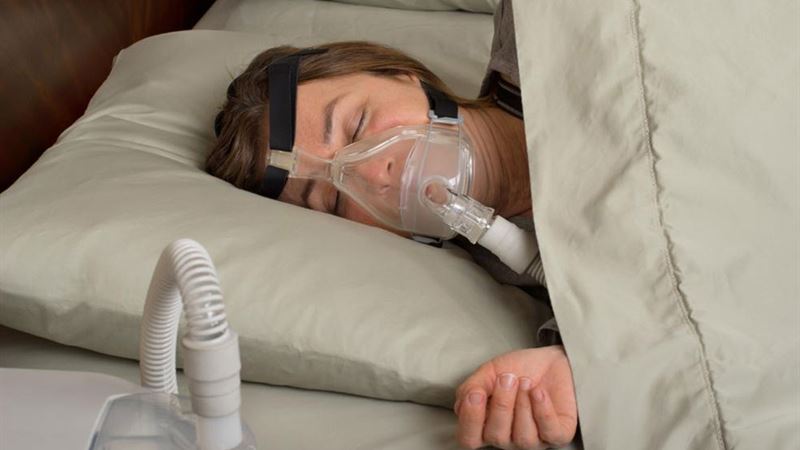
- Central sleep apnea occurs when the body's respiratory control system fails to send proper signals to muscles responsible for breathing, leading to pauses in breathing without airway obstructions. This condition is often linked with underlying health issues and neurological conditions.
- Obstructive sleep apnea (OSA), on the other hand, results from physical blockage in the airway, typically caused by the collapse of soft tissues in the throat during sleep. This leads to interrupted breathing episodes, loud snoring, and disturbed sleep patterns.
Sleep apnea is a manageable disorder, and understanding its symptoms is crucial for early diagnosis. Are you wondering how to treat sleep apnea effectively? Before exploring the various therapies, it is essential to familiarize yourself with common signs and symptoms that may indicate this condition.
- Loud snoring accompanied by choking, gasping, or pauses in breathing during sleep, which is often the primary symptom.
- Difficulty concentrating, memory problems, and decreased cognitive function.
- Feelings of depression, anxiety, or mood swings.
- Persistent fatigue and daytime sleepiness, affecting daily functioning and productivity.
- Unexpected weight gain, especially around the neck and face.
- Night sweats and excessive sweating during sleep.
- Problems with sexual function and intimacy, including decreased libido.
- Low energy levels and chronic tiredness that interfere with routine activities.
- Frequent urination during the night, disrupting sleep cycles.
- Occasional forgetfulness and difficulty focusing throughout the day.
It is important to note that these symptoms are not exclusive indicators of sleep apnea. Proper diagnosis requires consultation with healthcare professionals, often involving sleep studies or polysomnography. Untreated sleep apnea can escalate into severe health issues, making timely treatment essential.
The potential health risks of ignoring sleep apnea include increased likelihood of stroke, high blood pressure, diabetes, recurrent headaches, irregular heartbeat, heart failure, and even heart attacks. Moreover, chronic sleep deprivation from this disorder can exacerbate mental health issues like depression and worsen attention deficit hyperactivity disorder (ADHD). It may also significantly impair overall quality of life and daily performance.
Fortunately, there are various natural and lifestyle-based approaches to managing sleep apnea. Combining these strategies with medical advice can lead to effective relief and improve sleep quality. Below are some of the most proven natural treatment options.
Adjusting Sleeping PositionsAccording to numerous clinical studies, a simple change in sleeping positions can considerably reduce sleep apnea symptoms. Sleeping on the back, known as the supine position, often exacerbates airway obstruction because gravity causes the soft tissues in the throat to collapse, narrowing the airway. This can lead to increased snoring and breathing interruptions, especially in adults. Conversely, sleeping on the side helps keep the airway open, reducing obstruction and promoting better sleep. For infants and young children, sleeping on the back is generally recommended for safer sleep; however, adults should explore side-sleeping for mitigation of symptoms. Consulting with healthcare providers about optimal sleep postures can significantly contribute to managing sleep apnea naturally.
Incorporating Yoga and Breathing Exercises
Regular yoga practice has been linked to improved respiratory function and overall health. Specific yoga poses combined with breathing techniques like diaphragmatic breathing, pranayama, and deep breathing exercises can increase oxygen intake, strengthen respiratory muscles, and promote relaxation. Practicing yoga daily can help reduce airway inflammation, improve breathing quality, and notably diminish sleep apnea severity. Medical research supports the use of breathing exercises to enhance airflow and reduce the collapsibility of the soft palate and throat tissues during sleep. Adding yoga into your routine, especially poses targeting the neck, throat, and chest, can serve as a natural adjunct in sleep apnea management.
Maintaining a Healthy Weight
Obesity is a significant risk factor for obstructive sleep apnea because excess fatty tissue around the neck can obstruct the airway, especially during sleep. Numerous scientific studies confirm that weight loss provides substantial relief from sleep apnea symptoms. Achieving and maintaining a healthy weight through balanced diet and regular physical activity reduces the burden on the airway and minimizes tissue collapse during sleep. For overweight individuals, even modest weight reductions can drastically improve breathing quality and decrease apnea episodes. It is crucial to monitor weight regularly and adopt sustainable lifestyle habits to prevent recurrence of symptoms after initial improvement. Remember, weight management is a cornerstone natural approach for alleviating sleep apnea.
Utilizing Oral and Dental Devices
For those who experience mild to moderate sleep apnea, oral appliances offer an effective alternative to continuous positive airway pressure (CPAP) masks. Custom-designed dental devices work by repositioning the jaw or tongue to keep the airway open during sleep. These devices are generally more comfortable and better tolerated, improving adherence rates. An oral sleep appliance, often called a mandibular advancement device, advances the lower jaw slightly forward, preventing airway obstruction. Some devices also include tongue-positioning features to ensure better airflow. Consulting with a dentist specialized in sleep medicine can help determine the most suitable device tailored to individual needs. Dental approaches provide a non-invasive, effective way to manage sleep apnea naturally.
Eliminating Smoking and Limiting Alcohol Intake
Lifestyle modifications like quitting smoking and reducing alcohol consumption play a vital role in sleep apnea treatment. Smoking inflames and irritates the airways, leading to swelling and increased blockage, which escalates snoring and apnea episodes. Likewise, alcohol relaxes the muscles of the throat and airway, creating a higher risk of obstruction when the muscles lose tone during sleep. Eliminating smoking diminishes airway inflammation, while limiting alcohol helps maintain muscle tone around the airway, reducing the likelihood of breathing interruptions. These behavioral changes, combined with medical intervention, significantly improve sleep quality and overall respiratory health. For individuals struggling with sleep apnea, consulting healthcare professionals for guidance and support in lifestyle modification is highly recommended.
If you suspect sleep apnea based on symptoms, seeking professional medical diagnosis is essential. Healthcare providers can recommend personalized treatment plans combining lifestyle changes, natural remedies, and, if necessary, medical devices or surgery. Proactive management can enhance sleep quality and prevent long-term health complications associated with this disorder. Remember, a holistic approach addressing both lifestyle and physiological factors offers the best chance for effective management and recovery from sleep apnea.