
Comprehensive Guide to Sleep Apnea Treatment for Better Rest and Health
Discover effective sleep apnea treatments, from lifestyle changes to medical devices and surgical options. Learn how to identify symptoms, choose the right therapy, and improve your sleep quality for a healthier life. Expert insights included to help you make informed decisions for managing sleep-disordered breathing. Achieve better rest and overall wellness today.
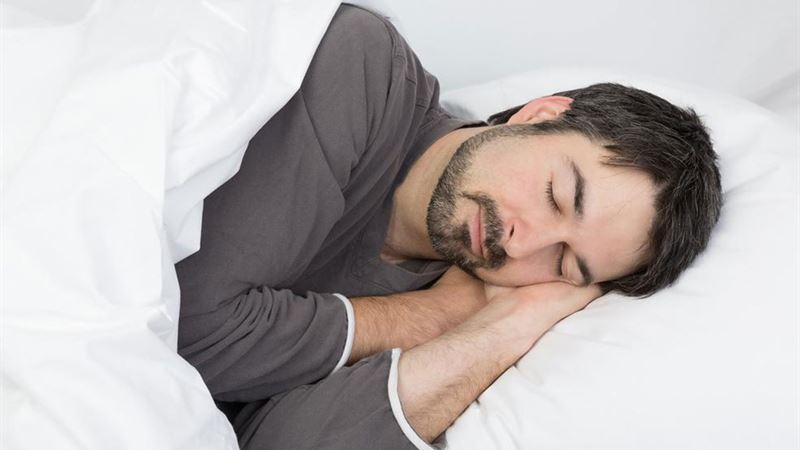
Understanding Sleep Apnea: Causes, Symptoms, and Impact
Sleep apnea is a common yet often overlooked sleep disorder characterized by repeated interruptions in breathing during sleep. These breathing pauses can last from a few seconds to minutes and occur multiple times throughout the night, severely affecting sleep quality and overall health. Many individuals may not notice the episodes themselves but wake up feeling unrefreshed, tired, and irritable. Chronic sleep deprivation caused by sleep apnea can lead to serious health issues, including increased risk of cardiovascular diseases, hypertension, diabetes, and stroke. Early detection and effective treatment are essential to enhance quality of life and prevent long-term health complications.
For successful management, the first critical step is an accurate diagnosis, which involves identifying the specific type of sleep apnea affecting the patient. Different forms require customized treatment approaches for optimal results.
Types of Sleep Apnea and Their Characteristics
- Obstructive Sleep Apnea (OSA): This is the most prevalent form of sleep apnea, accounting for approximately 84% of cases. It occurs when the muscles in the back of the throat, including the soft palate, uvula, and tongue, relax excessively during sleep, causing the airway to become partially or fully blocked. This blockage results in loud snoring, choking sensations, and abrupt awakenings as the body struggles to resume normal breathing. Factors such as obesity, enlarged tonsils, or structural abnormalities can increase susceptibility to OSA.
- Central Sleep Apnea (CSA): Unlike OSA, CSA results from a neurological failure where the brain temporarily stops sending signals to the muscles that control breathing. It is less common and is often associated with underlying conditions such as heart failure, stroke, or traumatic brain injury. Since it does not involve anatomical airway obstruction, CSA typically does not cause loud snoring but may lead to irregular breathing patterns and awakenings.
- Complex or Mixed Sleep Apnea: This condition involves a combination of obstructive and central sleep apnea features. It is diagnosed when a patient exhibits characteristics of both types, necessitating a comprehensive treatment plan that addresses both mechanisms.
Effective Strategies for Managing Sleep Apnea
Once diagnosed, treatment options range from lifestyle modifications to advanced medical interventions. Often, a combination of these approaches yields the best results, especially in mild cases. Consulting with a healthcare provider specializing in sleep medicine is vital to determine the most appropriate treatment plan.
Lifestyle and Home Remedies to Alleviate Sleep Apnea
Many mild cases of sleep apnea can be managed effectively through simple lifestyle changes and home remedies. These modifications can significantly reduce symptoms and improve sleep quality without the need for invasive procedures.
1. Maintaining a Healthy Weight
Obesity is a major risk factor for obstructive sleep apnea. Excess fat deposits around the neck can narrow the airway, making it more susceptible to collapse during sleep. Achieving and maintaining a healthy weight through balanced diet and regular physical activity can help alleviate airway obstruction and enhance breathing during sleep.
2. Avoiding Tobacco and Alcohol
Tobacco use increases inflammation and fluid retention in the upper airway, exacerbating snoring and sleep apnea symptoms. Alcohol, which relaxes throat muscles, can worsen airway obstruction, leading to more frequent apnea episodes. Eliminating smoking and limiting alcohol intake are effective strategies for reducing symptoms and improving sleep quality.
3. Correcting Dietary Habits
Heavy meals close to bedtime can disrupt sleep and potentially worsen apnea symptoms. It is advisable to have your last meal at least two hours before sleep and to avoid caffeine and heavy, processed foods that can interfere with restful sleep. Incorporating a well-balanced diet and staying hydrated support better sleep health.
4. Implementing Sleep Hygiene Practices
Establishing a consistent sleep schedule promotes regular sleep patterns. Creating a relaxing bedtime routine and ensuring a dark, quiet, and cool sleeping environment can reduce awakenings and improve sleep quality.
Bedtime Tips for Enhancing Sleep Quality in Apnea Patients
- Sleep on your side rather than your back. Side sleeping helps prevent the tongue and soft tissues from collapsing into the airway.
- Elevate your head by 4 to 6 inches using pillows to keep the airway open during sleep.
- Utilize saline nasal sprays or strips to keep nasal passages clear and facilitate easier breathing at night.
- Consider chewing gum before bed to encourage mouth closure and reduce oral airflow obstruction.
In cases where lifestyle changes alone do not alleviate symptoms, seeking professional medical advice is essential for further intervention.
Medical Therapies and Devices for Sleep Apnea Treatment
Healthcare professionals have a variety of medical treatments to effectively manage sleep apnea, especially in moderate to severe cases. These treatments aim to keep the airway open and ensure a restful night's sleep while minimizing health risks.
1. Continuous Positive Airway Pressure (CPAP)
The most widely used treatment for moderate to severe obstructive sleep apnea, CPAP therapy involves a machine that produces a continuous stream of pressurized air through a mask worn over the nose or mouth during sleep. This airflow prevents airway collapse, ensuring unobstructed breathing and significantly reducing apnea episodes. While some users find wearing the mask uncomfortable initially, consistent use leads to better sleep quality and health benefits.
2. Alternative Breathing Devices
For patients who find CPAP challenging, several other devices are available:
- Expiratory Positive Airway Pressure (EPAP): Small, adhesive devices placed over the nostrils to maintain airway openness.
- Bilevel Positive Airway Pressure (BPAP): Provides different pressures for inhalation and exhalation, offering more comfort for some users.
- Adaptive Servo-Ventilation (ASV): A sophisticated device that adjusts pressure dynamically based on detected breathing patterns, especially useful for complex sleep apnea cases.
3. Dental Devices and Oral Appliances
Customized dental devices fit snugly in the mouth and work by repositioning the jaw or tongue to keep the airway open during sleep. These devices are a non-invasive alternative suitable for mild to moderate cases and can be adjusted for comfort and effectiveness.
4. Surgical Options
Surgery is generally considered a last resort and is typically recommended after other treatments have failed. Surgical procedures aim to physically enlarge or remove obstructions in the airway:
- Uvulopalatopharyngoplasty (UPPP): Removes excess tissue from the soft palate and uvula to widen the airway.
- Tongue Base Surgery: Addresses enlarged tongue tissues blocking the airway.
- Nasal surgeries: Correct structural abnormalities such as deviated septum or enlarged turbinates that contribute to obstruction.
- Implantable Devices: Recent advances include neural stimulators, like hypoglossal nerve stimulators, that activate airway muscles to prevent collapse, acting as a pacemaker for the airway.
Choosing the appropriate treatment depends on the severity of the condition, underlying causes, and individual preferences. Consulting with an experienced sleep specialist is crucial to develop a tailored management plan that offers the best chance for effective relief.
Addressing sleep apnea comprehensively not only improves sleep quality but also significantly impacts overall health and well-being. Early intervention and consistent adherence to prescribed treatments can transform a life affected by sleep-disordered breathing into one of restful, energized days.