
Choosing Between Portable Oxygen Tanks and Concentrators: Which Option Suits You Best?
Learn about the differences between portable oxygen tanks and concentrators to determine which device fits your health needs. Explore their features, advantages, and considerations to make an informed choice for respiratory support. Consulting a healthcare professional is essential for the best decision, ensuring safety and comfort in managing oxygen therapy.
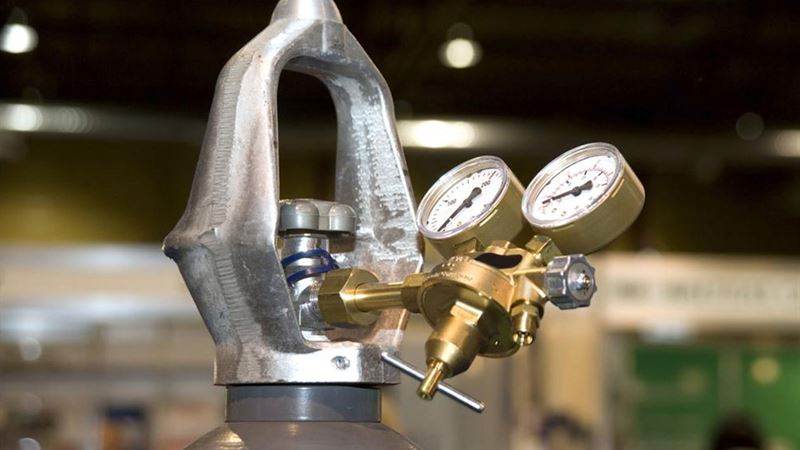
- Portable oxygen systems fundamentally differ based on how they generate and store oxygen. Oxygen tanks are reservoirs filled with either compressed gaseous oxygen or liquid oxygen, designed to deliver high-purity oxygen directly to the user. Conversely, oxygen concentrators operate by drawing in ambient air, filtering out nitrogen, and providing concentrated oxygen for breathing. Understanding these variations is crucial in making an informed decision about which device aligns with your health needs.
- Patients with severe respiratory deficiencies often require pure oxygen, which tanks reliably supply at nearly 100% purity levels. In contrast, modern oxygen concentrators typically offer oxygen purity levels around 95%, which are often sufficient for users with less critical respiratory issues. This difference influences the choice for patients, depending on the severity of their condition and specific medical requirements.
- Oxygen supply logistics also differ significantly. Tanks require regular refilling and delivery services, making them less convenient for mobile or on-the-go use. Meanwhile, oxygen concentrators are powered by electricity, allowing continuous operation as long as power is available. However, in situations with power outages, backup tanks are essential to ensure uninterrupted oxygen supply, emphasizing the need for strategic planning in device choice.
Choosing between a portable oxygen tank and a concentrator largely depends on individual health status, lifestyle, and specific oxygen needs. It is always advisable to consult healthcare professionals to assess your condition thoroughly before making a purchase. Proper medical guidance ensures you select the device best suited to your respiratory needs, enhancing safety, comfort, and quality of life.