
Ultimate Guide to Portable Power Stations: Expenses and Selection Strategies
Discover comprehensive tips for selecting the ideal portable power station, covering cost ranges, key features, battery types, output ports, charging methods, and optional extras. This detailed guide helps you make informed decisions tailored to your power needs and budget, whether for outdoor adventures, emergency backup, or professional use. Learn how to evaluate capacity, battery lifespan, port compatibility, and additional features for a reliable, efficient, and safe portable power solution that suits your lifestyle and requirements.
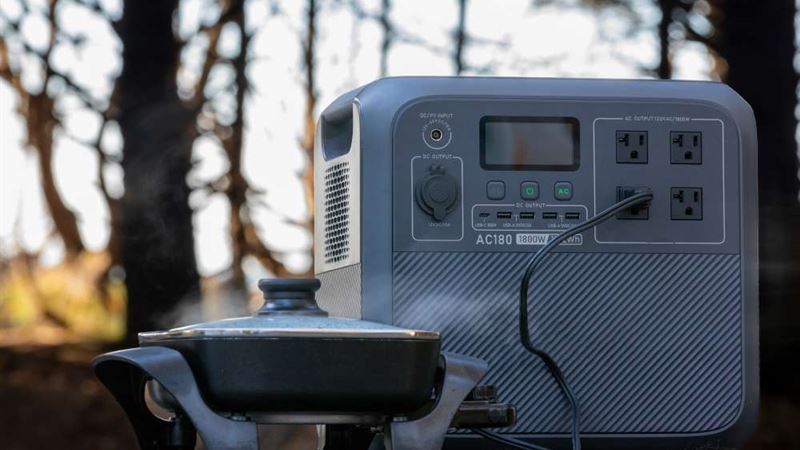
Portable power stations are versatile devices designed to provide reliable backup power for various electronic gadgets. They are especially useful during outdoor adventures, power outages, or emergency situations. These devices have a limited capacity for dispensing power but can efficiently charge small electronics such as smartphones, tablets, compact laptops, and flashlights. The range of models available in the market varies substantially in terms of capacity, features, and price, allowing consumers to choose according to their specific needs and budget.
For those seeking portable power solutions, understanding the cost spectrum and key purchasing considerations is essential. Generally, small-capacity models with modest power output and limited features are priced between $300 and $600. Mid-range models with higher capacity and additional functionalities tend to range from $600 to $1,200. Premium portable power stations, capable of supporting larger appliances or acting as complete backup systems, often cost $1,200 and above. These higher-end units can power multiple devices simultaneously, making them ideal for both outdoor enthusiasts and emergency preparedness.
It’s important to note that prices can fluctuate based on market trends, technological advancements, and external factors such as energy crises or supply chain disruptions. Being informed about the latest market updates can help you make a cost-effective purchase without compromising on quality or features.
Key Tips for Selecting the Perfect Portable Power Station
Before committing to a specific model, it’s crucial to evaluate various aspects including energy capacity, battery type, output ports, charging speed, and additional functionalities. These factors determine how well the power station will serve your specific requirements and ensure longevity and safety.
1. Determine the Appropriate Capacity and Output Power
The capacity of a portable power station indicates how much energy it can store for future use. Measured in watt-hours (Wh) or amp-hours (Ah), a higher capacity allows for longer usage time and the ability to power more devices simultaneously. Conversely, the power output, expressed in watts (W), reflects the maximum delivery rate of electricity. Selecting a unit with an adequate capacity and output depends on your primary use—whether for charging smartphones and small gadgets or powering larger appliances like mini-fridges or power tools.
For basic needs such as charging smartphones, laptops, or LED lights, models with capacities of 200-500Wh and outputs of 200-500W are sufficient. If you require backup power for larger devices or a more extended duration, consider units with capacities exceeding 1000Wh and outputs of 1000W or more.
2. Assess Battery Technology and Durability
The heart of a portable power station is its battery. The two main types are Lithium Iron Phosphate (LiFePO4) and Lithium-ion batteries. LiFePO4 batteries are known for their extended lifespan (ranging from five to ten years), higher number of recharge cycles (around 2500-3500), and enhanced safety profile due to better thermal stability. They are less prone to overheating and fires, making them a safer choice for prolonged use and frequent recharging.
Lithium-ion batteries, while often more compact and lightweight, tend to have shorter lifespans (approximately 2-3 years) and fewer charge cycles (around 500-1000). They are generally more affordable upfront but may require replacement sooner, leading to higher long-term costs.
Choosing a lithium-based battery depends on your usage pattern, safety considerations, and portability preferences. If durability and safety are priorities, LiFePO4-powered models are highly recommended despite their slightly larger size and weight.
3. Examine the Variety and Compatibility of Output Ports
Versatile output options enhance a portable power station’s usability. Some essential ports include:
- 12V Car Charger Ports: Also called accessory outlets, these provide power for devices like car refrigerators, small vacuum cleaners, or charging adapters designed for 12V systems.
- Anderson Power Connectors: Designed for high-current applications such as jump-starting vehicles, powering ham radios, or connecting solar panels.
- AC Standard Outlets: These outlets supply alternating current (AC) power suitable for household appliances such as laptops, mini-fridges, or small kitchen gadgets. Many models feature an Uninterruptible Power Supply (UPS) function, allowing seamless switching from mains power to battery backup during outages.
- USB Ports: Standard USB ports, especially those supporting Power Delivery (PD), enable fast charging of smartphones, tablets, and even some laptops. Additional ports and their specifications should align with your device charging needs.
Checking the number and type of ports helps ensure compatibility with your devices and prevents the need for unnecessary adapters or additional equipment.
4. Consider Charging Speeds and Replenishment Options
The efficiency of recharging a portable power station depends on its battery capacity and input power specifications. Typically, a higher wattage input results in faster recharge times. Manufacturers often specify how long it takes to fully recharge the device using AC, solar, or car power sources.
For example, a unit with a 1000Wh capacity and a 200W input will take approximately five hours to recharge fully. Higher input wattages, such as 500W or 1000W, reduce this time substantially. Solar charging is a sustainable option but generally takes longer due to lower output wattages, making it suitable for prolonged outdoor use rather than emergency quick recharge.
Always verify the recommended charging times from the manufacturer and consider your typical recharging methods to choose a suitable unit.
5. Explore Additional Features for Enhanced Functionality
Beyond basic charging capabilities, many portable power stations offer additional features that increase value and convenience. These include:
- Digital Displays: Real-time insights into battery status, charge/discharge rates, and remaining runtime help manage power usage more effectively.
- Mobility Aids: Handles or wheels facilitate transportation, especially for larger units.
- Expandable Systems: Compatibility with connecting multiple units allows for increased capacity during extended power outages or outdoor adventures.
- Warranty and Support: Reliable warranties protect your investment and provide peace of mind in case of malfunction or defects.
- Wireless Charging: Some models include wireless charging pads for compatible devices, adding a modern convenience.