
Effective Natural Approaches to Managing Parkinson’s Disease Holistically
This comprehensive guide explores holistic natural remedies and lifestyle strategies to effectively manage Parkinson’s disease. Combining diet, exercise, herbal treatments, and complementary therapies, it aims to empower patients and improve quality of life through a balanced, integrative approach. Expert advice emphasizes safety and personalization for optimal results.
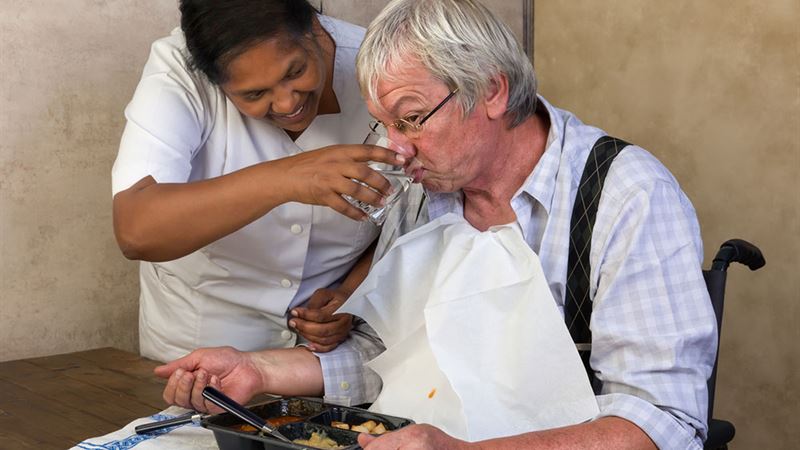
Parkinson’s disease presents unique challenges that require a comprehensive management strategy combining medical treatment with natural remedies. While medication and professional therapies form the backbone of treatment, incorporating lifestyle modifications, dietary adjustments, and complementary therapies can significantly improve the quality of life for individuals living with Parkinson’s. In this extensive guide, we explore various natural remedies, exercise routines, dietary plans, and holistic approaches that can help manage symptoms, strengthen body resilience, and promote mental well-being. Emphasizing a balanced approach and encouraging active participation, these strategies aim to empower patients and their families to take control of their health journey.
Understanding Parkinson’s Disease
Parkinson’s disease is a progressive neurodegenerative disorder characterized primarily by motor symptoms such as tremors, rigidity, bradykinesia, and postural instability. It also involves non-motor symptoms including sleep disturbances, depression, cognitive impairment, and fatigue. The condition results from the loss of dopamine-producing neurons in the substantia nigra region of the brain, which disrupts normal motor control. While the exact cause remains unknown, genetic factors, environmental influences, and lifestyle choices play significant roles in disease progression. Managing Parkinson’s involves a multi-faceted approach that addresses both neurological health and overall physical wellness.
Integrating Natural Remedies for Symptom Relief
Complementing conventional medications with natural remedies can help alleviate symptoms, reduce medication side effects, and improve patients' overall sense of well-being. It is crucial, however, to consult healthcare professionals before initiating any new treatments to ensure safety and effectiveness.
- Optimized Nutrition for Brain and Body Health
Nutritional strategies tailored to Parkinson’s aim to support neural health, enhance mobility, and address common issues such as constipation. Calcium-rich foods are beneficial, but they must be balanced with medications, as high-protein foods can interfere with drug absorption. Including foods high in antioxidants like berries, nuts, and green vegetables can combat oxidative stress—a key factor in neurodegeneration. Additionally, incorporating omega-3 fatty acids found in fish and flaxseeds supports brain health and reduces inflammation. - Mind-Body Exercises for Balance and Coordination
Regular physical activity is vital. Tai Chi, a gentle martial art emphasizing slow, controlled movements and deep breathing, has been shown to enhance balance, coordination, and muscular strength. Patients practicing Tai Chi often experience fewer falls and improved posture. Similarly, yoga offers benefits in flexibility, muscle strength, and mental calmness. Specific yoga poses can assist with motor control and provide relief from stiffness. Engaging in these exercises fosters better body awareness and mental resilience. - Therapeutic Massage and Body Movement Therapy
Massage therapies promote better blood circulation, reduce muscle tension, and ease joint discomfort. Massages also help lower stress levels, which can exacerbate symptoms. Movement therapies involving light dance steps, shoulder swings, or simple stretching exercises stimulate reciprocal movements and improve coordination. These approaches are designed to enhance motor functions while boosting mood through enjoyable, mindful movement. - Acupuncture for Symptom Regulation
Based on traditional Chinese medicine, acupuncture involves inserting fine needles into specific points to influence energy flow and improve bodily functions. For Parkinson’s patients, acupuncture has shown promise in reducing motor symptoms like tremors and rigidity, as well as non-motor issues such as sleep problems and depression. It supports immune function and reduces stress—factors that can influence disease progression. - Herbal and Phytotherapy Interventions
Natural herbs have been used in traditional medicine for centuries to support neurological health. Herbs such as turmeric and ginger contain anti-inflammatory compounds that may slow neurodegeneration. Brahmi (Bacopa Monnieri) and Ashwagandha (Withania Somnifera) are renowned for their neuroprotective effects and stress relief properties. Triphala is widely used in Ayurveda to detoxify the body and improve digestion. These herbal remedies, combined with dietary and lifestyle modifications, can contribute to holistic disease management.
Dietary Guidelines to Enhance Well-Being
Proper nutrition plays a crucial role in managing Parkinson’s disease. Emphasizing easily digestible, warm foods helps prevent gastrointestinal issues. Fresh, cooked vegetables, especially leafy greens like spinach and kale, are anti-inflammatory and support joint health. Staying well-hydrated by drinking plenty of water aids in toxin elimination and alleviates constipation. Avoiding fried, greasy foods prevents exacerbation of symptoms such as bloating and indigestion. Herbal teas infused with Tulsi (holy basil) and ginger not only soothe the stomach but also bolster immunity. Adhering to regular meal schedules with moderate portions optimizes digestion and nutrient absorption.
The degenerative nature of Parkinson’s means that its symptoms tend to worsen over time. Combining conventional medical treatment with natural and lifestyle interventions offers the best chance to maintain functional independence and improve mental health. It should be noted that natural therapies are supportive and should not replace prescribed medications or professional therapies. Each individual’s response to these approaches varies—personalized care and expert consultation are essential. Cultivating a positive outlook, encouraging family support, and fostering an environment of hope play crucial roles in managing this chronic condition effectively.
In conclusion, adopting a holistic lifestyle that includes balanced nutrition, gentle physical activity, stress management, and natural therapies can significantly enhance the quality of life for Parkinson’s patients. Empowering patients through knowledge and proactive health choices can make a meaningful difference in their daily lives. Remember, a well-rounded approach combining science and tradition, along with ongoing medical guidance, is the cornerstone of optimal disease management and long-term well-being.