
Understanding the Functionality of the Retina in Human Vision
The retina plays a vital role in vision by converting light into neural signals. It consists of layered neural cells, including rods for low-light sensitivity and cones for color perception. The fovea provides sharp, detailed vision, while the overall structure supports visual processing. Understanding how the retina functions helps us grasp the complexities of human sight and the importance of eye health in maintaining clear vision throughout life.
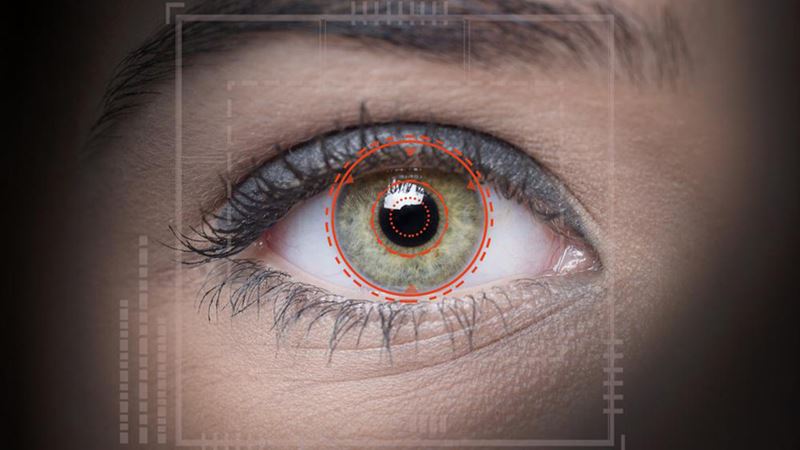
The process of focusing in the human eye is managed by the muscular structure of the eyeball, which adjusts the curvature of the lens to ensure clear vision at various distances. Covering the front of the eye is the transparent cornea, which plays a crucial role in bending light rays toward the retina, the vital component that transforms light into visual signals. The retina, occupying approximately 65% of the interior surface of the eyeball, is a complex multilayered tissue that is central to our ability to see and perceive the world around us.
Within the structure of the retina are three distinct layers of neural cells: the innermost layer contains ganglion cells, which send visual information via their axons to the brain; the middle layer consists of bipolar cells, serving as intermediaries transmitting signals between the outer and inner layers; and the outermost layer contains photoreceptive cells — rods and cones — responsible for detecting light and color. Additionally, the retinal pigment epithelium supports and nourishes these neural layers, ensuring optimal function. The entire retina is attached to the choroid, a layer rich in blood vessels that supplies nutrients, and lies beneath the sclera, which is the white protective outer layer of the eye.
Scattered across this extensive tissue are approximately 125 million photoreceptive cells, each about 0.002mm in diameter. These cells are unevenly distributed, with rods outnumbering cones significantly. Rod cells are highly sensitive to light, allowing for vision in dim lighting conditions, but they do not detect color, resulting in black-and-white images in low light. In contrast, cone cells, numbering around 6 to 7 million and approximately 0.006mm in diameter, are responsible for color vision and produce sharp, well-defined images when lighting conditions are bright. Cones are concentrated most densely in a small area called the macula, particularly in its central region known as the fovea.
The fovea, or fovea centralis, is a tiny depression located at the heart of the macula and is the area of highest visual acuity. It contains only cone cells, enabling it to perceive fine details and vivid colors with exceptional clarity. This region provides the sharpest vision and is essential for activities requiring focus, such as reading and recognizing faces. Surrounding the fovea is the macula lutea, often called the yellow spot, which aids in high-resolution vision. Just adjacent to the fovea is a blind spot, where the optic nerve exits the retina. Since rods connect directly to nerve fibers, a single nerve fiber can be activated by numerous rods, enhancing sensitivity in low-light environments. Overall, the intricate architecture and specialized cells of the retina are fundamental to human visual perception, enabling us to interpret a vibrant, detailed world.