
Essential Guide to Detecting and Managing Bed Bug Infestations at Home
Learn how to identify signs of bed bug infestations, discover their common hiding spots within your home, and explore effective strategies for both DIY and professional pest control. Early detection is crucial to prevent widespread infestation and restore comfort to your living space.
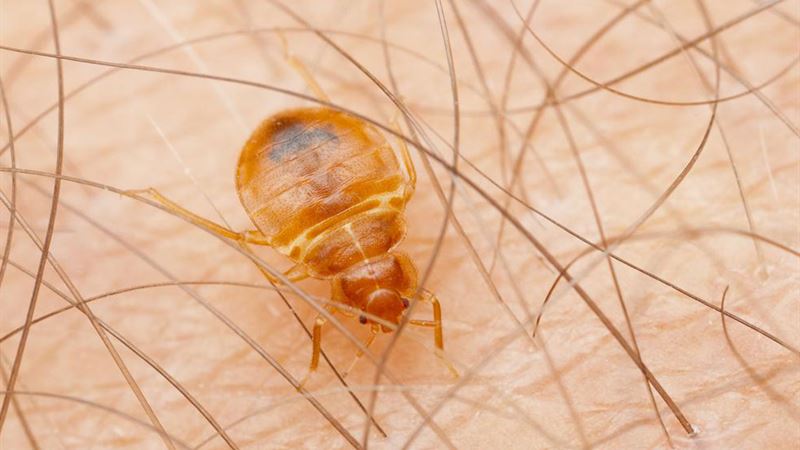
- Rust-colored or reddish stains on bed linens, mattresses, and pillows, indicative of crushed bed bugs.
- Small, dark specks resembling ink marks, which are the droppings of bed bugs.
- Minuscule eggs and fragments of eggshells, roughly 1mm in size.
- Pale yellow shed skins as bed bugs mature and grow larger.
- Live bed bugs crawling on surfaces or near seams.
Common Hiding Spots for Bed Bugs
Bed bugs are notorious for their ability to hide during periods between feedings. Due to their tiny size, they can conceal themselves in various places around your home. Typical hiding spots include areas close to sleeping quarters, behind wallpaper, within furniture crevices, and even inside electrical components. Identifying these hiding spots is crucial to controlling and eliminating an infestation.
- Within the seams and folds of upholstered furniture such as sofas and chairs, often hiding between cushions or behind curtains.
- Inside drawer joints and under furniture edges.
- Electrical outlets, switches, and appliances that haven't been used for a prolonged period.
- Behind wall coverings, wallpaper, and picture frames.
- In the tiny crevices of screws, nails, and wall hangings.
Effective bed bug control is vital because these pests can reside in hidden spots throughout your house, often without immediate detection. You have two primary options: hire professional pest control services or adopt DIY measures to eradicate bed bugs and restore a pest-free environment.