
Comprehensive Guide to Blood Pressure Levels and Their Significance
This comprehensive article explains the different blood pressure stages, what each range signifies, and how lifestyle choices and medications can help manage hypertension. It emphasizes the importance of regular monitoring, early detection, and prompt treatment to prevent serious health complications like strokes and heart attacks. Learn about prehypertension, Stage 1 and 2 hypertension, and hypertensive crisis to take control of your cardiovascular health effectively.
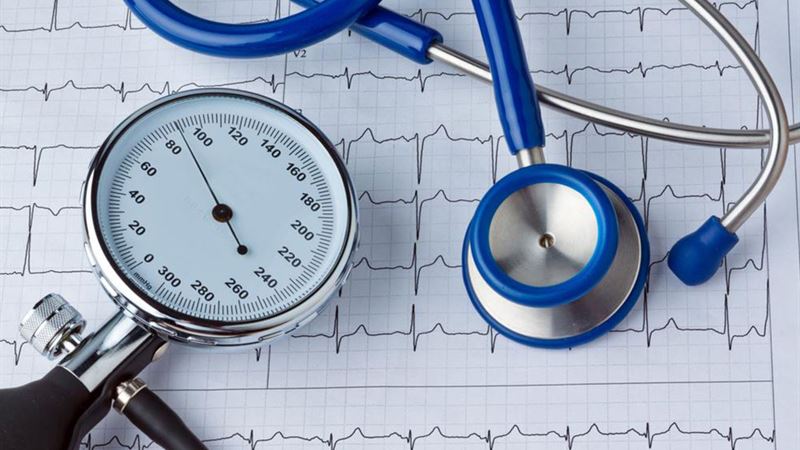
Understanding blood pressure readings is crucial for maintaining heart health and preventing cardiovascular diseases. According to the American Heart Association, a blood pressure reading is considered normal when it falls within specific ranges. Both systolic (pressure when the heart beats) and diastolic (pressure when the heart rests) numbers should stay within these limits to stay healthy. Normal blood pressure generally measures around 120/80 mmHg. Maintaining this range through healthy lifestyle choices is essential for overall well-being.
Blood pressure is measured in millimeters of mercury (mmHg). For example, a normal reading would be 120/80 mmHg. If your readings fall within this range, you typically do not require medical treatment. Instead, adopting a healthy lifestyle—such as regular physical activity, a balanced diet, and weight management—is often sufficient to keep blood pressure under control.
Understanding Prehypertension
If your blood pressure readings are above the normal range but not yet classified as hypertension, you are considered prehypertensive. Specifically, a systolic pressure between 120 and 139 mmHg and diastolic pressure between 80 and 89 mmHg indicates prehypertension. This condition is a warning sign that your blood pressure is edging towards hypertension.
Prehypertension does not require medication but signals the need for lifestyle modifications. Without intervention, there's a significant risk that prehypertension could progress to Stage 1 or higher levels of high blood pressure, increasing the risk of strokes, heart attacks, and other cardiovascular issues. Implementing a healthy diet, engaging in regular exercise, maintaining a healthy weight, limiting salt intake, managing stress, and avoiding excessive alcohol can help reverse or stabilize prehypertension.
Stage 1 Hypertension
When blood pressure readings consistently fall between 140-159 mmHg systolic and 90-99 mmHg diastolic, a diagnosis of Stage 1 hypertension is made. This is the initial phase where high blood pressure is recognized, often over a prolonged period. Persistent elevation at this stage warrants medical attention, and your healthcare provider may recommend lifestyle changes along with medications if necessary.
Patients diagnosed with Stage 1 hypertension should regularly monitor their blood pressure at home or through clinic visits. Blood pressure readings that remain elevated despite lifestyle changes may necessitate antihypertensive medications, which are prescribed to help lower the risk of developing more severe hypertension and related complications.
Stage 2 Hypertension
Stage 2 hypertension is characterized by systolic readings of 160 mmHg or higher and diastolic readings of 100 mmHg or above. This indicates a more severe level of hypertension, often requiring more aggressive treatment strategies. Doctors usually prescribe one or two antihypertensive medications to control high blood pressure effectively.
However, medication alone is not enough. Patients must incorporate substantial lifestyle modifications, such as adopting a low-salt diet, increasing physical activity, quitting smoking, reducing alcohol consumption, and managing stress. These measures can help enhance the effectiveness of medication, reduce side effects, and promote better long-term blood pressure control.
Hypertensive Crisis: A Medical Emergency
When blood pressure rises above 180/110 mmHg, it signifies a hypertensive crisis—an urgent medical situation demanding immediate attention. Such levels can cause damage to arteries and vital organs, increasing the risk of stroke, heart attack, and kidney failure.
If experiencing symptoms like chest pain, intense headache, dizziness, blurred vision, or blood in urine, seek emergency medical care immediately. Rapid intervention is crucial to prevent serious health outcomes and can involve hospitalization and advanced treatment strategies to reduce blood pressure swiftly and safely.
In summary, understanding blood pressure levels and their implications enables individuals to take proactive steps for their cardiovascular health. Regular monitoring, lifestyle adjustments, and medical guidance are key components in managing blood pressure and reducing the risk of severe complications.