
Comprehensive Guide to Proper Snow Plow Equipment Storage for Longevity and Performance
Proper storage of snow plowing equipment is vital for maintaining its durability and performance. This detailed guide shares essential tips on cleaning, protecting, and preserving your snow plows, including location recommendations, lubrication techniques, hydraulic fluid management, and spring tension checks. Following these best practices can prevent rust, reduce maintenance costs, and ensure your snow removal tools are always ready to handle winter storms effectively. Learn how to safeguard your investment with comprehensive storage strategies that extend the lifespan of your snow plows and keep them functioning at peak performance year after year.
Maintaining Your Snow Plows: Essential Storage Tips for Longevity and Efficiency
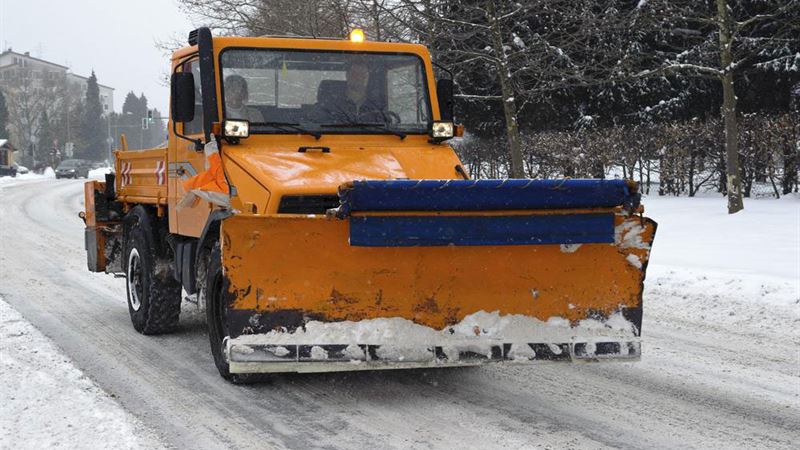
Understanding the importance of valid storage practices begins with recognizing that many common mistakes can compromise your snow plow's durability. For example, storing your equipment in an inappropriate location—such as on bare ground or beneath an unventilated shed—can accelerate corrosion, especially if moisture is present. Exposure to elements like rain, snow, or humidity creates perfect conditions for rust formation, which deteriorates critical components like blades and hydraulic systems.
One of the fundamental steps in snow plow maintenance is thorough cleaning after each use. Removing accumulated dirt, salt, and debris is crucial because residues like road salt are highly corrosive and cause metal to degrade over time. Use high-pressure hoses and specialized cleaning agents designed for heavy machinery to ensure every nook and cranny is free of corrosive substances.
Once cleaned, proper storage involves several key practices:
- In addition to cleaning, applying a protective coating such as rust inhibitors or paint sealants can shield the surface from moisture penetration.
- Storing your snow plow in a dry, covered environment—such as a climate-controlled shed or garage—helps prevent exposure to weather elements that expedite rusting.
- When outdoor storage is unavoidable, use waterproof tarps or covers that allow for adequate ventilation, preventing condensation buildup underneath the covering.
Furthermore, maintenance procedures should be followed before long-term storage:
- Greasing all moving parts and chrome components is vital. Focus on critical areas such as the angle cylinders and lift cylinders. Proper lubrication minimizes friction and prevents corrosion of contact points.
- To effectively grease the hydraulic components, extend and retract cylinders several times after applying lubricant—this helps distribute the grease evenly and ensures smooth operation upon return to service.
- Before storing your snow plow, check and replace the hydraulic fluid if necessary. Old fluid can absorb moisture over time, which may lead to internal rust and damage. Draining the existing fluid and refilling with fresh, manufacturer-recommended hydraulic oil ensures the system remains protected during inactivity.
It's equally important to consider the mechanical tension of parts such as trip return springs. These springs should maintain a slight tension—if they are too loose, they can lose their responsiveness, and if too tight, they stress the components unnecessarily. A simple test involves passing a business card through the coils; if it fits snugly, tension is correctly maintained. Proper spring tension ensures that your snow plow will work effectively when needed and prolongs the life of its mechanical parts.
Implementing these best practices will help your snow plow retain its original performance, appearance, and structural integrity over the years. Investing time in proper storage reduces the risk of costly repairs, improves reliability during winter storms, and extends the overall lifespan of your equipment. Whether you own a personal snow removal system or manage commercial snow clearing operations, these tips are essential for maintaining your investment and ensuring readiness for every winter season.