
Effective Home Strategies for Managing Plaque Psoriasis Symptoms
Discover comprehensive home remedies and lifestyle tips to effectively manage plaque psoriasis symptoms. This article covers natural treatments, dietary advice, and practical strategies to soothe inflamed skin, reduce flare-ups, and improve overall skin health through safe, at-home interventions supported by medical guidance. Enhance your comfort and skin condition today.
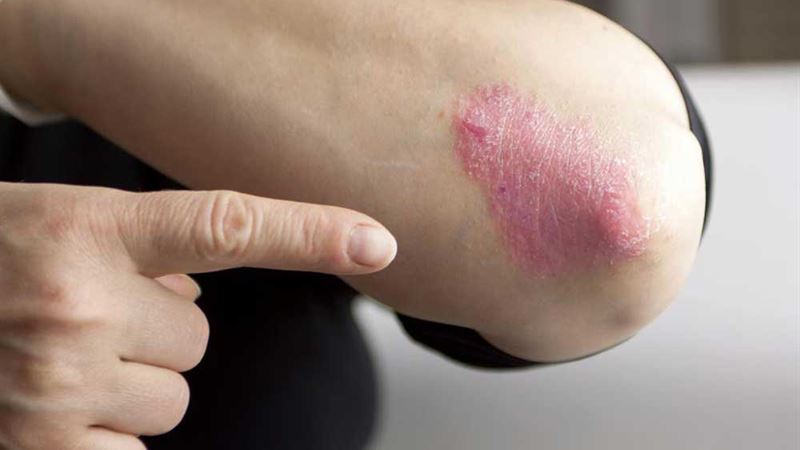
Living with plaque psoriasis can be challenging due to its persistent symptoms such as dry, itchy, and inflamed skin. While medical treatments are essential for severe cases, several effective home remedies and lifestyle adjustments can significantly alleviate symptoms, improve skin health, and enhance quality of life. This comprehensive guide explores natural remedies, dietary tips, and practical interventions to help manage plaque psoriasis symptoms effectively at home. From soothing baths and herbal applications to light therapy and dietary modifications, discover a holistic approach to controlling this chronic autoimmune skin disorder.
**Understanding Plaque Psoriasis**
Plaque psoriasis is a common autoimmune condition characterized by the rapid buildup of skin cells that form thick, scaly patches on the skin's surface. These patches, known as plaques, are often itchy, inflamed, and prone to cracking or bleeding. The exact cause remains unknown, but genetic and environmental factors play a significant role. Triggers such as stress, infections, medications, smoking, alcohol consumption, and dietary habits can exacerbate symptoms.
Managing plaque psoriasis requires a multifaceted approach that combines medical treatments with supportive home remedies. While topical medications prescribed by dermatologists are vital in controlling flare-ups, various natural interventions can complement these treatments and provide relief in mild to moderate cases.
Plaque psoriasis is a common autoimmune condition characterized by the rapid buildup of skin cells that form thick, scaly patches on the skin's surface. These patches, known as plaques, are often itchy, inflamed, and prone to cracking or bleeding. The exact cause remains unknown, but genetic and environmental factors play a significant role. Triggers such as stress, infections, medications, smoking, alcohol consumption, and dietary habits can exacerbate symptoms.
Managing plaque psoriasis requires a multifaceted approach that combines medical treatments with supportive home remedies. While topical medications prescribed by dermatologists are vital in controlling flare-ups, various natural interventions can complement these treatments and provide relief in mild to moderate cases.
**1. Natural Anti-Inflammatory and Moisturizing Remedies**
Inflammation and skin dryness are hallmark symptoms of plaque psoriasis. Therefore, reducing inflammation and maintaining skin hydration are crucial steps in symptom management.
**2. Apple Cider Vinegar for Symptom Relief**
Apple cider vinegar (ACV) has gained popularity as a versatile natural remedy due to its anti-inflammatory and antimicrobial properties. It can help alleviate itching and soothe inflamed skin when used carefully.
**3. Light Therapy: Natural Sunlight and Ultraviolet Exposure**
Exposure to sunlight can be beneficial for psoriasis patients, as UV rays slow down skin cell growth and reduce inflammation.
**4. Warm Epsom Salt Baths**
Taking regular warm baths with Epsom salts can soothe inflamed, itchy, and scaly skin patches.
Inflammation and skin dryness are hallmark symptoms of plaque psoriasis. Therefore, reducing inflammation and maintaining skin hydration are crucial steps in symptom management.
- Petroleum Jelly and Barrier Creams: Applying petroleum jelly or other barrier creams can form a protective layer over the skin, preventing moisture loss and reducing irritation. These products offer temporary relief and should be used regularly to keep the skin moist and pliable.
**2. Apple Cider Vinegar for Symptom Relief**
Apple cider vinegar (ACV) has gained popularity as a versatile natural remedy due to its anti-inflammatory and antimicrobial properties. It can help alleviate itching and soothe inflamed skin when used carefully.
- Topical Application: Dilute ACV with water in a 1:1 ratio and apply it gently to affected areas using cotton balls. Avoid open wounds or cracked skin to prevent burning or irritation.
- Precautions: Always perform a patch test before widespread use, and discontinue if irritation occurs. Using organic, unfiltered ACV ensures maximum benefit.
**3. Light Therapy: Natural Sunlight and Ultraviolet Exposure**
Exposure to sunlight can be beneficial for psoriasis patients, as UV rays slow down skin cell growth and reduce inflammation.
- Sunlight Exposure: Aim for moderate sun exposure—around 10-15 minutes daily—preferably during morning or late afternoon hours to avoid sunburn.
- Phototherapy: For more consistent results, supervised phototherapy sessions with controlled UV light can be effective. Always consult a dermatologist before initiating any form of light therapy, as excessive exposure increases skin cancer risk.
**4. Warm Epsom Salt Baths**
Taking regular warm baths with Epsom salts can soothe inflamed, itchy, and scaly skin patches.
- Preparation: Fill the bathtub with lukewarm water, add Epsom salts (about 1-2 cups), and soak for no longer than 15 minutes.
- Benefits: This routine helps hydrate the skin, promote exfoliation, and relieve itching.
- Post-Bath Care: Gently pat the skin dry and apply a fragrance-free, soothing moisturizer to lock in hydration.
**5. Herbal Remedies for Natural Relief**
Herbal agents like turmeric possess anti-inflammatory properties that can help soothe psoriasis symptoms and reduce flare-ups.
**6. Managing Indoor Environment with Humidifiers**
Dry air can worsen psoriasis symptoms by dehydrating the skin further.
**7. Nutritional Strategies for Supportive Skin Health**
The link between diet and skin health is well-established. Nutrient deficiencies can trigger immune responses that worsen psoriasis symptoms.
**8. Lifestyle and Behavioral Adjustments**
Beyond topical and dietary interventions, adopting a healthy lifestyle can play a significant role in managing psoriasis.
While plaque psoriasis can pose daily challenges, a combination of home remedies, lifestyle modifications, and medical guidance can dramatically improve symptoms and overall skin health. Regular skin care routines, balanced nutrition, safe sunlight exposure, and stress management are key components of an effective management plan. Always consult with healthcare professionals or dermatologists before trying new remedies to ensure they are appropriate for your specific condition. Through consistency and patience, individuals can lead healthier, more comfortable lives despite living with psoriasis.
Herbal agents like turmeric possess anti-inflammatory properties that can help soothe psoriasis symptoms and reduce flare-ups.
- Turmeric: Incorporate turmeric into your diet or use it topically as a paste. The anti-inflammatory compounds in turmeric can help decrease skin inflammation and redness. The FDA recommends limiting turmeric intake to 3 grams daily to avoid adverse effects.
**6. Managing Indoor Environment with Humidifiers**
Dry air can worsen psoriasis symptoms by dehydrating the skin further.
- Humidifier Usage: Installing a humidifier at home adds moisture to the air, preventing skin from drying out. Keep humidity levels around 40-60% for optimal skin health.
- Additional Hydration: Couple humidifier use with regular topical moisturizers to maintain balanced skin hydration and reduce flares.
**7. Nutritional Strategies for Supportive Skin Health**
The link between diet and skin health is well-established. Nutrient deficiencies can trigger immune responses that worsen psoriasis symptoms.
- Reduce Processed Foods and Red Meats: Limit intake of processed foods, red meats, and foods high in saturated fats, which promote inflammation.
- Opt for Omega-3-Rich Foods: Incorporate fatty fish like salmon, mackerel, and sardines, which are abundant in omega-3 fatty acids known to reduce inflammation and improve skin condition.
- Healthy Fats and Oils: Use olive oil as a topical moisturizer and for cooking; its anti-inflammatory properties support skin healing and hydration.
**8. Lifestyle and Behavioral Adjustments**
Beyond topical and dietary interventions, adopting a healthy lifestyle can play a significant role in managing psoriasis.
- Stress Management: Incorporate stress-relieving activities such as yoga, meditation, and deep breathing to prevent flare-ups triggered by psychological stress.
- Adequate Sleep: Prioritize sleep hygiene to support immune function and skin regeneration.
- Avoid Smoking and Excessive Alcohol: Both habits can worsen inflammation and hinder skin healing processes.
While plaque psoriasis can pose daily challenges, a combination of home remedies, lifestyle modifications, and medical guidance can dramatically improve symptoms and overall skin health. Regular skin care routines, balanced nutrition, safe sunlight exposure, and stress management are key components of an effective management plan. Always consult with healthcare professionals or dermatologists before trying new remedies to ensure they are appropriate for your specific condition. Through consistency and patience, individuals can lead healthier, more comfortable lives despite living with psoriasis.