
Ultimate Guide to Choosing the Best Home Blood Pressure Monitoring Devices
Discover the top features and models of home blood pressure monitors in this comprehensive guide. Learn about cuff sizes, accuracy, ease of use, and tips for effective self-monitoring. Whether you're seeking affordability or advanced features, find the perfect device to keep your blood pressure in check and maintain good cardiovascular health. This detailed review helps you choose the most reliable, user-friendly monitor suited to your needs, ensuring accurate readings and peace of mind for your health journey.
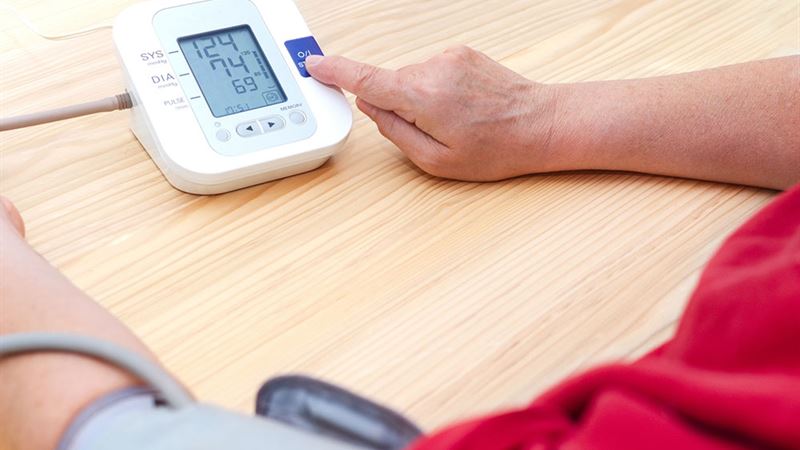
- User-Friendly Operation Most modern blood pressure monitors are designed with ease of use in mind, but some models feature unnecessarily complex interfaces, excessive buttons, and complicated cuff systems. This can make quick and accurate readings difficult, especially for seniors or those unfamiliar with technology. To avoid frustration, it's advisable to try out a few different systems to find one that offers a straightforward, intuitive user experience. An easy-to-navigate device not only saves time but also encourages consistent use, which is critical for effective health monitoring.
- Proper Cuff Fit and Size An essential aspect of accurate blood pressure measurement is selecting the right cuff size. Home monitors typically come with arm or wrist cuffs available in various sizes. Ill-fitting cuffs can lead to inaccurate readings, which may cause misdiagnosis or missed health alerts. It's crucial to ensure the cuff snugly fits the arm or wrist without being too tight or loose. Consulting a healthcare professional before purchasing can help determine the correct cuff size, ensuring the device provides reliable results. Avoid one-size-fits-all cuffs, as they are often ill-fitting for many users. Properly fitted cuffs enhance measurement accuracy significantly.
- Measurement Accuracy and Reliability Accuracy is the cornerstone of any effective blood pressure monitor. When choosing a device, look for models that have been validated through clinical testing or recommended by health authorities. To verify accuracy, you can compare multiple readings taken in quick succession. Consistent measurements with minimal deviations indicate good reliability. Remember, an inaccurate monitor can lead to inappropriate health decisions, so investing in a reputable, validated device is critical. Regular calibration, if recommended by the manufacturer, also helps maintain measurement accuracy over time.
- Simplicity Versus High-End Features While many premium monitors come equipped with advanced features like Bluetooth connectivity, mobile app integration, customizable backlighting, and cloud data storage, these additions can drive up the price and may go underutilized by average users. For most individuals who primarily need regular blood pressure tracking, a simple, reliable device suffices. Focus on models that prioritize core functionalities such as accuracy, ease of use, and portability. Choosing a straightforward device often results in better adherence to monitoring routines without the distraction of unnecessary features. Budget-friendly options with solid performance can be equally effective as high-priced, feature-rich monitors.
Leading Types of Home Blood Pressure Monitors
There are several common categories of home blood pressure monitors, each suited to different user needs: arm cuff monitors, wrist monitors, and 24-hour ambulatory monitors. The most traditional and widely recommended are arm cuff models, which tend to provide the most consistent and accurate readings. Wrist monitors are more compact and portable, making them ideal for travel or easy storage, but they require proper placement at heart level for accurate results. Continuous or 24-hour blood pressure monitors are often used for detailed health analysis under medical supervision, but they are less common for everyday home use. Understanding the advantages and limitations of each type helps users select the most appropriate device for their lifestyle and health needs.
Here are some top-rated models that exemplify these categories:
52 Meter Blood Pressure MonitorThis device scores high in accuracy, usability, and durability. Equipped with high-quality sensors, it provides quick and precise measurements. Notable features include an irregular heartbeat alert and an ergonomic arm strap that snugly fits around your upper arm for optimal readings. The interface is user-friendly with a large LCD screen, making it accessible for seniors or users with visual impairments. No complex setup is required, and it operates cordless, making it convenient for daily use. Priced at approximately $119 CAD, it offers excellent value for individuals seeking reliability and simplicity. Omron Gold Blood Pressure Monitor
Known for its clinical precision and ease of use, the Omron Gold model features an extra-large display suited for seniors. Its adjustable cuff ensures a comfortable fit for varying arm sizes. Setup involves inserting four AA batteries and attaching the cuff, with readings available in about 30 seconds. The device's accuracy in measuring blood pressure and heart rate is consistently praised. Its sleek design and reliable performance make it a top pick for home monitoring. Retailing at roughly $150 CAD, it combines affordability with professional-grade quality. HealthSmart Wrist Blood Pressure Monitor
This device is an excellent choice for those who prefer wrist-based measurements. It includes advanced features like irregular heartbeat detection and a high-contrast LCD screen, making it ideal for users with limited mobility or those who need a portable solution. The talking feature is especially helpful for visually impaired users. It is compact, easy to operate, and costs around $95 CAD. Although some healthcare providers prefer arm cuffs for accuracy, wrist monitors like this provide reliable results when used correctly. Welch Allyn Home Blood Pressure Monitor
Offering quick, precise measurements in less than 30 seconds, this monitor emphasizes user convenience with a single-button operation. It also features a smartphone app that allows users to record, track, and analyze their health data digitally over time. Its affordability, at approximately $90 CAD, combined with robust performance, makes it a popular choice among home users seeking simplicity without sacrificing reliability.
Effective Self-Monitoring Tips
Using a blood pressure monitor accurately requires more than just pressing a button. Proper technique ensures the reliability of your readings, which is vital for managing health effectively. Here are essential tips for self-monitoring:
- Ensure your bladder is empty before taking measurements, as a full bladder can influence blood pressure readings.
- Maintain a consistent environment by measuring in a room with moderate temperature to avoid fluctuations caused by extreme heat or cold.
- Avoid eating, drinking caffeine, or smoking at least 30 minutes prior to measurement for more accurate results.
- Refrain from talking or engaging in any activity during measurement to prevent false readings.
- Take multiple readings at the same time each day to track trends accurately.
- Keep a log of your readings or use digital tracking apps recommended by your monitor.
Adhering to these guidelines can improve the accuracy of your blood pressure management and help your healthcare provider make better-informed decisions about your health. Regular monitoring and correct techniques are essential components of effective hypertension control and overall cardiovascular health.