
Essential High-Protein Foods to Incorporate into Your Daily Diet
Discover a comprehensive list of high-protein foods suitable for vegans, vegetarians, and meat-eaters. Learn how to naturally boost your protein intake with nutritious options like nuts, grains, vegetables, dairy, and seafood. This guide highlights the importance of choosing the right foods for muscle building, weight management, and overall health, providing detailed information on protein content and dietary benefits. Incorporate these high-protein foods into your daily meals for enhanced wellness and nutritional balance, whether you're vegan, vegetarian, or meat-loving.
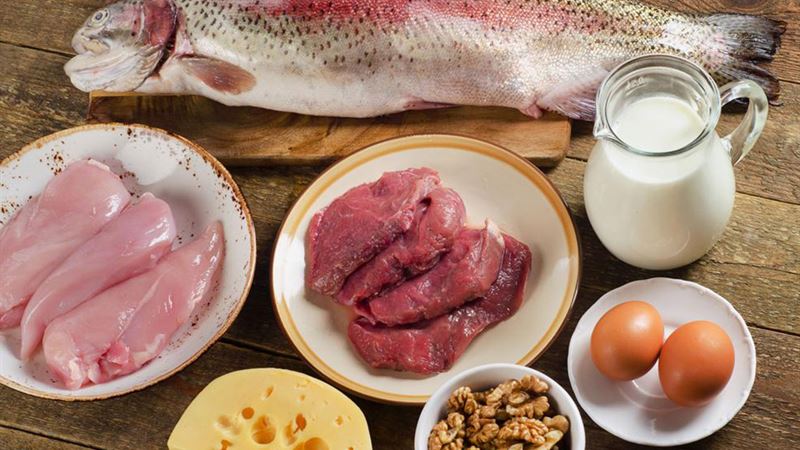
Achieving optimal health, muscle growth, and overall well-being often hinges on adequate protein intake. While many turn to supplements like whey protein powders and shakes, there is a vast array of natural foods rich in high-quality proteins that can be seamlessly integrated into your diet. Whether you're vegan, vegetarian, or a non-vegetarian, understanding which foods provide the highest protein content can help you meet your nutritional goals effectively.
Understanding the significance of protein in your diet is crucial. Proteins are the building blocks of life, essential for repairing tissues, supporting immune function, and maintaining muscle mass. The type and quantity of protein you consume can influence your energy levels, metabolic rate, and overall health. Therefore, choosing the right high-protein foods is vital for a balanced and health-conscious diet.
In this comprehensive guide, we will explore a wide range of high-protein foods suitable for various dietary preferences. From plant-based sources like nuts, grains, and vegetables to animal-based options including lean meats, seafood, and dairy, discover the best foods to fuel your body and support your health goals.
### High-Protein Foods for Vegans
1. Almonds
Almonds are one of the most nutritious tree nuts, boasting an impressive protein profile along with heart-healthy fats, vitamins, and minerals. They are incredibly versatile and can be consumed raw, roasted, or as almond milk, which is a popular dairy alternative. Incorporating almonds into your diet can help boost your protein intake naturally.
Protein content: 28 grams of almonds contain approximately 6 grams of protein.
2. Oats
Oats are a staple grain, celebrated for their rich fiber content and micronutrients. They are perfect for a wholesome breakfast and can be prepared in various ways, including porridge or overnight oats. Oats offer a substantial amount of plant-based protein essential for vegetarians and vegans.
Protein content: 100 grams of oats provide about 17 grams of protein.
3. Broccoli
Often underestimated, broccoli is a vegetable packed with protein relative to its calorie content. It provides a high amount of nutrients, vitamins, and antioxidants, making it a superfood for health-conscious individuals.
Protein content: 100 grams of broccoli contains around 2.8 grams of protein.
4. Quinoa
Quinoa has gained popularity worldwide due to its exceptional nutritional profile. It is a complete protein, meaning it contains all nine essential amino acids that the body cannot produce on its own. Rich in fiber, minerals, and antioxidants, quinoa is a versatile ingredient perfect for salads, bowls, or as a rice substitute.
Protein content: 100 grams of cooked quinoa provides approximately 4.4 grams of protein.
5. Lentils
Lentils are a powerhouse of plant-based protein, ideal for vegans and vegetarians. They are also rich in dietary fiber, iron, and other essential nutrients. Lentils can be added to soups, stews, salads, and curries to enhance protein content.
Protein content: 100 grams of cooked lentils contain about 9 grams of protein.
6. Pumpkin Seeds
These tiny seeds are loaded with nutrients, including zinc, magnesium, and potassium. Pumpkin seeds are an excellent snack option for boosting protein and mineral intake, especially for vegans and vegetarians.
Protein content: 100 grams of pumpkin seeds provide about 19 grams of protein.
7. Brussels Sprouts
This cruciferous vegetable is rich in fiber, vitamins C and K, and has a notable amount of plant-based protein. It’s especially favored by those seeking to improve their nutrient profile without excess calories.
Protein content: 100 grams of Brussels sprouts contains approximately 3.4 grams of protein.
8. Peanuts
Peanuts are technically legumes and are often consumed as peanut butter, a popular vegan protein source. Alongside protein, peanuts provide healthy fats and essential minerals, but due to their high caloric density, moderation is key.
Protein content: 100 grams of peanuts contain about 26 grams of protein.
9. Tofu
Crafted from soybeans, tofu is a versatile plant-based protein that can replace many animal products in cooking. It’s a complete protein source and packed with nutrients, making it a staple in vegan diets.
Protein content: 100 grams of tofu provides approximately 8 grams of protein.
### High-Protein Options for Vegetarians
1. Cottage Cheese
Known for its high protein-to-calorie ratio, cottage cheese is a favorite among health enthusiasts. It provides essential amino acids and can be incorporated into various dishes.
Protein content: 100 grams of cottage cheese supplies about 11 grams of protein.
2. Greek Yogurt
This thick, creamy yogurt is rich in proteins, calcium, zinc, and B vitamins. Its probiotic properties also promote gut health and digestion.
Protein content: 100 grams of nonfat Greek yogurt contains approximately 10 grams of protein.
3. Milk
A classic source of complete protein and calcium, milk is a dietary staple for many. Those with lactose intolerance can opt for plant-based alternatives fortified with protein, such as soy or pea milk.
Protein content: 100 grams of milk provides about 3.5 grams of protein.
### High-Quality Protein Sources for Non-Vegetarians
1. Eggs
Universally regarded as one of the most nutritious foods, eggs contain all essential amino acids in ideal proportions. Their versatility allows for preparation in numerous ways.
Protein content: One large egg offers roughly 6 grams of protein.
2. Chicken
Especially lean chicken breast, is the go-to for athletes and bodybuilders aiming for muscle growth. It’s a lean source of high-quality protein with minimal fat.
Protein content: 100 grams of chicken breast provides around 31 grams of protein.
3. Tuna Fish
Tuna stands out as a high-protein, nutrient-rich seafood option. It is loaded with omega-3 fatty acids and is a popular choice for a quick healthy meal.
Protein content: 100 grams of tuna meat supplies about 30 grams of protein.
4. Shrimp
Shrimp is a low-calorie, nutrient-dense seafood rich in vitamin B12 and selenium. It’s excellent for those looking to increase protein intake without consuming too many calories.
Protein content: 100 grams of shrimp offers about 24 grams of protein.
### The Benefits of Vegetarian Protein Foods
Vegetarian foods typically contain fewer calories compared to meats because they are lower in fats and carbohydrates. This makes them suitable for weight management and maintaining a caloric deficit. Additionally, plant-based high-protein foods often come packed with fiber, vitamins, and antioxidants that contribute to overall health. By incorporating these foods into your meals, you can effectively support muscle growth, enhance immune health, and improve digestion. Utilizing a diverse range of high-protein options ensures balanced nutrition tailored to your dietary preferences and health goals.
Understanding the significance of protein in your diet is crucial. Proteins are the building blocks of life, essential for repairing tissues, supporting immune function, and maintaining muscle mass. The type and quantity of protein you consume can influence your energy levels, metabolic rate, and overall health. Therefore, choosing the right high-protein foods is vital for a balanced and health-conscious diet.
In this comprehensive guide, we will explore a wide range of high-protein foods suitable for various dietary preferences. From plant-based sources like nuts, grains, and vegetables to animal-based options including lean meats, seafood, and dairy, discover the best foods to fuel your body and support your health goals.
### High-Protein Foods for Vegans
1. Almonds
Almonds are one of the most nutritious tree nuts, boasting an impressive protein profile along with heart-healthy fats, vitamins, and minerals. They are incredibly versatile and can be consumed raw, roasted, or as almond milk, which is a popular dairy alternative. Incorporating almonds into your diet can help boost your protein intake naturally.
Protein content: 28 grams of almonds contain approximately 6 grams of protein.
2. Oats
Oats are a staple grain, celebrated for their rich fiber content and micronutrients. They are perfect for a wholesome breakfast and can be prepared in various ways, including porridge or overnight oats. Oats offer a substantial amount of plant-based protein essential for vegetarians and vegans.
Protein content: 100 grams of oats provide about 17 grams of protein.
3. Broccoli
Often underestimated, broccoli is a vegetable packed with protein relative to its calorie content. It provides a high amount of nutrients, vitamins, and antioxidants, making it a superfood for health-conscious individuals.
Protein content: 100 grams of broccoli contains around 2.8 grams of protein.
4. Quinoa
Quinoa has gained popularity worldwide due to its exceptional nutritional profile. It is a complete protein, meaning it contains all nine essential amino acids that the body cannot produce on its own. Rich in fiber, minerals, and antioxidants, quinoa is a versatile ingredient perfect for salads, bowls, or as a rice substitute.
Protein content: 100 grams of cooked quinoa provides approximately 4.4 grams of protein.
5. Lentils
Lentils are a powerhouse of plant-based protein, ideal for vegans and vegetarians. They are also rich in dietary fiber, iron, and other essential nutrients. Lentils can be added to soups, stews, salads, and curries to enhance protein content.
Protein content: 100 grams of cooked lentils contain about 9 grams of protein.
6. Pumpkin Seeds
These tiny seeds are loaded with nutrients, including zinc, magnesium, and potassium. Pumpkin seeds are an excellent snack option for boosting protein and mineral intake, especially for vegans and vegetarians.
Protein content: 100 grams of pumpkin seeds provide about 19 grams of protein.
7. Brussels Sprouts
This cruciferous vegetable is rich in fiber, vitamins C and K, and has a notable amount of plant-based protein. It’s especially favored by those seeking to improve their nutrient profile without excess calories.
Protein content: 100 grams of Brussels sprouts contains approximately 3.4 grams of protein.
8. Peanuts
Peanuts are technically legumes and are often consumed as peanut butter, a popular vegan protein source. Alongside protein, peanuts provide healthy fats and essential minerals, but due to their high caloric density, moderation is key.
Protein content: 100 grams of peanuts contain about 26 grams of protein.
9. Tofu
Crafted from soybeans, tofu is a versatile plant-based protein that can replace many animal products in cooking. It’s a complete protein source and packed with nutrients, making it a staple in vegan diets.
Protein content: 100 grams of tofu provides approximately 8 grams of protein.
### High-Protein Options for Vegetarians
1. Cottage Cheese
Known for its high protein-to-calorie ratio, cottage cheese is a favorite among health enthusiasts. It provides essential amino acids and can be incorporated into various dishes.
Protein content: 100 grams of cottage cheese supplies about 11 grams of protein.
2. Greek Yogurt
This thick, creamy yogurt is rich in proteins, calcium, zinc, and B vitamins. Its probiotic properties also promote gut health and digestion.
Protein content: 100 grams of nonfat Greek yogurt contains approximately 10 grams of protein.
3. Milk
A classic source of complete protein and calcium, milk is a dietary staple for many. Those with lactose intolerance can opt for plant-based alternatives fortified with protein, such as soy or pea milk.
Protein content: 100 grams of milk provides about 3.5 grams of protein.
### High-Quality Protein Sources for Non-Vegetarians
1. Eggs
Universally regarded as one of the most nutritious foods, eggs contain all essential amino acids in ideal proportions. Their versatility allows for preparation in numerous ways.
Protein content: One large egg offers roughly 6 grams of protein.
2. Chicken
Especially lean chicken breast, is the go-to for athletes and bodybuilders aiming for muscle growth. It’s a lean source of high-quality protein with minimal fat.
Protein content: 100 grams of chicken breast provides around 31 grams of protein.
3. Tuna Fish
Tuna stands out as a high-protein, nutrient-rich seafood option. It is loaded with omega-3 fatty acids and is a popular choice for a quick healthy meal.
Protein content: 100 grams of tuna meat supplies about 30 grams of protein.
4. Shrimp
Shrimp is a low-calorie, nutrient-dense seafood rich in vitamin B12 and selenium. It’s excellent for those looking to increase protein intake without consuming too many calories.
Protein content: 100 grams of shrimp offers about 24 grams of protein.
### The Benefits of Vegetarian Protein Foods
Vegetarian foods typically contain fewer calories compared to meats because they are lower in fats and carbohydrates. This makes them suitable for weight management and maintaining a caloric deficit. Additionally, plant-based high-protein foods often come packed with fiber, vitamins, and antioxidants that contribute to overall health. By incorporating these foods into your meals, you can effectively support muscle growth, enhance immune health, and improve digestion. Utilizing a diverse range of high-protein options ensures balanced nutrition tailored to your dietary preferences and health goals.