
Comprehensive Guide to Selecting the Perfect Water Softener for Your Home
This comprehensive guide helps homeowners select the ideal water softener by understanding water hardness, calculating household needs, and maintaining the system for optimal performance. Learn how to choose the right capacity and keep your water softener functioning efficiently for long-lasting, high-quality water.
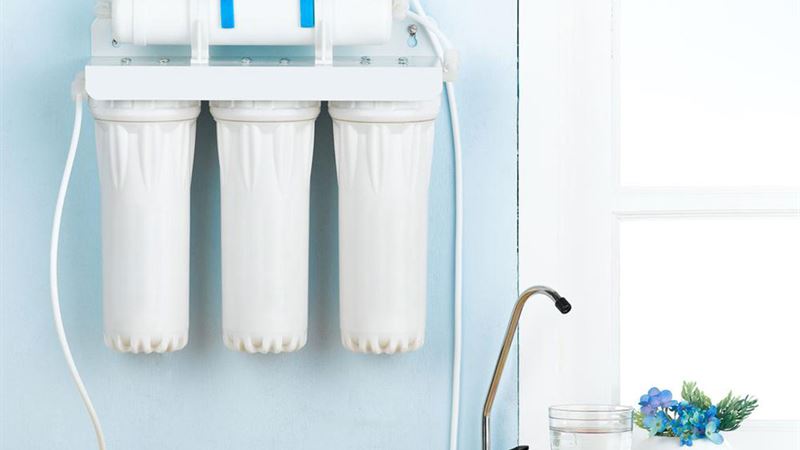
Understanding water hardness is essential when choosing the right water softening system for your household. Water hardness is commonly measured in grains per gallon (GPG), indicating the concentration of dissolved minerals like calcium and magnesium that contribute to water's hardness. The capacity of a water softener is typically rated by its grain capacity, which reflects how much hardness it can remove before needing regeneration. Understanding this measurement helps ensure you select a unit that can handle your household's water usage efficiently. This article provides a detailed step-by-step guide to help you determine the most suitable water softener for your home, considering your family size, water usage, and water hardness levels.
- Assess the number of residents in your home.
- Calculate your household's daily water consumption by multiplying the number of people by the average gallons used per person each day.
- Test your water's hardness using a reliable water testing kit.
- Multiply the hardness level (GPG) by your daily water consumption to determine the total grains of hardness that need to be removed each day.