
Comprehensive Guide to Selecting the Ideal Water Softener Solutions for Your Home
Discover the essential factors to consider when selecting the perfect water softener for your home. From capacity and flow rate to maintenance needs and budget, this comprehensive guide helps you make informed decisions to improve water quality and extend appliance lifespan.
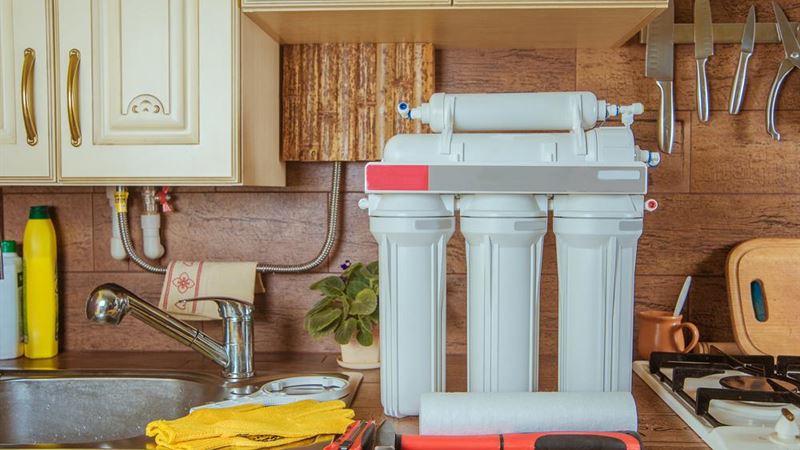
Understanding Water Softener Capacity and Flow Rate
One of the most crucial factors to consider when choosing a water softener system is its flow rate. This specification indicates how efficiently the system can treat water and supply it to your household appliances. Typically measured in gallons per minute (GPM), the flow rate determines the volume of softened water the system can produce within a specific time frame. To ensure your appliances operate smoothly and efficiently, you should select a softener with a flow rate matching or exceeding your household’s total water demand. For accurate assessment, consult your local water authority or water district to understand your household's average water consumption, which will guide you in selecting a system with an appropriate flow capacity.
Assessing Softening Capacity Based on Water Hardness
Another essential feature is the softening capacity, usually expressed in grains per gallon (GPG). This measurement reflects the amount of hardness minerals—mainly calcium and magnesium—that a system can effectively remove before regeneration is necessary. Knowing your home's water hardness level is vital. You can perform a simple test with a water testing kit available at hardware stores or online. These kits help you determine whether your water is soft or hard; values exceeding 7 grains per gallon indicate hard water, which demands a more robust softening system.
If you’re unsure about your water’s hardness, most manufacturers offer free water testing evaluations. Conducting such tests ensures that you select a system capable of handling your water’s specific needs. Typically, water with a hardness of 1 to 3 GPG is considered soft, while anything above can necessitate a salt-based softener, especially if the hardness levels are high. Salt-based systems tend to be more effective for very hard water, although there are saltless options available for moderately hard or slightly hard water situations.
Maintenance and Operational Considerations
Regular maintenance is key to keeping your water softer system operating efficiently and prolonging its lifespan. Depending on the type of softener you choose, maintenance requirements differ. Salt-based systems require replenishing salt periodically, with a typical salt refill needed every few weeks depending on usage. Additionally, these systems consume electricity during regeneration cycles. You also need to manually remove salt deposits, clean the brine tank, and check system components periodically.
Non-salt systems, on the other hand, generally require filter replacements and cleaning, which involve different maintenance routines. Regular filter changes are necessary to prevent clogging and maintain water quality. Costs associated with maintenance should be factored into your overall budget, alongside initial installation expenses.
Budget is a major consideration in selecting the right water softener. While some advanced systems may have higher upfront costs, they could offer better efficiency and lower maintenance expenses in the long run. If you’re a traveler or live in a mobile unit, portable water softeners are also available, making them ideal for recreational vehicles or temporary setups. Other alternative solutions, such as magnetic or electronic water conditioners, are also worth exploring, especially if you prefer chemical-free options.
In conclusion, choosing the right water softening system involves assessing your household’s water usage, understanding your water’s hardness level, evaluating maintenance needs, and aligning choices with your budget. Properly selected, a water softener can save your appliances from mineral build-up, improve soap efficiency, and enhance your overall water quality. It’s always advisable to research different systems, read customer reviews, and consult with water treatment professionals to find the best solution tailored to your needs. With the right softening system, you can enjoy crisp, clean water in your home while extending the lifespan of your plumbing and appliances.