
Comprehensive Guide to Purchasing a Water Softener: Essential Tips and Insights
This comprehensive guide explores key factors to consider before buying a water softener, including capacity, water hardness assessment, regeneration methods, environmental impact, and compatibility with hot water systems. It offers practical tips for selecting the right system, understanding the regeneration process, and maintaining optimal performance, ensuring you enjoy soft, quality water while protecting your household appliances and environment.
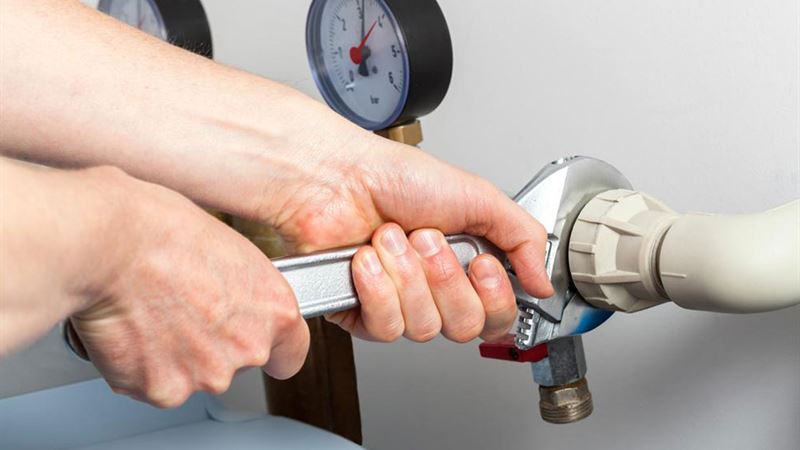
Understanding the Capacity of a Water Softener
The capacity of a water softener is a crucial specification that indicates the maximum amount of hardness minerals, measured in grains, that the unit can remove before requiring regeneration. This information helps buyers choose a system that matches their household water usage and hardness levels, ensuring consistent water quality and system longevity.
Assessing Water Hardness Levels
Water hardness is primarily measured in grains per gallon (gpg), milligrams per liter (mg/L), or parts per million (ppm). Typically, one grain of hardness corresponds to approximately 17.1 mg/L or ppm, signifying the amount of dissolved calcium and magnesium ions in water. Municipal water suppliers often provide water quality reports detailing these values, or homeowners can perform DIY tests using water test kits available on the market. Accurate measurement of water hardness is essential for selecting the right capacity softener and ensuring efficient operation.
The Regeneration Process: What You Need to Know
Over time, the resin beads in a water softener become coated with mineral deposits, diminishing their ability to remove hardness. To restore their effectiveness, the system undergoes a regeneration cycle. During regeneration, a salt brine solution — usually sodium chloride or potassium chloride — is flushed through the resin bed, displacing accumulated minerals and flushing them out of the system. This process resets the resin's capacity to soften water, providing continuous supply of soft water for household needs.
Understanding Regeneration Types
There are various regeneration methods, including time-initiated, demand-initiated, and manual regeneration. Time-clock systems regenerate at preset intervals, regardless of resin exhaustion. Demand-initiated systems regenerate only when necessary, based on actual water usage, leading to increased efficiency and salt savings. Selecting the appropriate regeneration type depends on household water consumption patterns and budget considerations.
Is the Brine Water from Regeneration Harmful?
Many concerns surround the environmental impact of the brine discharged during regeneration. Rest assured, the brine contains dissolved calcium, magnesium, and sodium, but in low concentrations that are generally not harmful to septic systems or soil health. Modern water softeners are designed to utilize minimal salt, and the amount of water used in regeneration is relatively small. Additionally, the pollutants in brine are typically within safe limits, especially if proper disposal methods are followed.
Environmental Considerations
It's important to understand local regulations regarding brine disposal, particularly in areas with sensitive ecosystems. Homeowners should consult local authorities or waste management services to ensure environmentally friendly disposal. As an alternative, potassium chloride can be used as a softer, more eco-friendly salt substitute, although it may be more costly.
The Importance of Compatibility with Hot Water Systems
Water softeners are suitable for softening both cold and hot water. Softening hot water is especially beneficial in preventing mineral buildup in appliances like water heaters, dishwashers, and washing machines. Soft water extends the lifespan of household appliances and reduces energy costs associated with mineral deposits on heating elements.
Sodium Intake Considerations
Individuals on low-sodium diets should exercise caution, as softened water contains sodium ions. Cold tap water, which is often cooler and less contaminated, may provide a better option for consumption. If necessary, use potassium chloride instead of sodium-based salt during regeneration to minimize dietary sodium intake. Always consult with a healthcare professional if dietary sodium restrictions are a concern.
Maintenance and Best Practices
Regular maintenance, including timely regeneration and routine system checks, ensures optimal performance of your water softener. Using high-quality salt, such as nugget-style or crystal salt, can improve regeneration efficiency. Keep an eye on salt levels and resin condition, replacing or regenerating components as recommended by the manufacturer. Proper installation and periodic professional inspections can prevent issues and prolong the lifespan of your system.